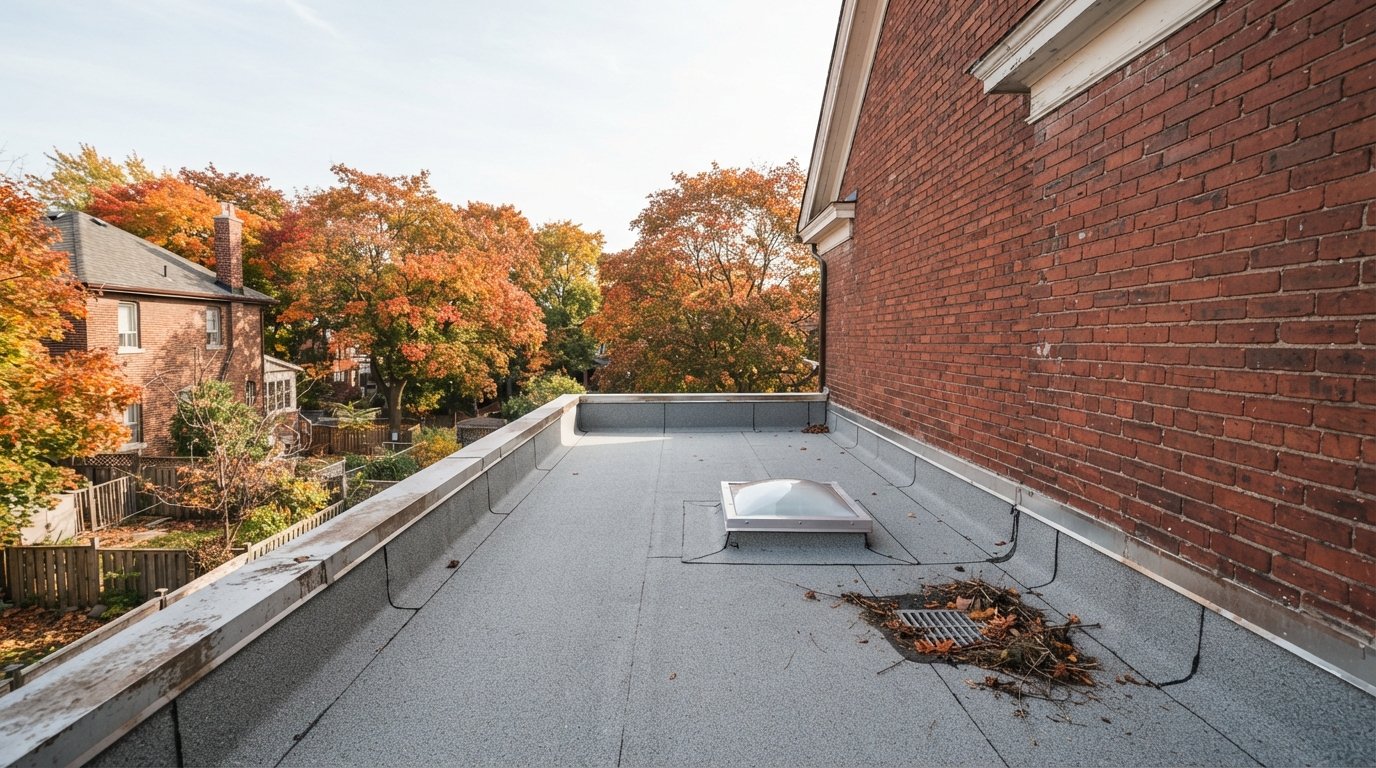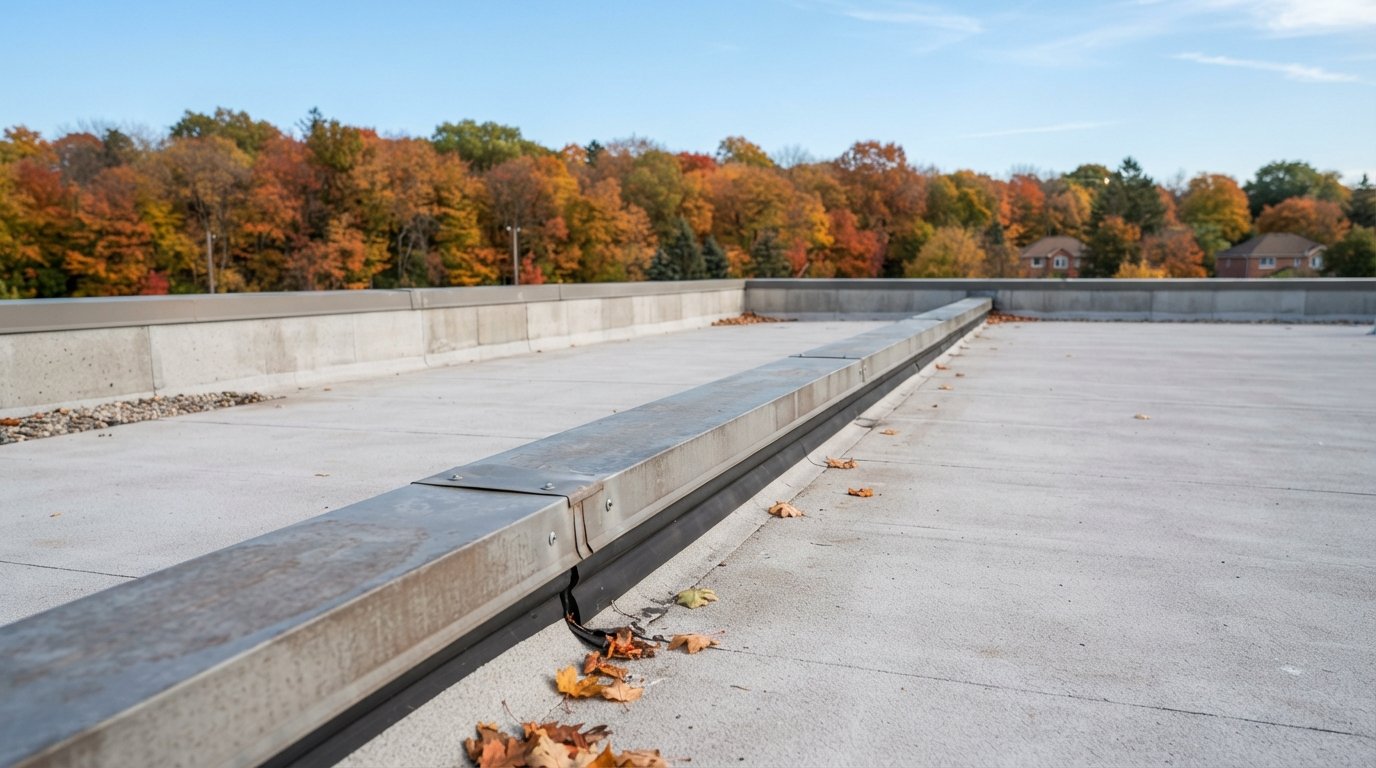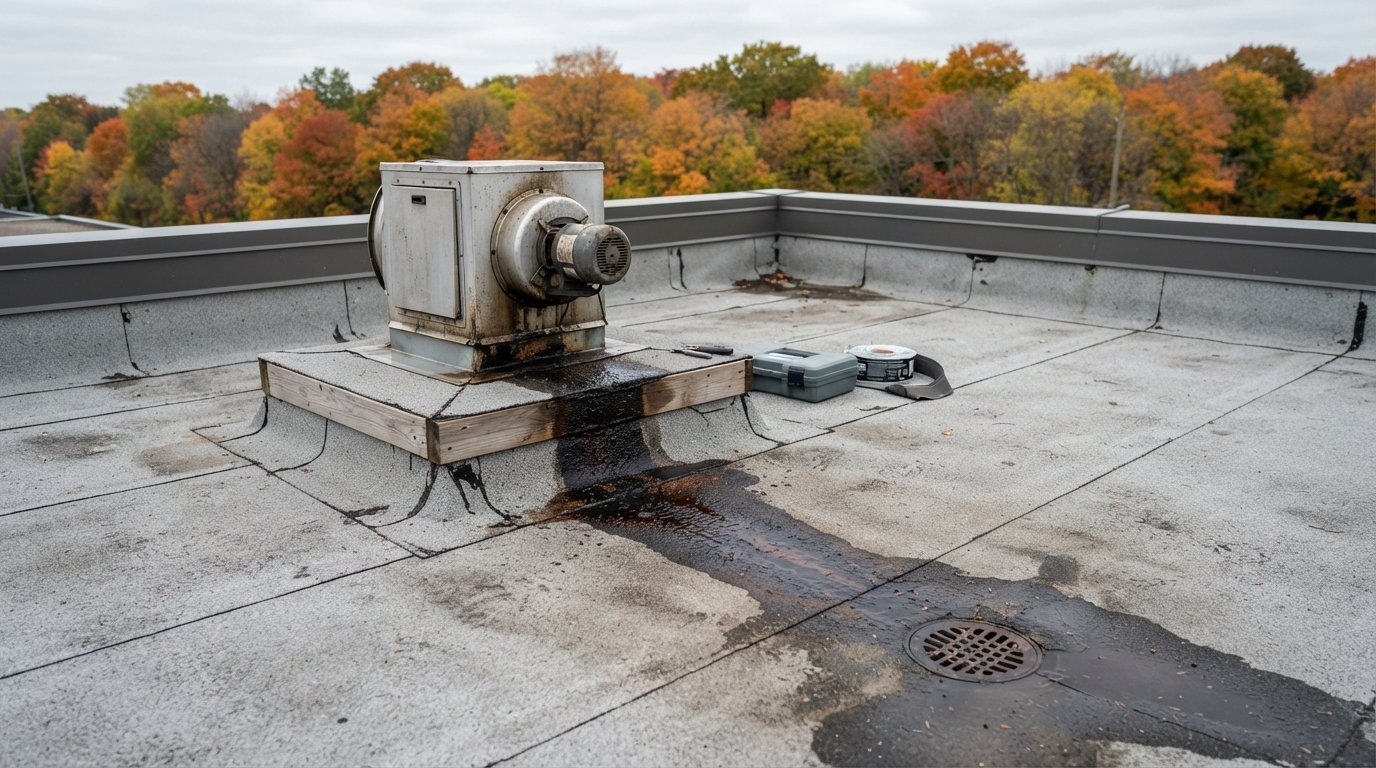

Choosing a new flat roof covering for a Toronto home or commercial building almost always comes down to one dominant category: the single ply membrane roof. These large, factory-made sheets have replaced older built-up gravel-and-tar systems on the majority of low-slope roofs across the Greater Toronto Area because they install faster, weigh less, and resist the punishing UV and temperature swings that define a Toronto summer. But “single ply” is not one product. It is a family of three very different materials, and picking the wrong one can cost you a decade of roof life. In this guide we break down TPO, EPDM, and PVC so you can decide which single ply membrane roof genuinely suits your property, your budget, and your building’s use.
At Flat Roofs Toronto, we install and service all three membrane types every week, on everything from downtown Victorian additions to warehouse roofs in Mississauga. The comparison below reflects real GTA field experience, not a manufacturer brochure. By the end you will know the strengths, weaknesses, realistic pricing, and lifespan of each option, and you will understand why the seams, the flashing, and the installer matter far more than the brand name printed on the roll.
What Is a Single Ply Membrane Roof?
A single ply membrane roof is a low-slope roofing system built from a single layer of flexible synthetic sheet material, mechanically fastened, fully adhered, or ballasted to the roof deck. The membrane is manufactured in wide rolls, delivered to the site, rolled out over insulation, and joined at the seams to form one continuous waterproof surface. Because the waterproofing is a single engineered layer rather than the multiple mopped-on plies of a traditional built-up roof, the system is lighter, cleaner to install, and far quicker to complete.
The three materials that dominate the single ply membrane roof market are TPO (thermoplastic polyolefin), EPDM (ethylene propylene diene monomer, a synthetic rubber), and PVC (polyvinyl chloride). TPO and PVC are thermoplastics, meaning their seams are welded together with hot air into a bond as strong as the sheet itself. EPDM is a cured rubber whose seams are joined with adhesive tape or bonding cement. That single distinction, welded versus taped seams, drives much of the performance difference you will read about below, because seams are where flat roofs almost always fail first.
TPO vs EPDM vs PVC: The Core Comparison
Each membrane has a distinct personality. TPO is the popular middle child: reflective, weldable, and reasonably priced, which is why it now claims the largest share of new commercial flat roofs in North America. EPDM is the veteran, a black rubber sheet with a decades-long track record and unbeatable flexibility, but with adhered rather than welded seams. PVC is the premium performer, chemically resistant and heat-welded, favoured for restaurants, hospitals, and any roof exposed to grease, oils, or industrial fumes.
The table below summarizes how the three membranes stack up on the factors that matter most for a Toronto single ply membrane roof. Note that “reflectivity” carries real weight here: a white reflective surface keeps the roof deck and the top floor cooler through July and August, trimming air-conditioning costs and slowing the thermal aging of the membrane itself.
| Feature | TPO | EPDM | PVC |
|---|---|---|---|
| Material type | Thermoplastic | Synthetic rubber | Thermoplastic |
| Seam method | Hot-air welded | Adhesive tape | Hot-air welded |
| Standard colour | White (reflective) | Black (absorptive) | White (reflective) |
| Chemical resistance | Good | Fair | Excellent |
| Relative cost | Moderate | Lowest | Highest |
| Typical lifespan | 20-25 years | 20-30 years | 25-30 years |
For most GTA residential and small-commercial buildings, TPO offers the best balance of reflectivity, welded-seam reliability, and price. EPDM remains an excellent value choice where a black roof is acceptable and budget is tight, and it flexes beautifully around complex details. PVC earns its premium on roofs that face grease exhaust, chemical exposure, or rooftop patios, where its welded seams and chemical resistance justify the extra spend.
How a Single Ply Membrane Roof Is Installed
The quality of a single ply membrane roof depends far more on installation than on the roll it came from. A perfect membrane over a poorly prepared deck, or with cold-welded seams, will leak within a few seasons. Our crews follow a disciplined sequence on every job, whether it is a residential flat roof or a large commercial deck.
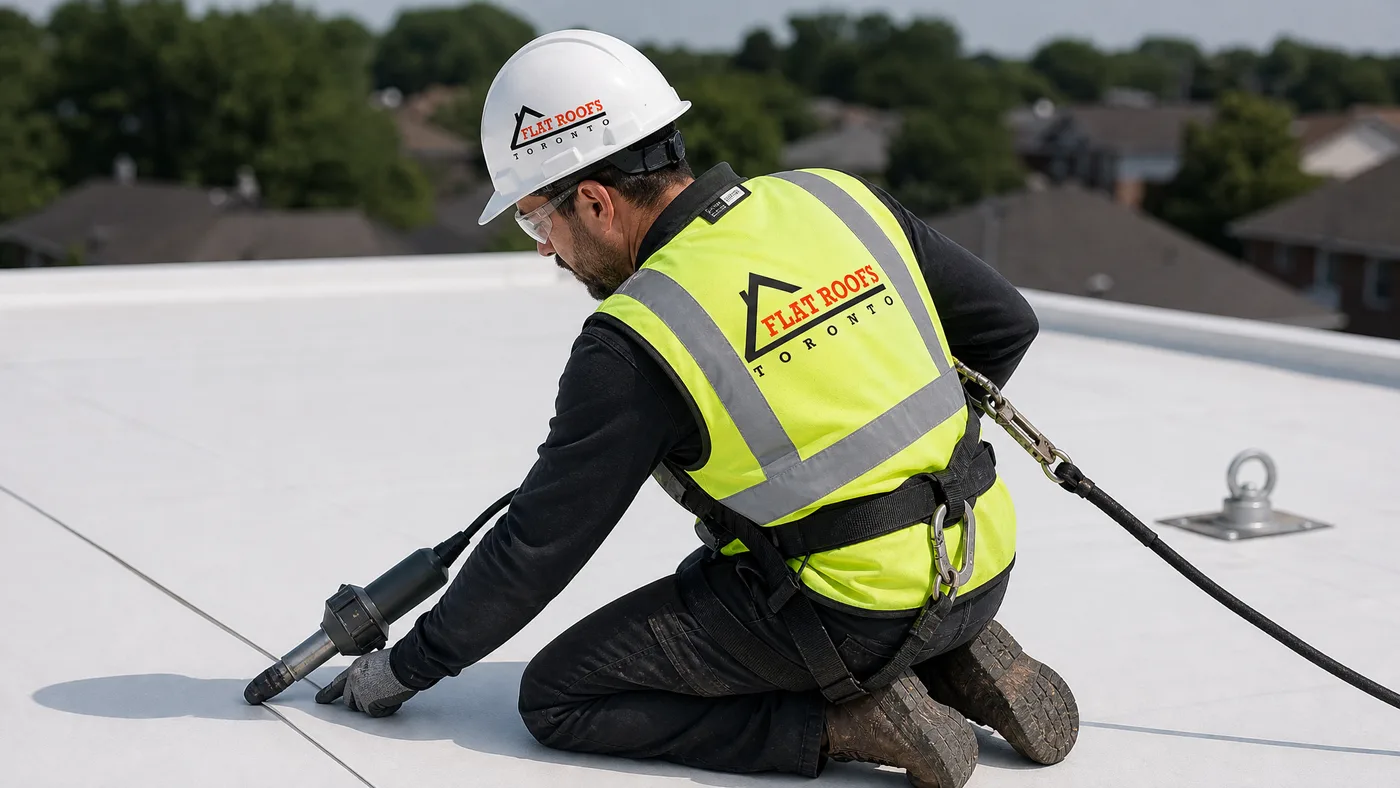
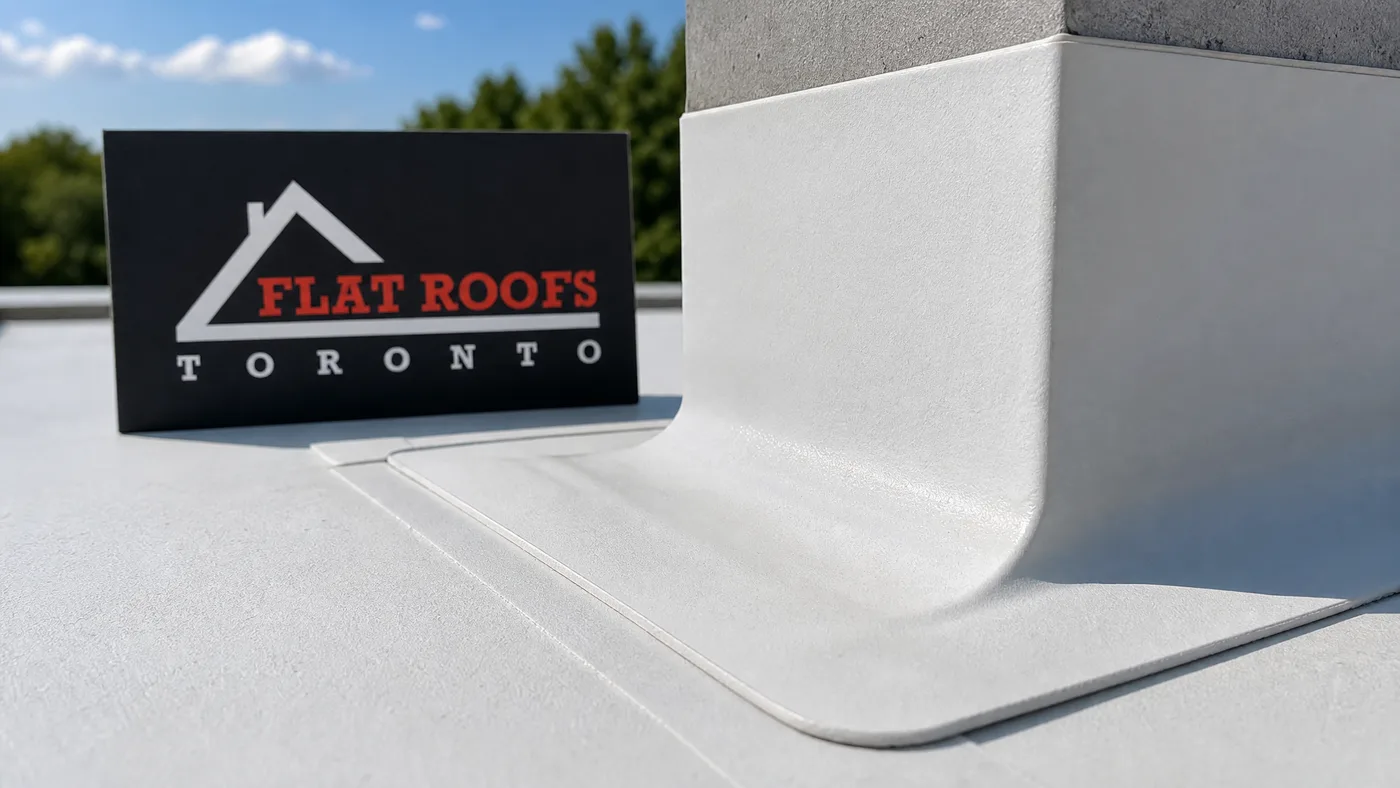
First we tear off the failing roof down to a sound deck and inspect for rot, soft spots, or moisture-laden insulation. Next we install or upgrade the insulation and a cover board, which gives the membrane a smooth, rigid substrate and improves the building’s thermal envelope. The membrane is then rolled out and attached by one of three methods: mechanically fastened with plates and screws along the seams, fully adhered with bonding adhesive, or held down by ballast. For thermoplastic membranes, the overlapping seams are fused with a hot-air welder and then physically probed to confirm a continuous bond. Finally, every penetration, drain, curb, and parapet is detailed with pre-formed corners and flashing, because these transitions are where leaks begin.
This is precise, safety-critical work performed at height in summer heat. Our installers wear full fall-protection harnesses tied off to anchor points, hard hats, hi-vis vests, safety glasses, gloves, and steel-toe boots on every roof. If your existing roof is actively leaking and cannot wait for a full replacement, our emergency roof repair team can stabilize it first. You can see completed membrane projects across the GTA in our project gallery.
Cost of a Single Ply Membrane Roof in Toronto
Pricing for a single ply membrane roof in the GTA depends on the membrane type, the roof size, the attachment method, insulation thickness, and how complex the roof is with drains, skylights, and mechanical curbs. The figures below are typical installed ranges for the Toronto market and are meant to help you budget, not to replace a site-specific quote. A small, simple residential deck sits at the low end; a large commercial roof with heavy insulation and many penetrations climbs toward the high end.
| Membrane | Cost per sq ft (installed) | Typical residential job | Best suited to |
|---|---|---|---|
| EPDM | $8 – $12 | $6,000 – $11,000 | Budget-focused, simple roofs |
| TPO | $9 – $14 | $7,000 – $13,000 | Most homes and light commercial |
| PVC | $12 – $18 | $9,000 – $16,000 | Restaurants, chemical exposure |
| Added tapered insulation | $2 – $5 | Add to any above | Poor-draining decks |
Remember that the cheapest membrane rarely produces the cheapest roof over its lifetime. A welded-seam TPO or PVC single ply membrane roof that lasts 25 years without seam failures usually costs less per year than a low-bid EPDM job whose taped seams open up early. Reflective white membranes also lower summer cooling bills, which offsets a portion of their price on a warm-climate roof. Pairing a new membrane with upgraded attic insulation compounds those energy savings. For business owners, our commercial flat roof installation service handles large-scale membrane projects with minimal disruption to operations.
Lifespan, Maintenance, and What Makes a Membrane Fail
A well-installed single ply membrane roof should give you two to three decades of service, but only if it is maintained. Membranes do not usually fail across the field of the sheet; they fail at seams, at flashing details, at drains that clog, and at spots where foot traffic or dropped tools have punctured the surface. Regular inspection catches these small problems while they are still a caulking job rather than an interior water stain.
The table below shows a realistic maintenance rhythm for a GTA membrane roof. Twice-yearly inspections, ideally in spring and autumn, keep the warranty valid and the membrane sound. Between visits, keeping drains and scuppers clear of leaves and debris is the single most valuable thing a building owner can do, because standing water accelerates aging on every membrane type.
| Task | Frequency | Why it matters | Who |
|---|---|---|---|
| Visual roof inspection | Twice yearly | Catches seam and flashing issues early | Owner or contractor |
| Drain and scupper cleaning | Quarterly | Prevents ponding and premature aging | Owner or contractor |
| Seam and flashing check | Annually | Seams are the first failure point | Contractor |
| Professional service inspection | Every 2-3 years | Keeps manufacturer warranty valid | Contractor |
| Membrane cleaning (reflective roofs) | As needed | Restores reflectivity and cooling benefit | Contractor |
When a leak does appear, fast action limits the damage to insulation and interior finishes. Because our crews install these systems, they know exactly how to open, patch, and re-weld a seam or re-flash a penetration without compromising the surrounding membrane. Whether you own a home in Toronto or manage a commercial property in Vaughan, a maintained single ply membrane roof protects the building far longer than a neglected one.
Choosing the Right Membrane for Your Toronto Property
The best single ply membrane roof for you depends on how your building is used, what sits on the roof, and how long you plan to own the property. A homeowner adding a flat-roofed extension over a kitchen usually does best with reflective TPO: welded seams, cooler summers, and a fair price. A landlord watching every dollar on a simple, low-visibility roof may still find EPDM the smart value. A restaurateur venting grease onto the roof, or a facility exhausting chemicals, should invest in PVC’s superior chemical resistance so the membrane is not slowly eaten from above.
Rooftop features also steer the decision. If you are planning skylights, the membrane’s flashing compatibility matters, and our residential skylights and commercial skylights teams coordinate curb flashing directly with the membrane install so there is never a weak handoff between trades. For a straightforward home flat roof, our residential flat roof installation service will walk you through the trade-offs on-site, measure your deck, and recommend the membrane that fits your building rather than the one with the biggest margin. The honest truth is that any of the three materials, installed correctly by a crew that welds and flashes with care, will outperform a premium membrane installed carelessly. Choose the installer as carefully as you choose the membrane.
Getting the Most From Your Single ply membrane roof Project
Every Single ply membrane roof project rewards planning. The homeowners who are happiest with the result are the ones who defined their scope clearly, chose materials suited to the GTA climate, and worked with an experienced crew rather than the lowest bidder. Taking the time to understand the process, ask the right questions, and confirm exactly what is and is not included in a quote consistently produces a smoother project and a longer-lasting result.
It also pays to think past the immediate work. Small decisions made during the project, from the grade of materials selected to the quality of the underlying preparation, determine how the finished result performs over the following years. Spending a little more on the parts that are hard or expensive to change later, while economizing on easily-updated finishes, is the balance that experienced contractors recommend to nearly every client.
How long does a single ply membrane roof last in Toronto?
Which single ply membrane roof is best, TPO, EPDM, or PVC?
Is a single ply membrane roof more affordable than a built-up roof?
Can a single ply membrane roof be installed over an existing roof?
Do reflective membranes really lower cooling costs in summer?
How often should a single ply membrane roof be inspected?
Get Expert Advice on Your Single Ply Membrane Roof Today
Whether you are weighing TPO against EPDM against PVC, or simply want an honest assessment of a roof that has started to leak, the team at Flat Roofs Toronto will give you a straight answer and a fair price. We install and service single ply membrane roofs across the GTA every week, and we will recommend the material that actually fits your building rather than the one with the largest margin.
Call us today at (647) 333-3528 or request a free inspection to get started.
Flat Roofs Toronto proudly serves Toronto, Mississauga, Markham, Vaughan, Brampton, Oakville, and Burlington.