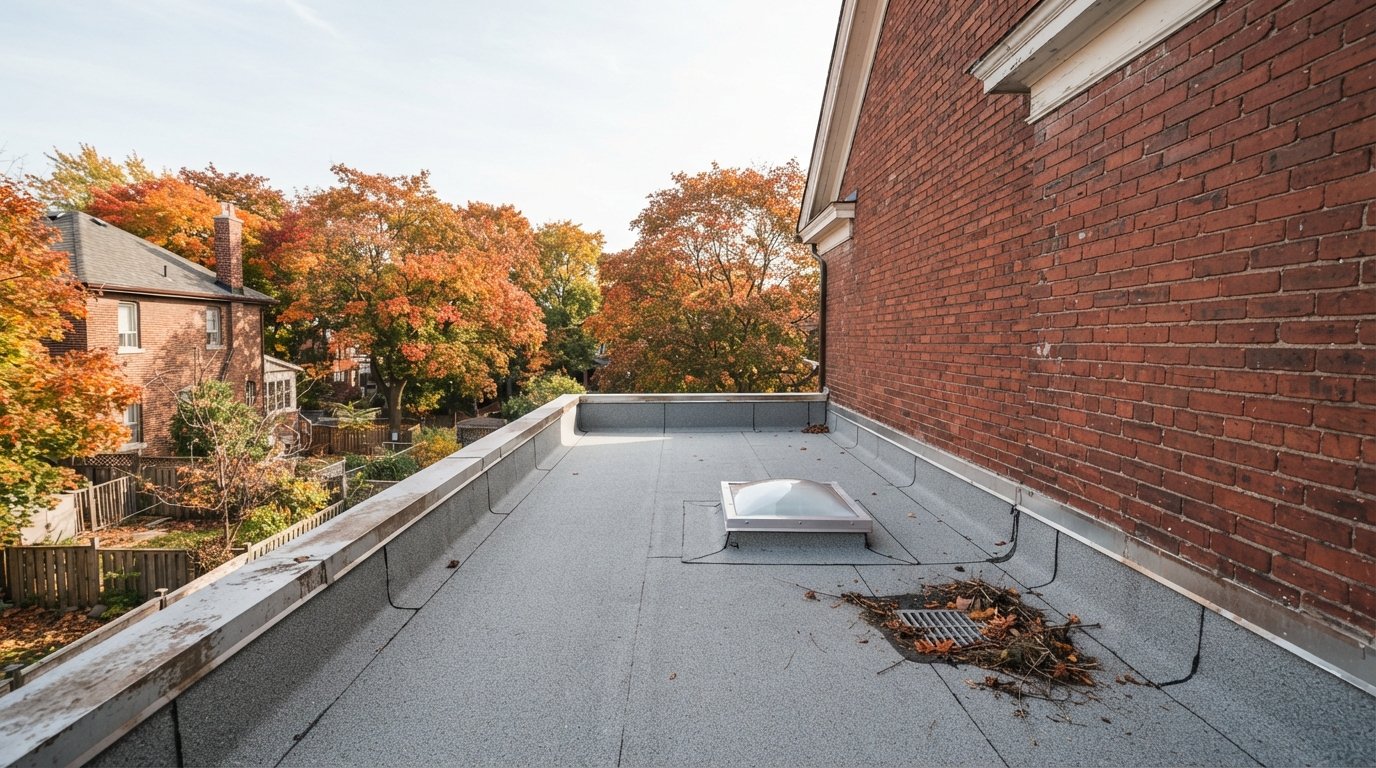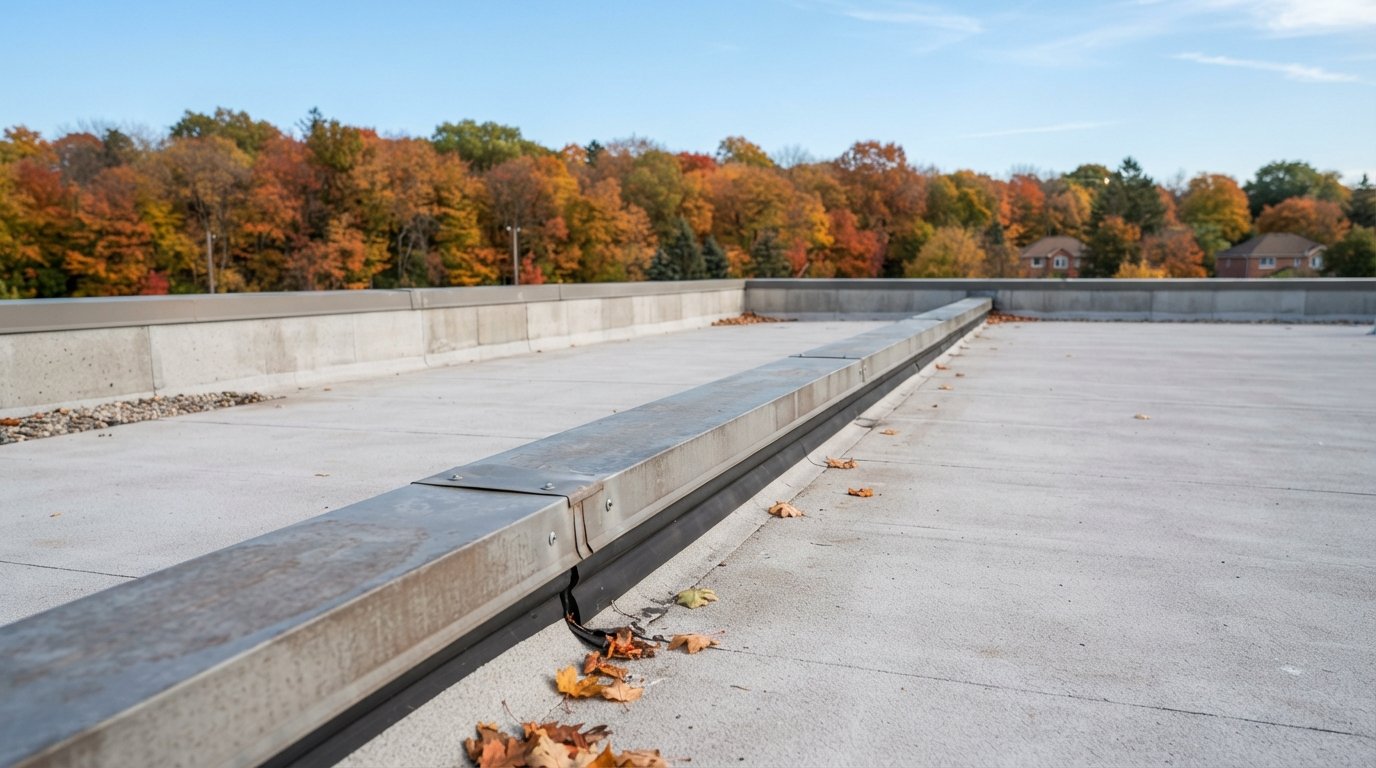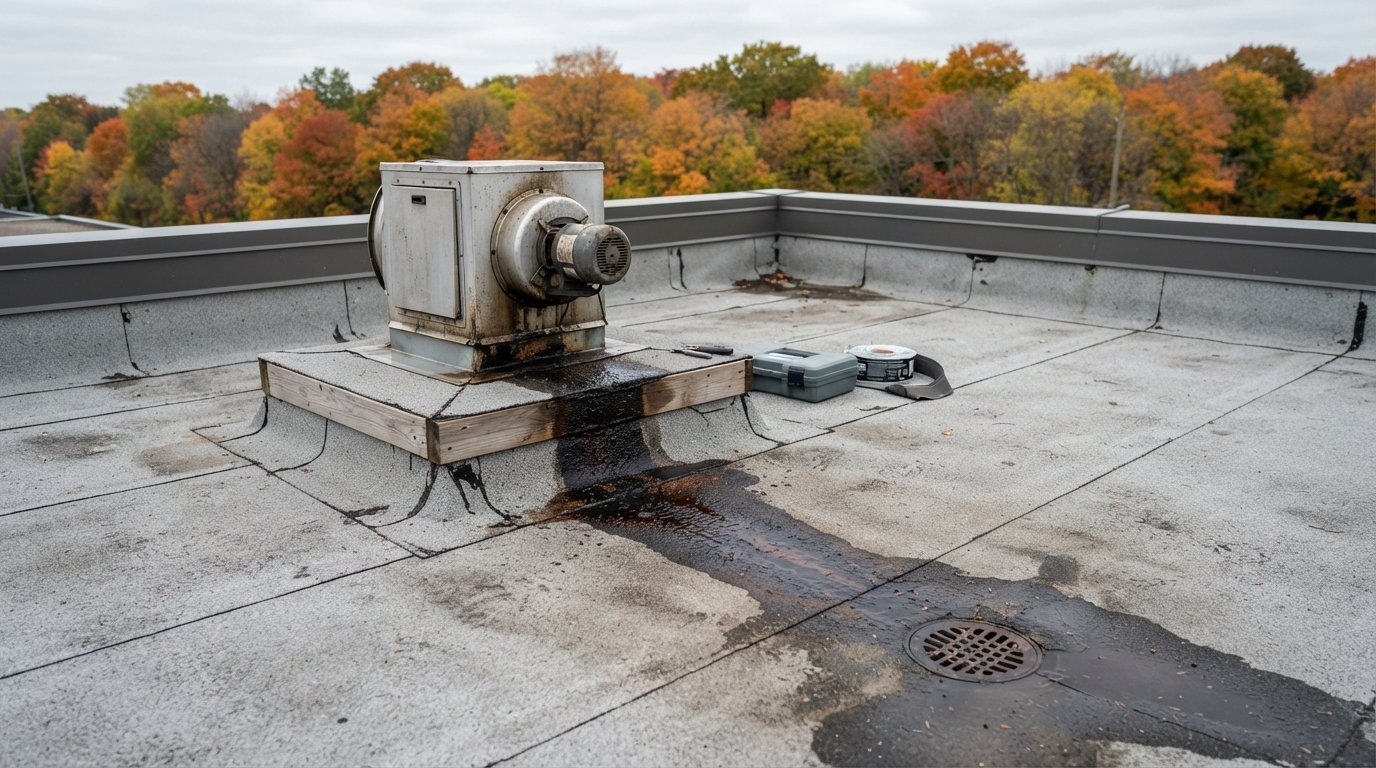

A tpo membrane roof has quietly become the default choice for flat and low-slope rooftops across the Greater Toronto Area, and for good reason. Thermoplastic polyolefin (TPO) is a single-ply roofing membrane that combines a bright, heat-reflective surface with hot-air welded seams that lock out water. If you own a home with a flat roof section over an addition, garage, or porch, or you manage a commercial building with acres of low-slope decking, a tpo membrane roof gives you a durable, energy-conscious surface at a price that undercuts many alternatives. In this guide, Flat Roofs Toronto breaks down real 2026 installed costs for the GTA, the honest pros and cons, how TPO stacks up against EPDM and modified bitumen, and what a professional installation actually involves so you can make a confident decision.
What Is a TPO Membrane Roof and Why It Suits Toronto Flat Roofs
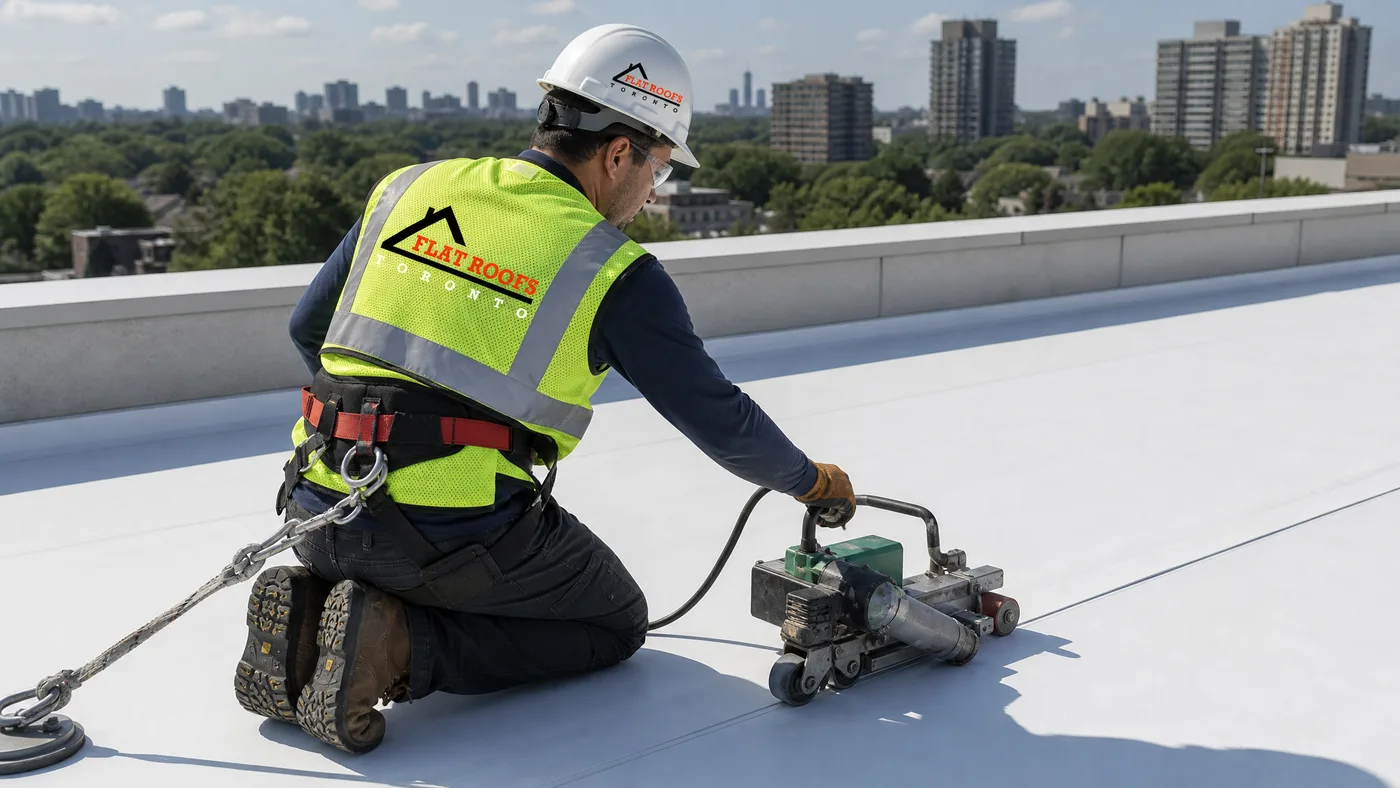
A tpo membrane roof is a single layer of thermoplastic polyolefin sheet, typically 45, 60, or 80 mils thick, rolled out across your roof deck and mechanically fastened or fully adhered to the substrate. The individual sheets are joined not with glue or tape but with a robotic hot-air welder that fuses the overlapping edges into a single, monolithic surface. That welded seam is the technical heart of the system: it is often stronger than the membrane itself, which is why a properly installed tpo membrane roof rarely fails at the joints where older tar-and-gravel systems used to leak.
TPO was engineered as a middle path between two older single-ply technologies. It borrows the reflective, energy-saving white surface associated with PVC roofing and the flexibility and puncture resistance associated with EPDM rubber, without the plasticiser migration issues of the former or the black heat-absorbing surface of the latter. For a Toronto property, the reflective surface matters. During a humid July stretch when rooftop temperatures on a dark membrane can soar well past 70 degrees Celsius, a white tpo membrane roof stays dramatically cooler, easing the load on air conditioning and slowing the thermal ageing of the roof assembly beneath it.
The membrane is reinforced with a polyester scrim woven into its centre. This internal fabric gives the sheet its tensile strength and dimensional stability, so it resists tearing under foot traffic, wind uplift, and the constant expansion and contraction that any Toronto roof endures as temperatures swing between a cool morning and a blazing afternoon. When you see a bright white flat roof on a new GTA townhome, plaza, or warehouse, there is a very good chance you are looking at a tpo membrane roof.
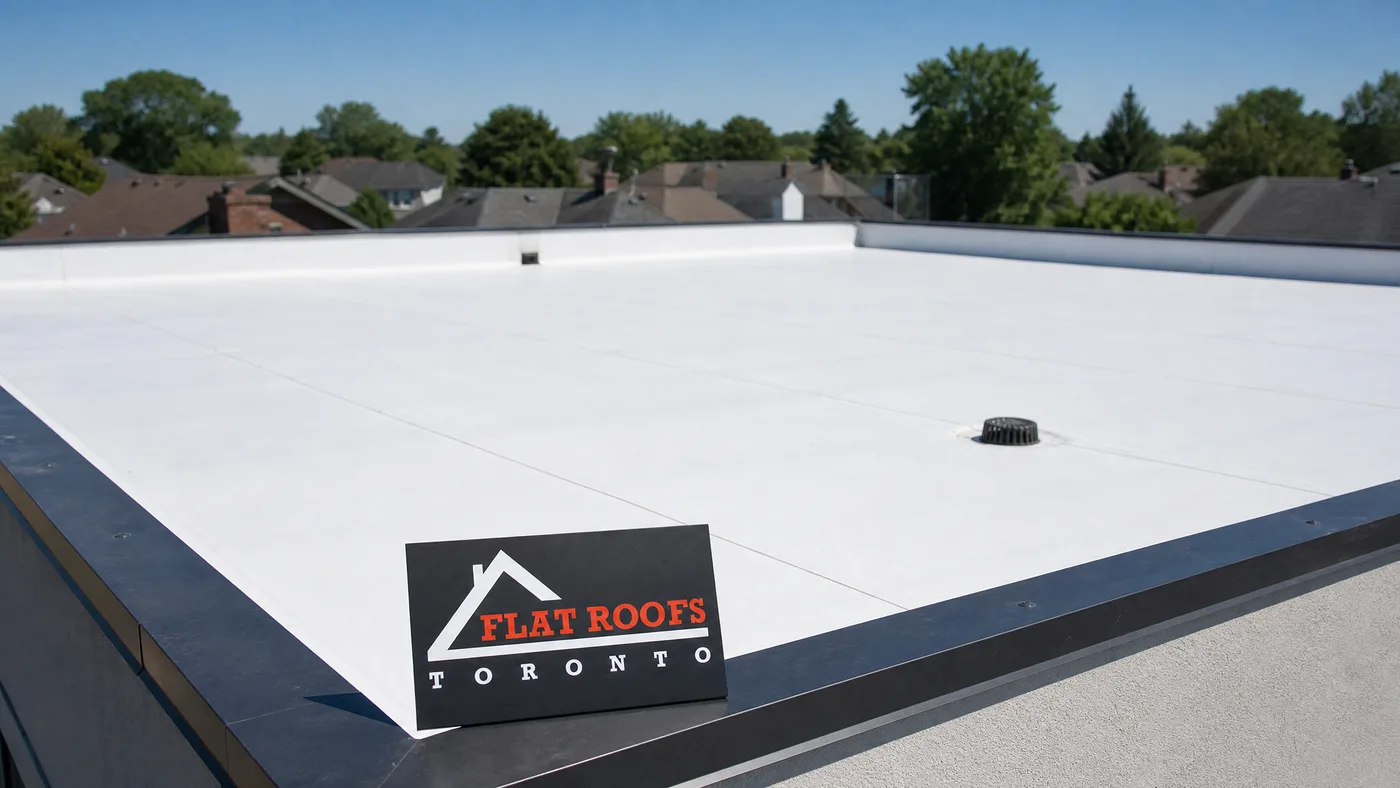
2026 TPO Membrane Roof Cost in the Greater Toronto Area
Pricing is the first question almost every property owner asks, so let us be direct. In 2026, a professionally installed tpo membrane roof in the GTA generally runs between 9 and 16 dollars per square foot, depending on membrane thickness, the amount of insulation added, the condition of the existing deck, and the complexity of the roof. A simple residential flat roof over a rear addition sits at the lower end, while a commercial roof with tapered insulation, multiple penetrations, and extensive flashing sits higher.
Several variables move the number. Membrane thickness is the most obvious: an 80-mil sheet costs more upfront than a 45-mil sheet but carries a longer warranty and better puncture resistance. Insulation is the second big driver, because most quality installations include one or more layers of polyiso board beneath the membrane, and Toronto energy expectations continue to push those R-values higher. Finally, tear-off matters. Removing an old, waterlogged roof and repairing the deck adds labour and disposal cost that a clean recover would not.
| Roof Type & Size | Membrane | Typical 2026 GTA Installed Cost | Timeline |
|---|---|---|---|
| Small residential addition (500 sq ft) | 60-mil TPO | $5,000 – $7,500 | 1 – 2 days |
| Full house flat roof (1,200 sq ft) | 60-mil TPO | $11,000 – $17,000 | 2 – 3 days |
| Small commercial unit (3,000 sq ft) | 60 to 80-mil TPO | $28,000 – $45,000 | 3 – 5 days |
| Large commercial/industrial (10,000 sq ft) | 80-mil TPO | $95,000 – $150,000+ | 1 – 3 weeks |
Treat any online estimate as a starting range, not a quote. The only way to get an accurate figure for your building is an on-site assessment where a roofer measures the deck, checks the substrate, counts the penetrations, and confirms whether a recover is permitted or a full tear-off is required. Our team provides that assessment as part of every commercial flat roof installation and residential quote so you are never guessing.
The Real Pros of a TPO Membrane Roof
The advantages of a tpo membrane roof are what have driven its rapid adoption across the GTA over the last decade. Understanding them helps you weigh the system against the alternatives honestly.
Energy efficiency and summer heat rejection. The reflective white surface of a tpo membrane roof reflects a large share of solar radiation instead of absorbing it. In a Toronto summer, that translates into a cooler top floor, a lighter air-conditioning bill, and a roof assembly that ages more slowly because it is not being cooked. Buildings pursuing cool-roof credits or energy targets frequently specify TPO for exactly this reason.
Welded seams that resist leaks. Because the seams are heat-welded rather than glued, they form a continuous watertight bond. Adhesive and tape seams on older systems degrade over time; a correctly welded TPO seam does not rely on adhesion chemistry and typically outlasts the field of the membrane. This is the single biggest reason flat roofs that once needed constant patching now stay dry for decades.
Strong value for the money. TPO delivers PVC-like reflectivity and reliable welded seams at a lower material cost than PVC, making it one of the best cost-to-performance ratios in the flat roofing world. For budget-conscious homeowners and commercial owners alike, that balance is hard to beat.
Flexibility and lightweight installation. The membrane is light, so it rarely requires structural reinforcement, and it flexes with building movement rather than cracking. It also wraps cleanly around vents, drains, curbs, and skylight kerbs, which makes it an excellent partner for rooftop features like residential skylights where flashing detail is critical.
The Honest Cons and Limitations to Weigh
No roofing system is perfect, and a responsible contractor will tell you where a tpo membrane roof has drawbacks. Being clear-eyed about these helps you avoid disappointment later.
Installation quality is everything. The welded seam that makes TPO so reliable is only reliable when the welder is set to the correct temperature and speed and the operator is skilled. A weld that is too cool will not fuse; a weld that is too hot scorches and weakens the sheet. This is not a system for a general handyman. The performance gap between an expert install and a rushed one is enormous, which is why choosing an experienced flat roofing specialist matters more with TPO than with almost any other membrane.
Formulation and quality vary by manufacturer. TPO is a relatively young product compared with EPDM, and early formulations from some manufacturers weathered poorly. Today’s premium sheets are far more UV-stable, but the market still contains bargain membranes that will not last. A knowledgeable installer specifies a proven, well-warranted product rather than the cheapest roll available.
Puncture from heavy point loads. While reinforced TPO resists everyday foot traffic well, dropped tools, dragged equipment, or unprotected walkways under HVAC units can puncture any single-ply membrane. Rooftops with regular service traffic benefit from walk pads and clear maintenance protocols.
Repairs need compatible materials. Because the membrane is welded, a proper repair is welded too, using compatible TPO. That is straightforward for a qualified roofer but not something to improvise with generic patching materials. Keeping a relationship with a contractor who can respond to emergency roof repair ensures any damage is fixed correctly the first time.
TPO vs EPDM vs Modified Bitumen: A Toronto Comparison
Homeowners and property managers in the GTA usually weigh a tpo membrane roof against two established rivals: EPDM rubber and modified bitumen (mod-bit). Each has a place, and the right answer depends on your roof, your budget, and your priorities. The table below summarises the practical differences we discuss with clients every week.
| Feature | TPO Membrane | EPDM Rubber | Modified Bitumen |
|---|---|---|---|
| Surface colour | Reflective white (cool roof) | Typically black (heat absorbing) | Dark, granulated or smooth |
| Seam method | Hot-air welded, monolithic | Adhesive tape or glue | Torch or self-adhered laps |
| Typical lifespan | 20 – 30 years | 20 – 30 years | 15 – 20 years |
| Summer energy performance | Excellent (reflects heat) | Lower (absorbs heat) | Lower (dark surface) |
| Installed cost (relative) | Moderate, strong value | Moderate | Moderate to higher |
The short version: choose a tpo membrane roof when energy efficiency and welded-seam reliability are priorities, which describes most modern GTA flat roofs. EPDM remains a sensible pick for certain applications where a black surface is desired or where a fully adhered rubber system suits the deck. Modified bitumen still shines on some heavily trafficked or complex roofs, but its dark surface and torch-applied methods make it less attractive for energy-focused projects. During your consultation for a residential flat roof installation, we walk you through which system fits your specific building rather than pushing a single product.
How a Professional TPO Membrane Roof Installation Works
Understanding the installation sequence helps you spot a quality job and ask the right questions. A professional tpo membrane roof installation follows a disciplined series of steps, and shortcuts at any stage compromise the whole roof.
Inspection and tear-off. The crew first assesses the existing roof and the deck beneath it. Wet or rotted decking is replaced, and in many cases the old membrane is torn off entirely so the new system starts on a sound, dry substrate. On some sound decks a recover is permitted, but that decision belongs to a qualified roofer, not a guess.
Insulation and cover board. One or more layers of rigid polyiso insulation are laid to hit the target R-value, often with a tapered layout that directs water toward drains. A cover board over the insulation gives the membrane a firm, puncture-resistant base and improves the roof’s fire and wind ratings. Pairing a new roof with upgraded attic insulation where applicable maximises the overall energy performance of the building envelope.
Membrane attachment. The TPO sheets are then mechanically fastened or fully adhered across the field, positioned so the overlaps run in the correct direction for drainage and wind. Attachment method is chosen based on wind-uplift requirements and deck type.
Seam welding and flashing. This is the craft stage. A robotic hot-air welder fuses the field seams, while a hand welder details corners, penetrations, drains, and curbs. Every pipe, vent, and skylight kerb receives custom-fitted flashing so water has nowhere to enter. On commercial buildings that combine membrane with commercial skylights, this flashing detail is where experience truly pays off.
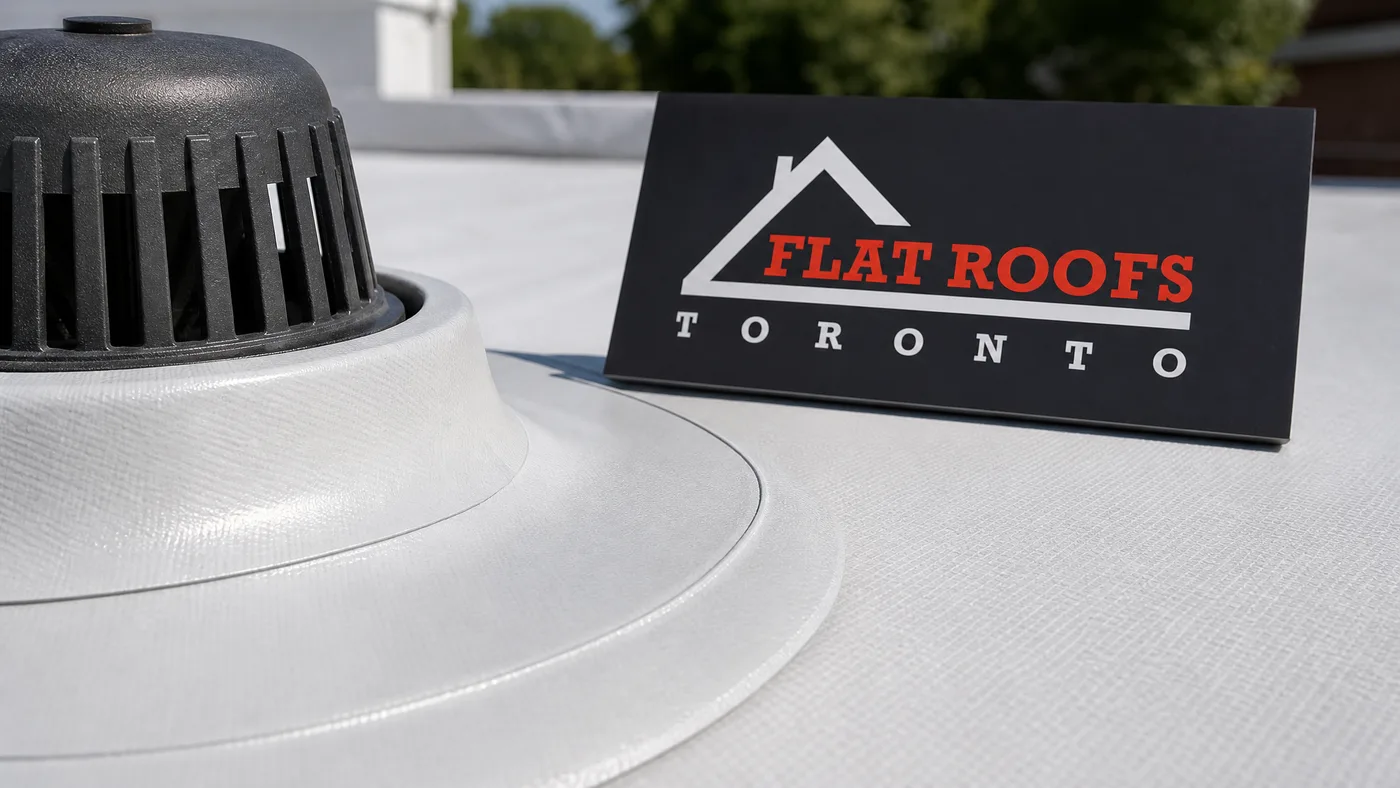
Quality check and probe testing. Finally, the crew probes every seam with a tool to confirm the welds are continuous, corrects any voids, and cleans the roof. A finished tpo membrane roof should present a uniform, tightly welded surface with crisp flashing and clear drainage paths. You can see examples of completed GTA projects in our gallery.
Maintaining Your TPO Membrane Roof for Maximum Lifespan
A tpo membrane roof is low-maintenance, not no-maintenance, and a small amount of care extends its service life significantly. The good news is that maintenance is simple and inexpensive compared with the cost of a premature replacement.
Twice-yearly inspections, ideally in spring and again in late summer, catch small issues before they grow. During an inspection a roofer checks the seams, examines flashing around penetrations, clears drains and scuppers of debris, and looks for any punctures or scuffs from foot traffic. Because the white surface shows dirt and staining, a periodic gentle cleaning also restores reflectivity and keeps the cool-roof benefit working at full strength.
| Maintenance Task | Frequency | Why It Matters |
|---|---|---|
| Visual seam and flashing inspection | Twice yearly | Catches small weld or flashing gaps early |
| Clear drains, scuppers, and gutters | Twice yearly and after storms | Prevents ponding water that stresses the membrane |
| Surface cleaning | Every 1 – 2 years | Restores reflectivity and cool-roof performance |
| Professional condition assessment | Every 3 – 5 years | Documents remaining service life and warranty status |
| Prompt repair of punctures or damage | As needed | Stops minor damage from becoming an interior leak |
Ponding water is the enemy of any flat roof, so keeping drainage paths clear is the single most valuable habit an owner can build. If you ever spot a stain on a ceiling below the roof, or notice the membrane has been punctured, treat it as time-sensitive and call for a professional repair rather than waiting. A quick welded patch is inexpensive; water that has tracked into the insulation and deck is not.
How long does a tpo membrane roof last in Toronto?
How much does a tpo membrane roof cost per square foot in 2026?
Is a tpo membrane roof better than EPDM rubber?
Can a TPO roof be installed over my existing flat roof?
Does a white TPO membrane roof really lower cooling costs?
What maintenance does a TPO membrane roof need?
Get an Expert TPO Membrane Roof Quote for Your GTA Property
A tpo membrane roof is one of the smartest investments you can make in a Toronto flat or low-slope roof, but the result lives or dies on installation quality. Flat Roofs Toronto specialises in single-ply flat roofing, and our crews weld, flash, and probe-test every seam so your roof stays dry and efficient for decades. Whether you own a home with a flat addition or manage a commercial building across the GTA, we will assess your deck, recommend the right membrane and insulation, and give you a clear, honest quote with no guesswork.
Call us today at (647) 333-3528 or request a free inspection to get started.
Flat Roofs Toronto proudly serves Toronto, Mississauga, Markham, Vaughan, Brampton, Oakville, and Burlington.