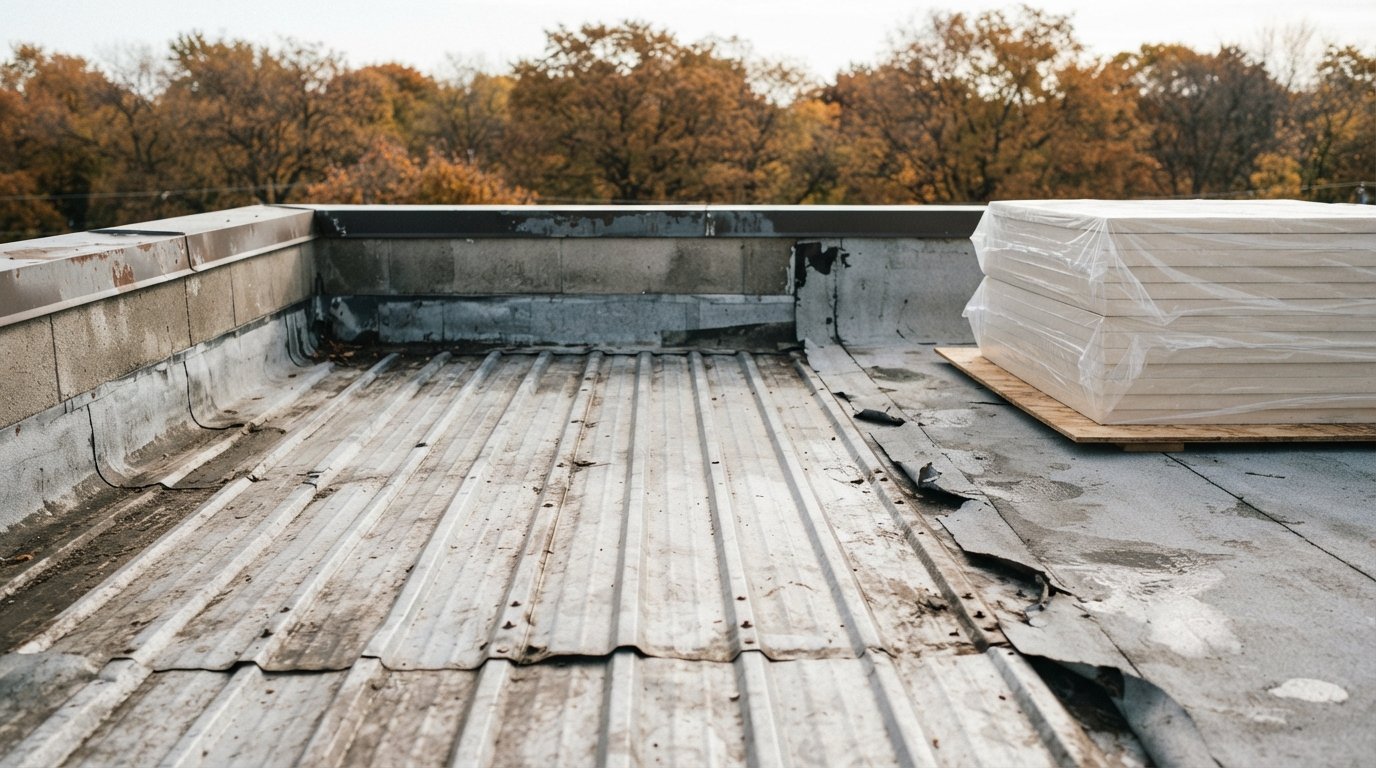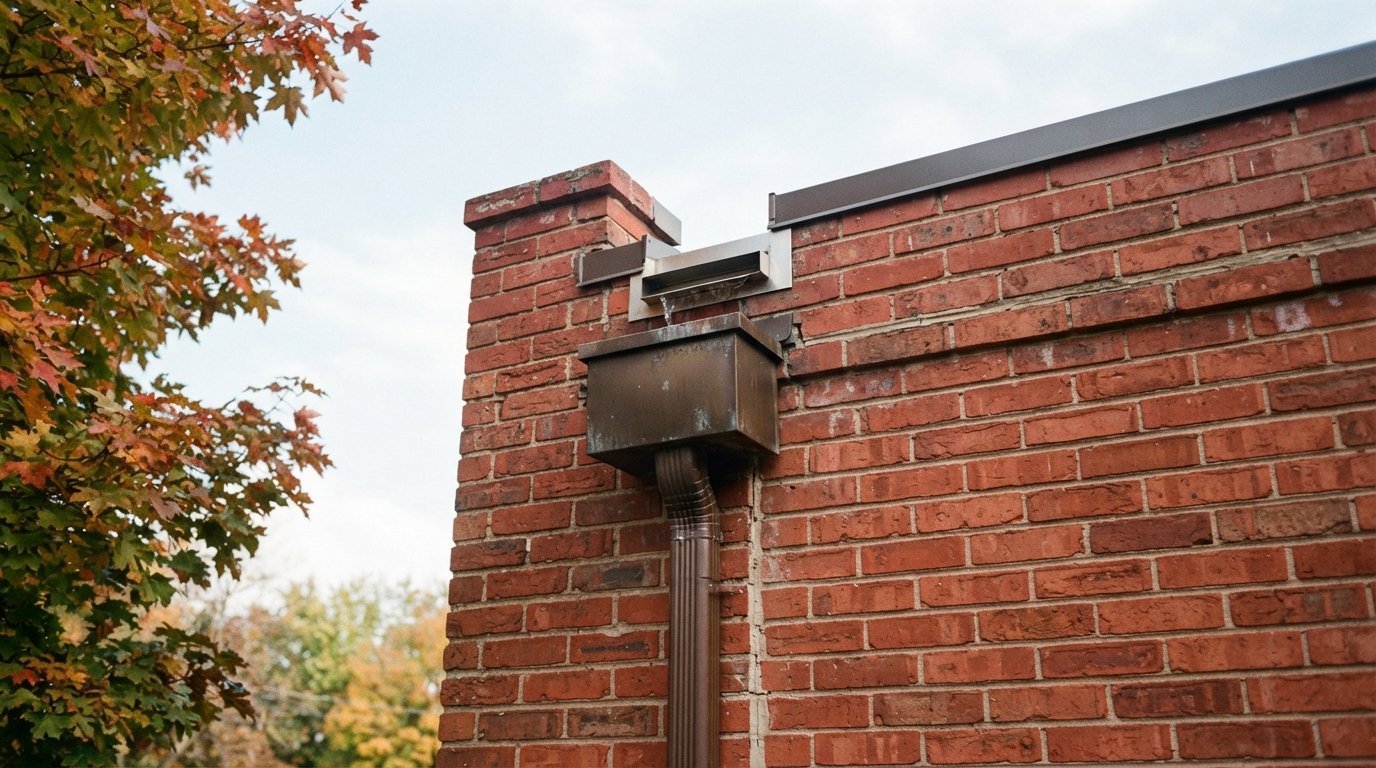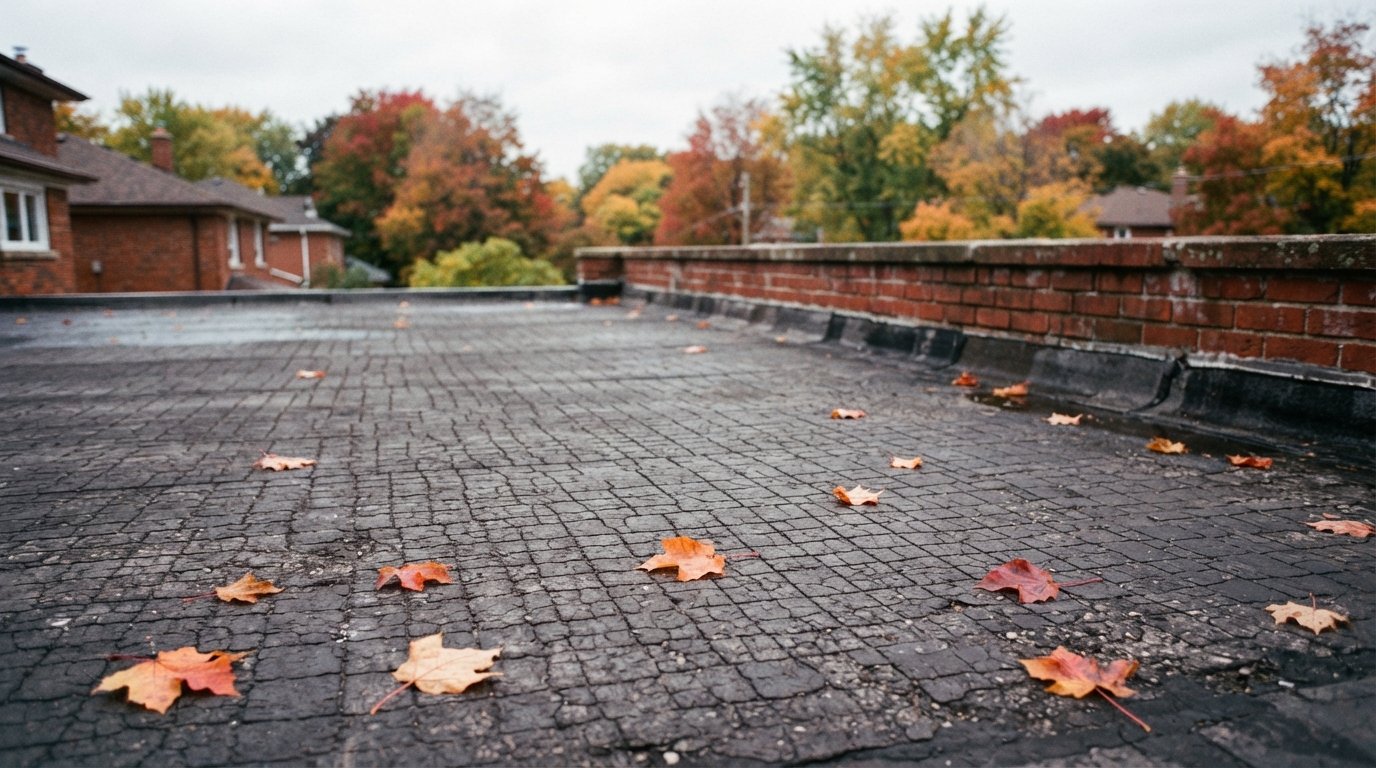

Built-up roofing, commonly known as “tar and gravel”, is the original flat roof system, with over 100 years of proven performance history. While modern single-ply membranes (TPO, PVC, EPDM) have captured the majority of the flat roofing market, built up roofing bur toronto systems remain a viable and sometimes superior choice for specific applications. This guide examines whether BUR is still worth considering for Toronto flat roofs in 2026, comparing its performance, cost, and longevity against modern alternatives.
What Is Built-Up Roofing?
A BUR system consists of multiple alternating layers of bitumen (asphalt or coal tar) and reinforcing fabric (fibreglass or organic felt), built up on the roof deck to create a thick, monolithic waterproof membrane. A typical 4-ply BUR system includes: a base sheet mechanically fastened or adhered to the roof deck, three additional plies of reinforcing fabric mopped with hot bitumen, and a surface layer of flood coat bitumen with embedded gravel (river-washed stone) or a mineral-surfaced cap sheet. The resulting assembly is 1/2 to 3/4 inch thick, significantly thicker than any single-ply membrane, providing exceptional puncture resistance and redundant waterproofing.
BUR vs Modern Single-Ply Systems
| Factor | BUR (4-ply) | TPO/PVC Single-Ply |
|---|---|---|
| Installed cost | $10 – $18 per sq ft | $7 – $16 per sq ft |
| Expected lifespan | 25-40 years | 15-30 years |
| Puncture resistance | Excellent, thick multi-layer | Good, single layer |
| Seam reliability | No seams, monolithic membrane | Heat-welded seams (strong but present) |
| Fire resistance | Excellent, gravel surface is non-combustible | Good, Class A with additives |
| Weight | Heavy, 6-10 psf | Light, 0.5-1.5 psf |
| Installation speed | Slow, multi-day process | Fast, large areas per day |
| Repair ease | Easy, hot-mopped patches | Easy, heat-welded patches |
| Environmental concerns | Hot kettle fumes, odour | Clean installation |
When BUR Is Still the Best Choice
- Maximum lifespan applications: When 30-40+ year service life is the priority and upfront cost is secondary
- High-traffic roofs: BUR’s thickness provides superior puncture resistance for roofs with heavy foot traffic or equipment
- Historical restorations: Heritage buildings where maintaining the original roofing system is required or preferred
- Coal tar BUR: Coal tar pitch BUR is the only roofing material that is truly self-healing, minor cracks reseal as the bitumen softens in warm weather
When to Choose Modern Single-Ply Instead
- Budget priority: Single-ply costs 20-40% less installed
- Structural limitations: Single-ply weighs 80-90% less than BUR, critical for structures that cannot support additional dead load
- Speed: Single-ply installs 2-3x faster, reducing labour costs and building disruption
- Environmental/odour sensitivity: Single-ply installation produces no fumes or odour
Is tar and gravel roofing still used in Toronto?
How long does a tar and gravel roof last?
Expert Flat Roof Solutions, Call Flat Roofs Toronto
Call (416) 661-7663 or request a quote online.