Ponding water, standing water that remains on a flat roof for 48 hours or more after rain, is one of the most common and damaging problems affecting Toronto flat roofs. While a flat roof is designed to shed water, “flat” is somewhat misleading, these roofs should have a minimum slope for drainage. Flat Roofs Toronto explains why ponding is dangerous and how to solve it.
Why Ponding Water Is Dangerous
| Risk | Impact | Timeline |
|---|---|---|
| Accelerated membrane degradation | Standing water magnifies UV damage, softens asphalt, and promotes biological growth | Reduces lifespan by 5 to 10 years |
| Structural overload | Water weighs 5 lbs per sq ft per inch of depth; snow-covered ponding areas compound the load | Immediate risk in winter storms |
| Leak development | Constant water pressure finds the smallest membrane weakness | Weeks to months |
| Vegetation growth | Seeds germinate in standing water, roots penetrate membrane | One growing season |
| Mosquito breeding | Standing water becomes a breeding ground, public health risk | Days in summer |
Causes of Ponding Water on Toronto Flat Roofs
Inadequate original slope. The Ontario Building Code requires a minimum 2% slope (1/4 inch per foot) for flat roofs, but many older Toronto buildings were constructed with less. Over time, the deck can settle further, creating low spots.
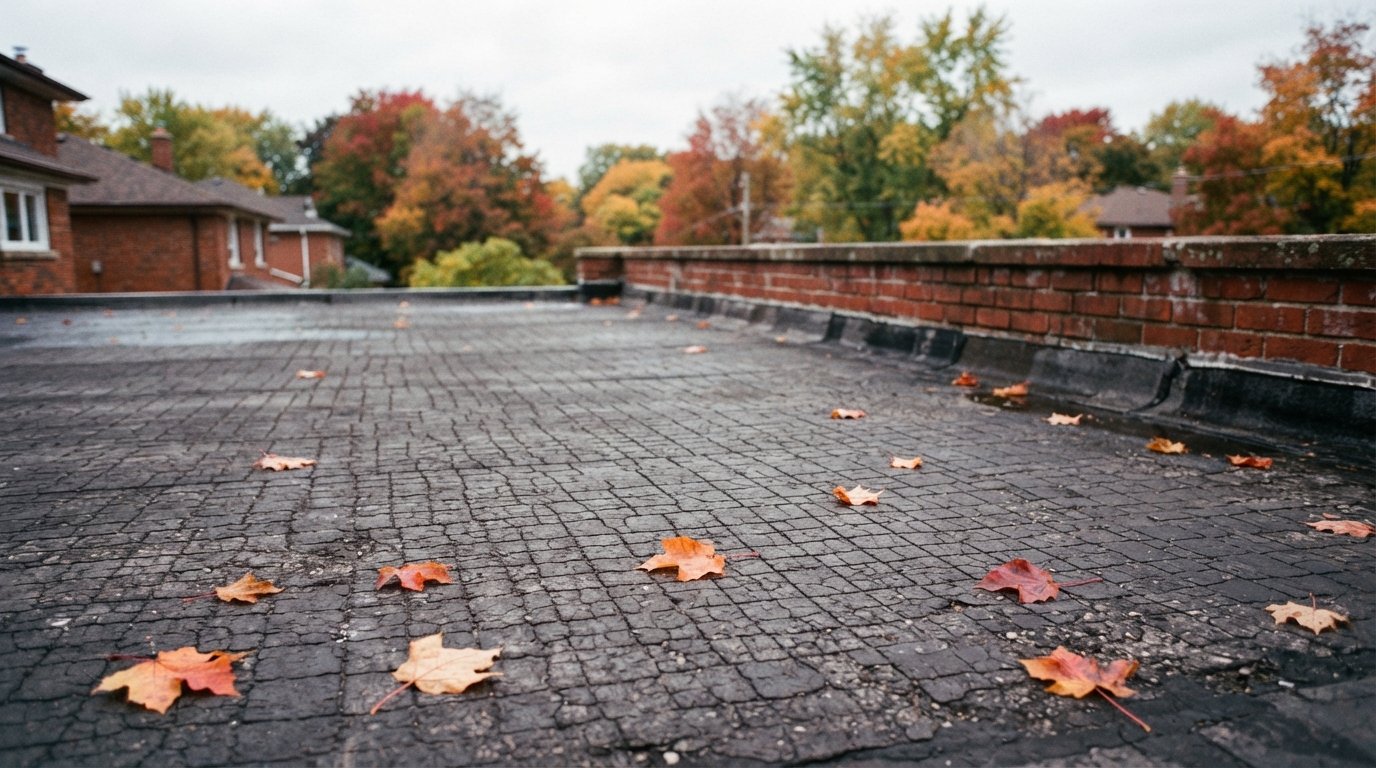
Clogged or undersized drains. Flat roof drains require regular cleaning. Debris, leaves, and roofing granules block drains, preventing water from flowing off. In Toronto’s fall leaf season, drains can clog within weeks.
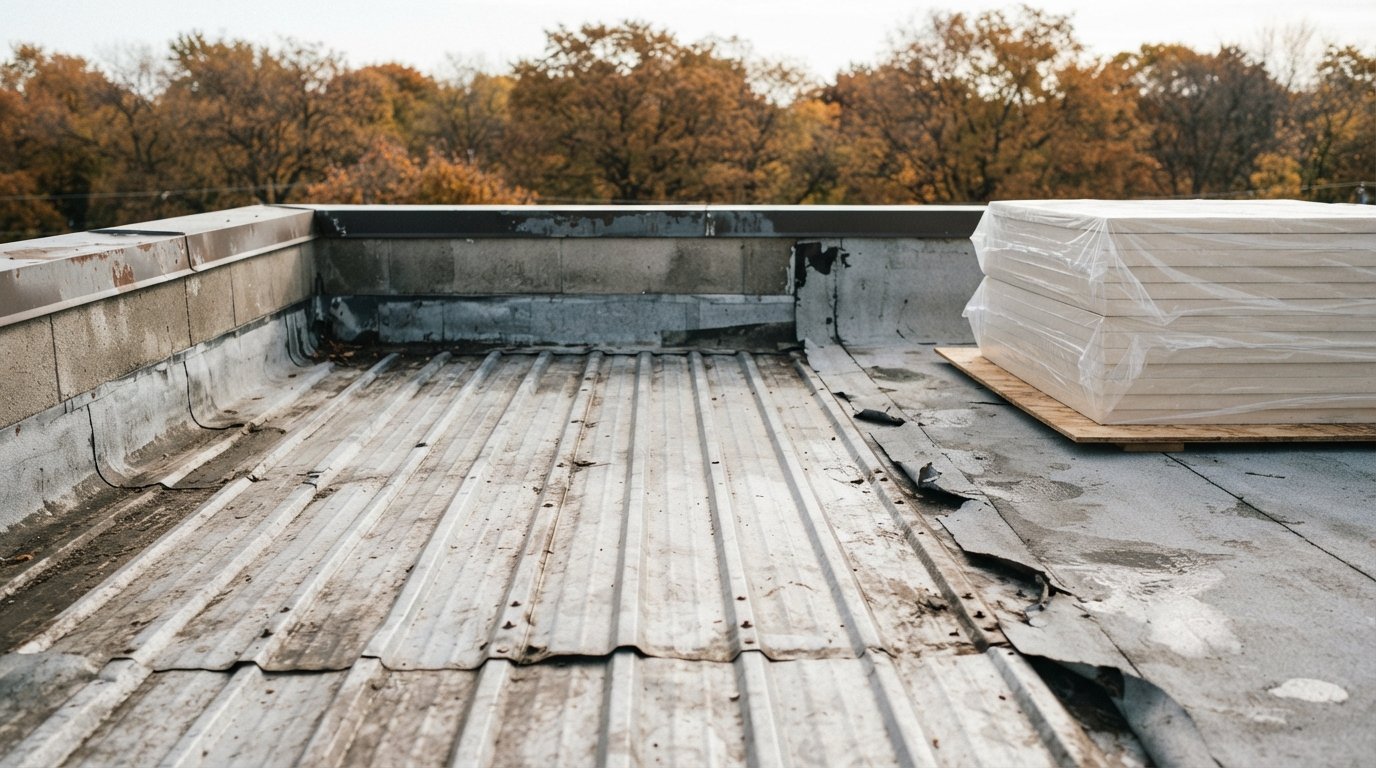
Structural deflection. Heavy loads, HVAC units, snow accumulation, or added building components, can cause the roof deck to sag, creating permanent low spots.
Previous repair patches. Improperly installed patches can create dams that trap water in localized areas.
Insulation compression. Over time, insulation boards under the membrane can compress unevenly, creating depressions that hold water.
Drainage Solutions for Toronto Flat Roofs
1. Tapered insulation system ($5 to $12/sq ft). The most comprehensive solution. Tapered polystyrene or polyisocyanurate insulation boards are installed to create positive drainage slope toward existing drains. This simultaneously improves insulation and eliminates ponding. Best done during full roof replacement.
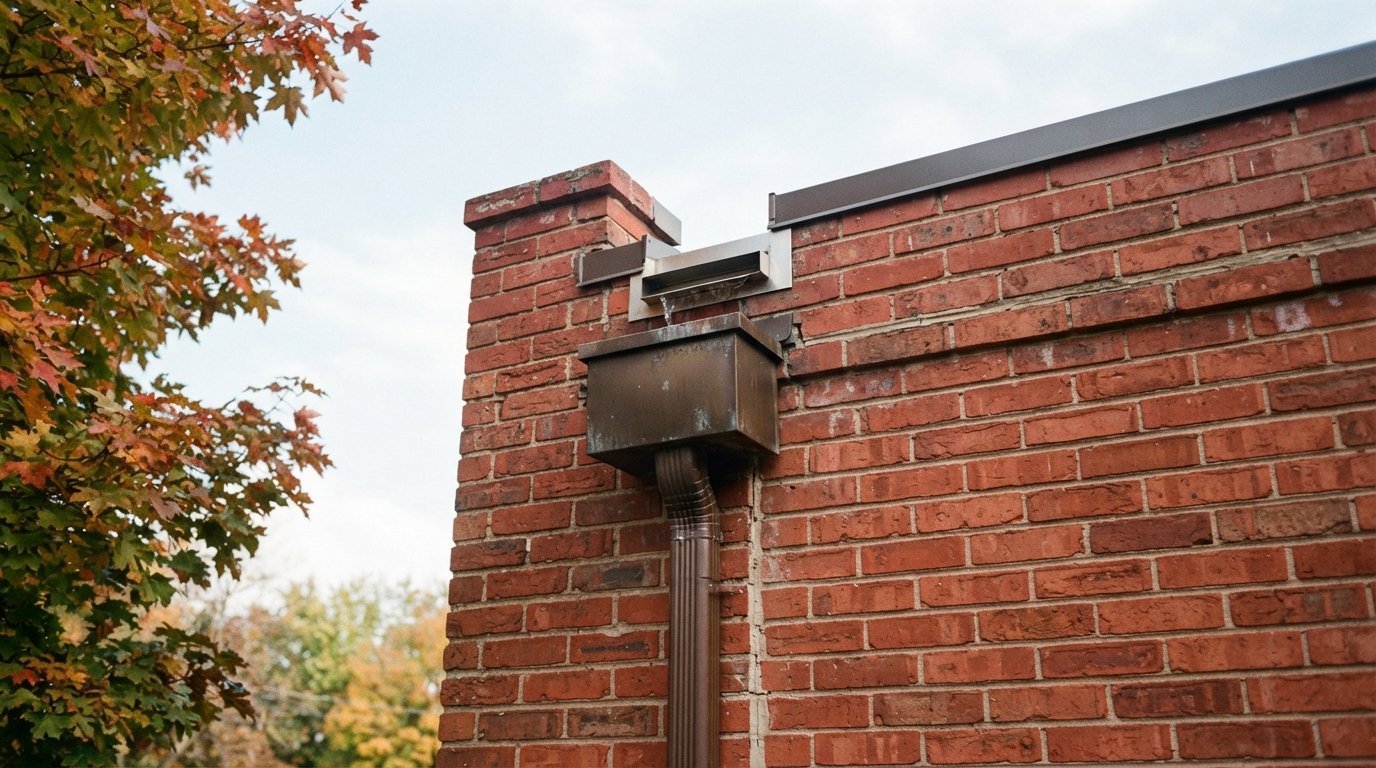
2. Additional drains or scuppers ($500 to $2,000 each). Adding interior drains or wall-mounted scuppers in ponding areas provides new drainage paths. Each drain requires plumbing connection to the building’s storm system.
3. Cricket or saddle installation ($1,000 to $3,000). A small raised framing structure (cricket) diverts water away from low spots toward drains. Common around HVAC curbs and parapet walls.
4. Drain cleaning and maintenance ($200 to $500/visit). Regular drain cleaning solves most ponding caused by clogs. Quarterly cleaning is recommended for Toronto flat roofs.
5. Roof coating with slope correction ($4 to $8/sq ft). Silicone or acrylic coatings can be applied in varying thicknesses to correct minor slope issues while waterproofing the existing membrane.
How to Check for Ponding on Your Flat Roof
After a significant rainfall, inspect your flat roof within 48 hours:
- Any standing water still present after 48 hours of dry weather meets the industry definition of ponding
- Look for “tide marks”, dark staining rings on the membrane surface that indicate repeated ponding even when dry
- Check drains, are they clear, flowing freely? Is there debris accumulation around drain bowls?
- Note the location and approximate size of ponding areas for your roofing contractor
Preventive Maintenance Program
| Season | Action | Cost |
|---|---|---|
| Spring | Full inspection, drain cleaning, membrane assessment | $200 to $400 |
| Summer | Post-storm drain check, vegetation removal | $100 to $200 |
| Fall | Leaf removal, drain guards installation, pre-winter check | $200 to $400 |
| Winter | Snow removal if exceeding load limits (>25 lbs/sq ft) | $300 to $800 |
Get Your Ponding Problem Assessed
Flat Roofs Toronto provides free ponding assessments for residential and commercial flat roofs. We identify the root cause, measure existing slopes, and recommend the most cost-effective solution. Contact us for your free assessment.