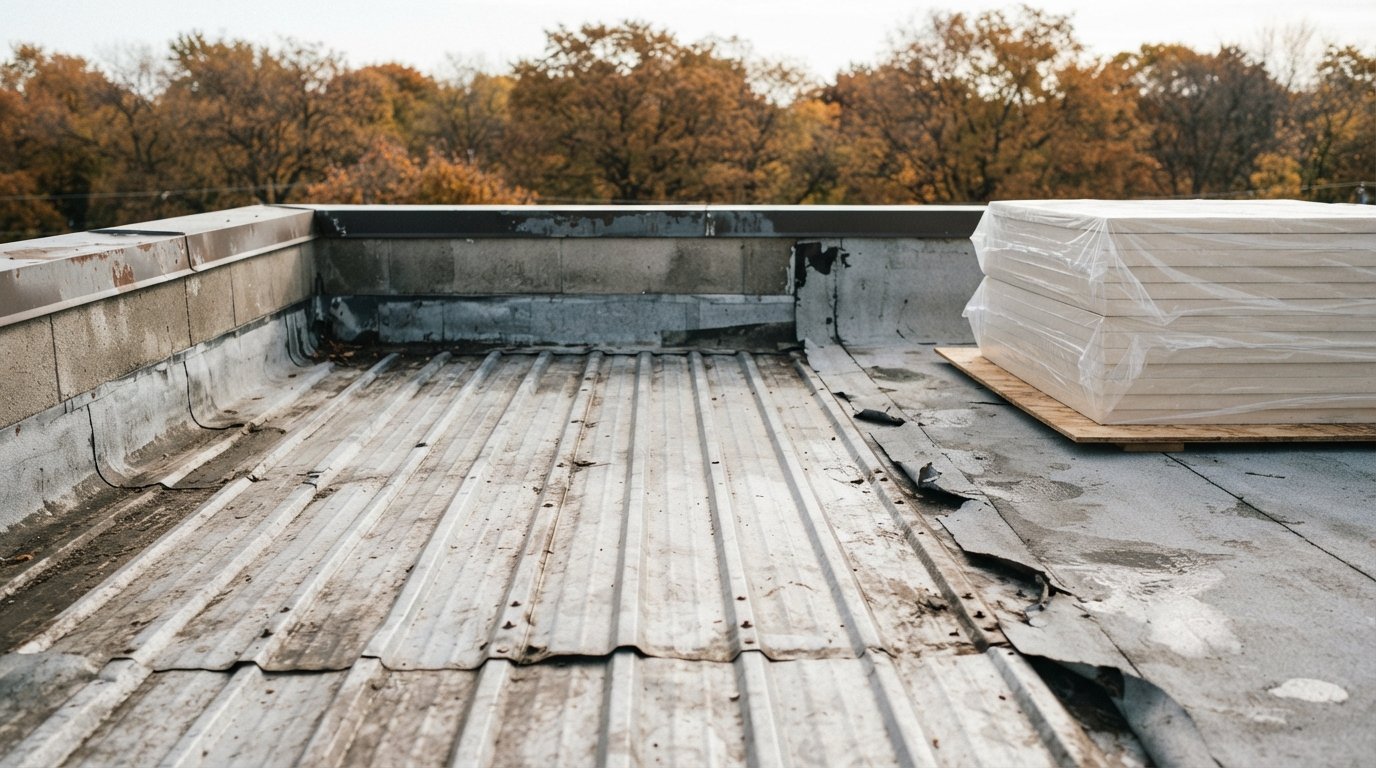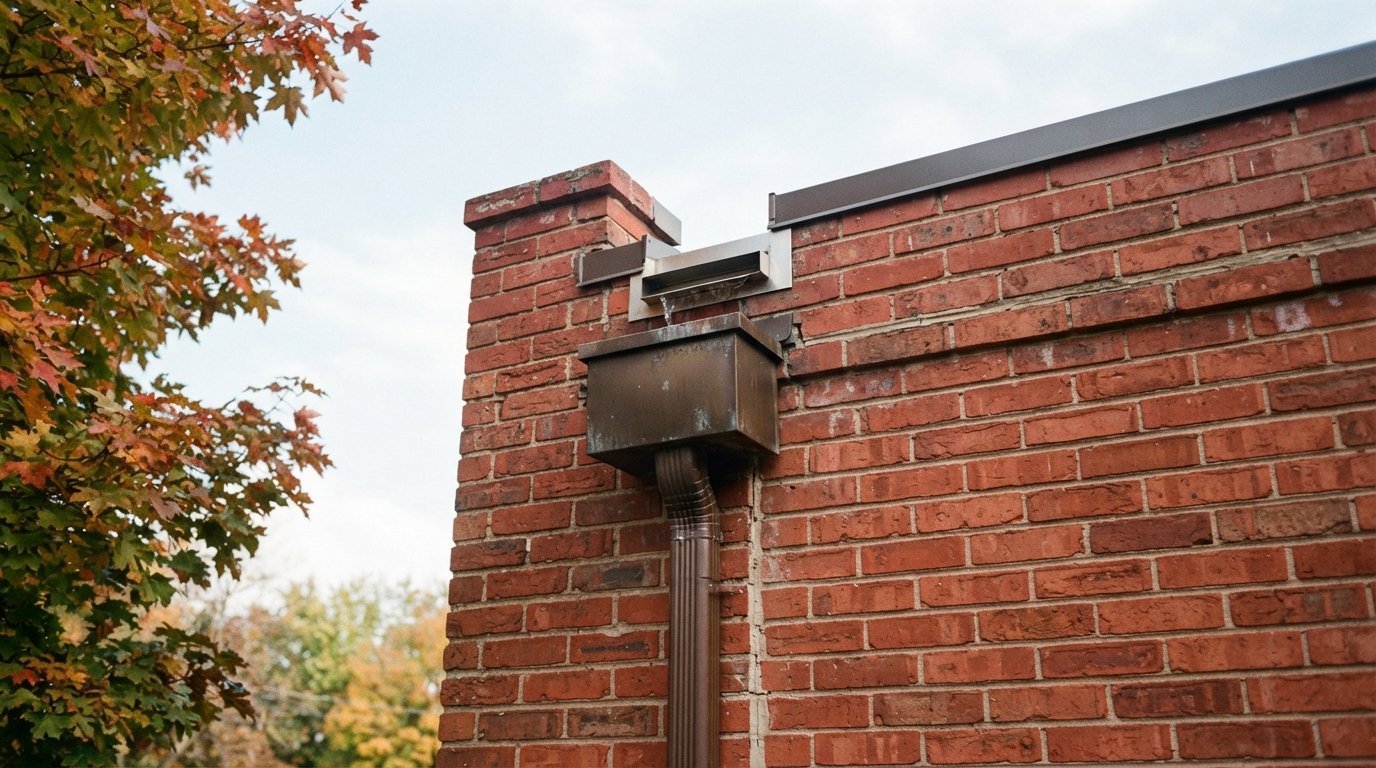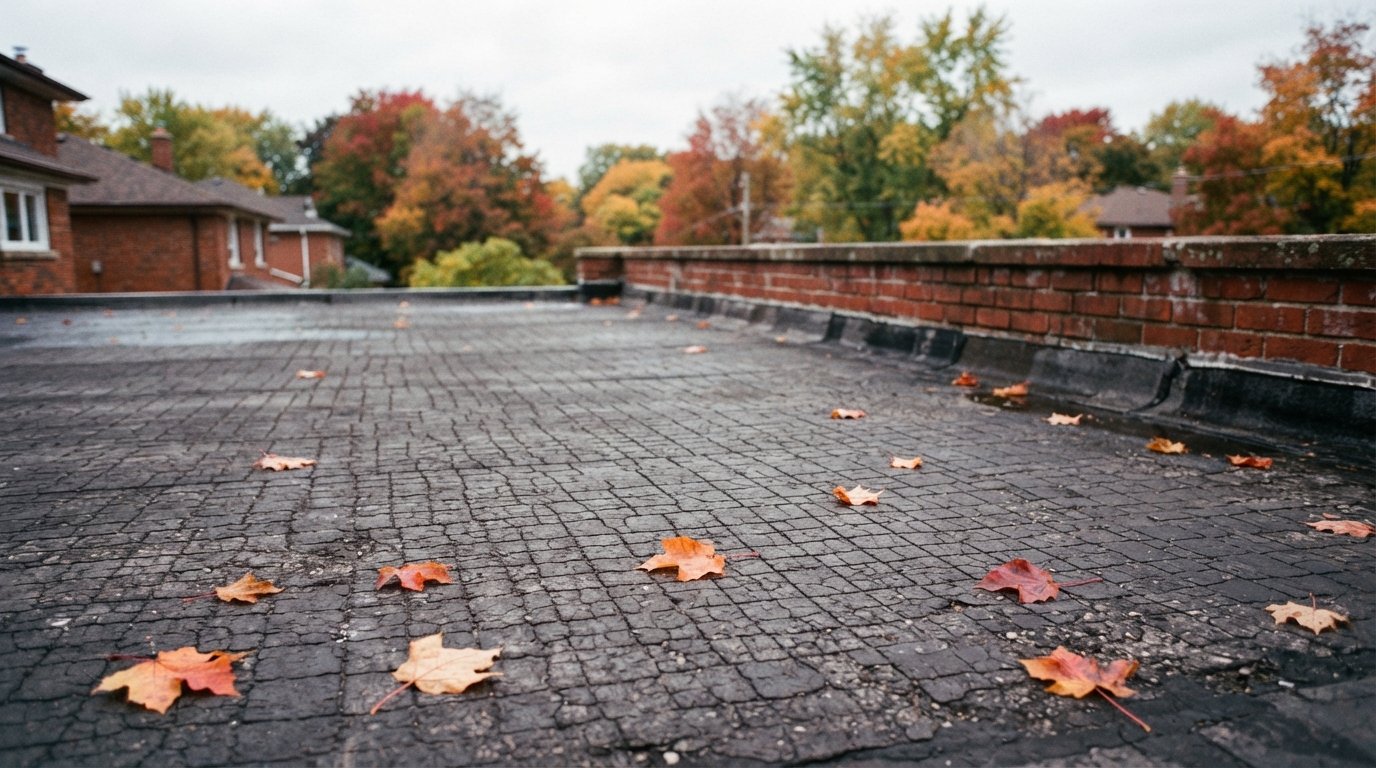
Before the massive proliferation of high-tech white plastics and synthetic rubber sheets, flat roofing in North America belonged exclusively to a foul, chaotic, and highly dangerous process known as “Tar and Gravel.” The modern, highly engineered evolution of this asphalt dominance is known formally as Torch-Applied Modified Bitumen, or simply, “Torch-On.” Instead of hoisting massive, violently dangerous kettles of boiling liquid tar onto a roof, manufacturers began directly embedding heavy modifiers (like flexible SBS rubber) directly into thick, reinforced fiberglass sheets heavily coated in asphalt. To fuse the incredibly heavy seams together, highly specialized technicians deploy massive, 3,000°F open-flame propane blowtorches to physically melt the underside of the roll, pressing it brutally onto the deck. While single-ply membranes like TPO command the commercial heights, Torch-On remains an absolute juggernaut across the sprawling residential flat roofs and low-rise additions of the Greater Toronto Area. Flat Roofs Toronto fields experienced torch-down crews. This comprehensive 2026 guide exposes the stark durability advantages, the massive fire liabilities, and the exact cost metrics of executing a Torch-On project.
The 2026 Economics of the Burn
Installing a Torch-On roof implies deploying extreme heat, highly skilled labor, and massive, massive material weight. It is not an inexpensive shortcut.
| System Configuration | Average 2026 Cost (Per Sq Ft) | Durability Profile | Typical Lifespan |
|---|---|---|---|
| Standard 2-Ply System (Smooth Cap) | $8.00 to $11.00 | Heavy duty. Highly vulnerable to foot traffic UV. | 15 to 20 Years |
| Premium 2-Ply (Heavy Granular Cap) | $9.00 to $13.00 | Rock-solid. The heavy crushed rock provides immense UV armor. | 18 to 25 Years |
| Bulletproof 3-Ply (Base + Interply + Cap) | $12.00 to $16.00 | Nearly indestructible redundancy. Ideal for heavy mechanical access. | 25+ Years |
| The “Go-Over” Cap Sheet (Over old roof) | $5.00 to $8.00 | Temporary bandage. Extremely high risk of trapping internal rot. | 5 to 10 Years max. |
The Technical Sequence: How To Weld Asphalt
Applying a Torch-On roof requires intense tactical choreography. It is a massive, multi-tiered defensive system designed strictly for redundance.
- Structural Stripping & Priming: The old roof is completely excavated down to the bare wooden or steel decking. Rotted sections are surgically removed. Before any asphalt touches the wood, a specialized, highly flammable asphalt primer is heavily rolled onto the substrate to ensure total, violent molecular adhesion.
- The Heavy Base Sheet: The initial defense layer. This foundational heavy sheet is brutally fastened mechanically (screwed down with massive metal plates) or adhered using intense cold-process adhesives over heavy ISO insulation. You never apply a massive 3,000-degree blowtorch directly to a highly combustible dry wooden roof deck; the base sheet acts as the mandatory fire buffer.
- The Torched Cap Sheet: The primary armor. The installer heavily steps backward, continuously swinging a massive “Tiger Torch” over the underside of the heavy upper roll. The asphalt instantly reaches a violently fluid, molten phase. As the heavy roll drops, it fuses entirely into the base sheet.
- The “Bleed-Out” Mandate: The definitive mark of an elite installation is the seam. Master installers ensure exactly 1/4 to 1/2 inch of pure, liquid molten asphalt aggressively oozes (bleeds out) from the edge of the overlapped seam, mathematically proving a 100% flawless waterproof fusion occurred. If there is no bleed-out, the seam is completely hollow and will catastrophically leak.
The Massive Advantage: Brutal Redundancy
Why choose Torch-On over advanced plastics? The supreme victory of Modified Bitumen is thickness and redundancy. Single-ply roofs (like EPDM rubber) are essentially exactly one incredibly thin layer. If an HVAC technician violently drops a heavy steel wrench onto TPO, it easily slices through, completely compromising the entire building. A Torch-On system is two or three incredibly thick, dense, heavy layers aggressively stacked atop one another. It easily deflects massive foot traffic, heavy tool impacts, and violent Toronto hail storms. Furthermore, if a repair is required, a roofer can instantly cut a smaller patch of bitumen and aggressively torch it directly over the wound in minutes, seamlessly fusing older and newer material together permanently.
The Terrifying Liability: The Open Flame
Firing a massive propane blowtorch throwing a three-foot jet of unyielding flame exactly two inches above a 100-year-old, bone-dry wooden roof deck in the cramped alleys of downtown Toronto is inherently terrifying. It requires profound paranoia and strict, unrelenting safety protocols.
The Catastrophic Fire Risk: If a careless installer holds the flame against a wooden parapet wall gap for a fraction of a second too long, the intense heat can violently ignite the 100-year-old dried sawdust buried inside the attic space. The fire smolders silently inside the walls precisely when the crew leaves, violently erupting entirely an hour later and completely cremating the massive property.
The Mandatory Safety Enforcements: Due to colossal, multi-million dollar infernos across North America, the roofing industry is actively suffocating open-flame installations. Many condominium boards now aggressively ban all open flames entirely. If executing a Torch job, you must absolutely ensure your contractor deploys highly specialized, fully-certified Torch Applicators armed with heavy multi-million dollar “Hot-Work Liability” commercial insurance policies. Furthermore, the contractor must legally mandate a dedicated “Fire Watch”, a human physically required to intensely patrol the absolute perimeter of the roof with heavy infrared thermal detectors for a minimum of two full hours after the final flame is totally extinguished.
To Burn or Not To Burn?
In 2026, Torch-On remains highly valid. For cramped residential flat-top additions, heavy-duty garages, and roofs boasting heavily trafficked patio decks, the brutal, thick resilience of Modified Bitumen is unparalleled. However, for massive, sprawling commercial expanses focusing exclusively on highly advanced energy efficiency, white TPO typically takes priority. Determining the precise chemical application requires elite tactical analysis. Contact Flat Roofs Toronto immediately to deploy our estimators to map your architecture. We carry out Torch-On work to a strict fire-safety procedure across Toronto, Mississauga, Vaughan, and the Greater Toronto Area.