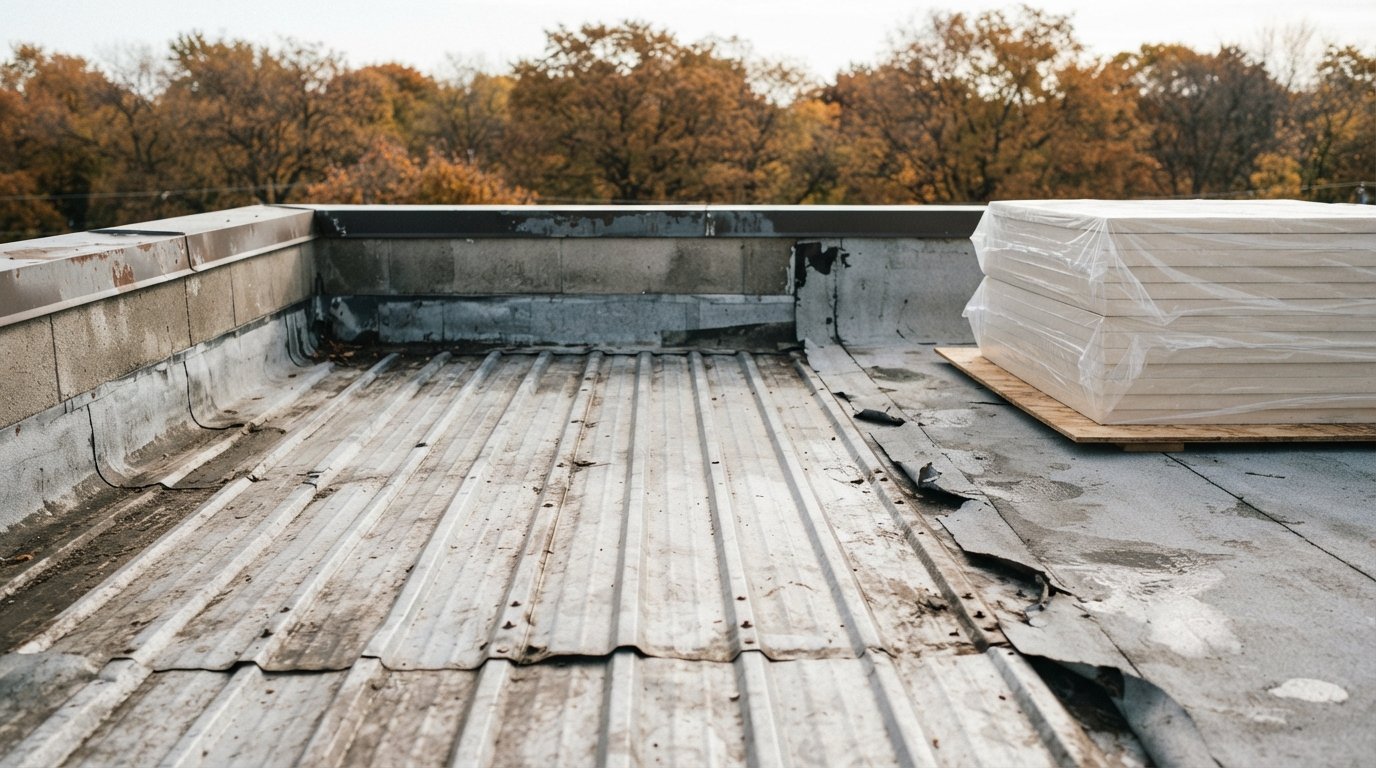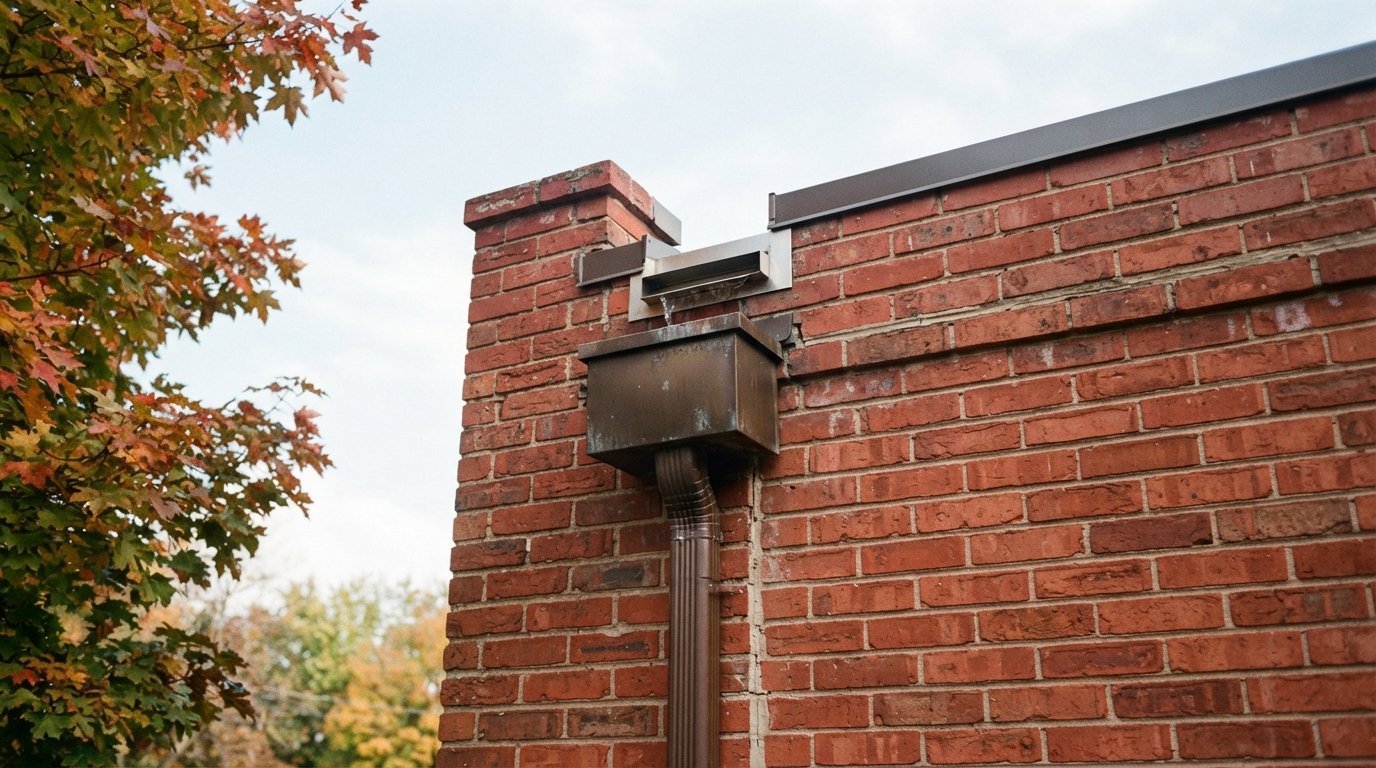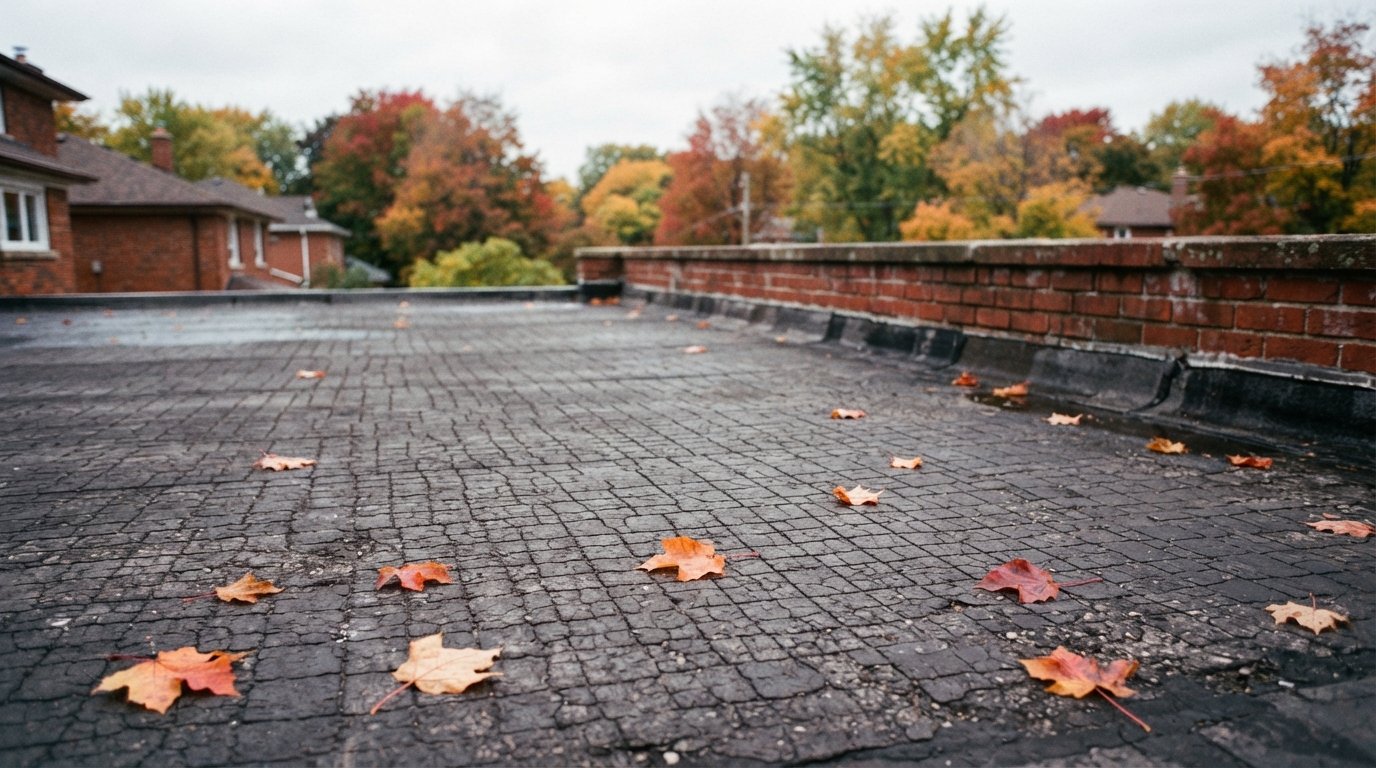

If you have noticed a bubbled seam, a soft patch of ceiling drywall, or a faint musty smell after a summer rainstorm, you may already be dealing with flat roof membrane seam failure. Understanding flat roof membrane seam failure causes in Toronto is the first step toward protecting your home or commercial building from expensive water damage. Toronto’s mix of intense summer heat, sudden downpours, and older roofing installations makes seam failure one of the most common reasons flat roofs leak across the GTA. At Flat Roofs Toronto, we inspect and repair failed membrane seams on residential and commercial properties every week, and the patterns behind these failures are almost always predictable once you know what to look for.
In this guide, we break down exactly why membrane seams fail, how Toronto’s climate accelerates the problem, the warning signs property owners tend to miss, and the repair paths that actually solve the issue rather than masking it for a season.
What Is Flat Roof Membrane Seam Failure?
Flat roof membrane seam failure happens when the joints between two sheets of roofing membrane separate, crack, or lose their watertight bond. Unlike a sloped shingle roof, a flat roof relies almost entirely on a continuous, fully sealed membrane surface to keep water out, so any weak seam becomes an immediate entry point for moisture. Whether your roof uses modified bitumen, TPO, EPDM, or a built-up system, the seams are engineered to be the strongest part of the assembly. When flat roof membrane seam failure occurs, it is usually a sign that the seam was compromised during installation, has been degraded by age and weather, or is being stressed by movement in the building structure below.
Understanding flat roof membrane seam failure causes in Toronto specifically matters because our climate cycles between extreme summer heat, humidity, and heavy rainfall, all of which place unique stress on seam adhesives and welds that a milder climate would not experience to the same degree.
Common Causes of Flat Roof Membrane Seam Failure in Toronto
Most flat roof membrane seam failure cases we investigate in the GTA trace back to a handful of recurring causes. Poor workmanship during the original installation is the single biggest contributor, followed closely by material age, ponding water, and thermal stress. A seam that was not properly heat-welded or adhered with enough overlap will often show signs of separation within just a few years, long before the rest of the membrane has reached the end of its service life.
The table below summarizes the leading causes of flat roof membrane seam failure we see on Toronto properties, along with how often each one appears in our inspection reports.
| Cause of Seam Failure | How It Develops | Typical Timeline | Risk Level |
|---|---|---|---|
| Improper installation or welding | Insufficient heat, pressure, or overlap during seam bonding | Can appear within 1-3 years | High |
| Ponding water | Standing water breaks down seam adhesive and membrane fibres | 3-7 years | High |
| UV and thermal cycling | Daily expansion and contraction fatigues seam bonds | 7-15 years | Medium |
| Building movement or settling | Structural shifts pull seams apart at stress points | Variable | Medium |
| Debris and foot traffic damage | Sharp edges or repeated walking loosen seam edges | Immediate to 2 years | Medium |
Notice that improper installation and ponding water are flagged as high risk. These two causes of flat roof membrane seam failure account for the majority of emergency calls we receive across Toronto, Mississauga, and the surrounding GTA. If your roof is under ten years old and already showing seam separation, faulty installation should be the first thing investigated.
How Toronto’s Climate Accelerates Membrane Seam Failure
Toronto’s weather pattern is uniquely hard on flat roofs. Summer temperatures can swing from cool overnight lows into the low 30s Celsius by mid-afternoon, and that daily expansion and contraction cycle is a major driver of flat roof membrane seam failure causes across Toronto rooftops. Membrane materials expand when heated and contract as they cool, and seams are the weakest point in that movement. Over hundreds of cycles each summer, even a well-installed seam can begin to fatigue.
Humidity and sudden summer thunderstorms compound the problem. Water that finds its way into a partially failed seam gets trapped beneath the membrane, where it continues to degrade the adhesive from underneath even when the surface looks dry. This is why so many cases of flat roof membrane seam failure are discovered only after interior water stains appear, well after the underlying damage has already spread.
Different membrane types respond to Toronto’s climate differently, which is why material selection matters as much as installation quality when preventing seam failure.
| Membrane Type | Seam Method | Heat Resistance | Typical Seam Lifespan |
|---|---|---|---|
| TPO (Thermoplastic Polyolefin) | Hot-air welded | Excellent | 15-20 years |
| Modified Bitumen | Torch-applied or self-adhered | Good | 12-18 years |
| EPDM (Rubber) | Adhesive tape or liquid seal | Fair to Good | 10-15 years |
| Built-Up Roofing (BUR) | Layered asphalt and felt | Fair | 15-20 years |
EPDM systems that rely on adhesive tape seams tend to show flat roof membrane seam failure earlier than welded systems like TPO, simply because tape bonds are more sensitive to surface contamination and installer technique. If your Toronto property has EPDM roofing older than ten years, seam inspections should become part of your annual maintenance routine.
Warning Signs of Membrane Seam Failure You Should Never Ignore
Catching flat roof membrane seam failure early is almost always cheaper and less disruptive than waiting for a full leak to develop. The most common early indicators include visible seam lifting or bubbling, a spongy feel when walking the roof surface, discoloured or stained ceiling tiles below the roofline, and a musty odour in the top floor of the building. Ponding water that lingers for more than 48 hours after rainfall near a seam line is also a strong predictor of coming seam failure, since that standing moisture is actively working against the bond.
Property owners frequently mistake early flat roof membrane seam failure for a minor cosmetic issue and delay repairs until a storm forces the problem into the open. By that point, water has often travelled well beyond the original seam, damaging insulation, decking, and interior finishes. A proactive inspection through residential flat roof installation and maintenance services, or commercial flat roof installation service plans for larger buildings, catches these signs before they become structural.
Repair Versus Replacement: Fixing Flat Roof Membrane Seam Failure
Not every case of flat roof membrane seam failure requires a full roof replacement. In many situations, a targeted seam repair using heat-welding, new adhesive, or a reinforced patch can restore the watertight seal for years. However, when seam failure is widespread across the roof, or when the membrane itself is already brittle and beyond its expected service life, patching individual seams becomes a temporary fix that leads to repeat failures elsewhere.
The table below outlines when repair makes sense versus when full replacement is the smarter long-term investment.
| Situation | Recommended Approach | Estimated Lifespan Added | Cost Relative to Replacement |
|---|---|---|---|
| Isolated seam failure, membrane under 10 years old | Targeted seam repair | 5-10 years | 10-20% |
| Multiple failed seams, membrane 10-15 years old | Full seam re-welding and reinforcement | 3-7 years | 25-40% |
| Widespread seam failure, membrane past 15 years | Full membrane replacement | 15-20 years | 100% |
| Seam failure with wet insulation underneath | Replacement with insulation upgrade | 15-20 years | 100%+ |
An accurate diagnosis is essential before deciding how to address flat roof membrane seam failure causes on your Toronto property. A licensed technician can core-cut a small test section to check whether moisture has already reached the insulation layer, which changes the entire scope of the repair. If your building is losing water at multiple points, our emergency roof repair team can stabilize the situation immediately while a longer-term plan is developed.
Protecting the Rest of the Roof System From Seam Failure Damage
Flat roof membrane seam failure rarely stays contained to the membrane alone. Water that enters through a failed seam travels along the roof deck and often pools around penetrations such as skylights, vents, and drains, accelerating damage in those areas too. If your building has existing skylights, seam failure nearby should prompt an inspection of the flashing around residential skylights or commercial skylights, since flashing seams fail for many of the same reasons membrane seams do.
Once water has been trapped under a membrane long enough, it typically saturates the insulation board below, which is one of the costliest side effects of untreated flat roof membrane seam failure. Wet insulation loses its R-value and can no longer keep the building envelope efficient, which is why our teams often pair seam repairs with attic insulation assessments on residential properties to confirm no hidden moisture has spread beyond the roofline.
Preventing Future Flat Roof Membrane Seam Failure
Prevention is far less expensive than emergency repair when it comes to flat roof membrane seam failure. Toronto property owners who schedule biannual roof inspections, in spring and again in late summer, catch the majority of seam issues before they become active leaks. Keeping the roof surface clear of debris, ensuring drains are not blocked, and avoiding unnecessary foot traffic near seam lines all reduce the mechanical stress that contributes to seam failure over time.
For commercial properties, a documented maintenance log also matters for insurance and warranty purposes. Many membrane manufacturers require proof of regular inspection to honour a warranty claim related to flat roof membrane seam failure, so keeping photographic records of each inspection protects your investment even if a seam does eventually need repair.
You can see examples of completed seam repairs and full membrane replacements across the GTA in our gallery, which shows the difference proper seam work makes on both residential and commercial flat roofs.
Frequently Asked Questions About Flat Roof Membrane Seam Failure
Documenting Seam Failure for Insurance and Warranty Claims
When flat roof membrane seam failure is caught early, documentation matters almost as much as the repair itself. Photographing the affected seam, noting the date the issue was first observed, and keeping a copy of the original installation invoice all strengthen any warranty claim against the installing contractor or the membrane manufacturer. Many commercial membrane warranties require proof that the roof has been inspected on a regular schedule, so skipping annual inspections can inadvertently void coverage even when the seam failure itself is a legitimate manufacturing or installation defect.
For insurance claims related to storm-driven seam failure, adjusters typically want to see a clear timeline showing when the roof was last inspected and confirmed sound, since this helps distinguish sudden storm damage from gradual wear that may fall outside a policy’s coverage. Keeping this kind of record on file, even informally, can meaningfully speed up a claim and reduce disputes over the true cause of a seam failure.
What are the most common flat roof membrane seam failure causes in Toronto?
How can I tell if my flat roof has a failed membrane seam?
Does Toronto’s climate really increase flat roof membrane seam failure?
Can a failed membrane seam be repaired without replacing the whole roof?
What happens if flat roof membrane seam failure is left unrepaired?
How often should Toronto property owners inspect for membrane seam failure?
Get Expert Help With Flat Roof Membrane Seam Failure in Toronto
If you suspect flat roof membrane seam failure on your property, the safest move is a professional inspection before the next heavy rainfall. Flat Roofs Toronto has diagnosed and repaired flat roof membrane seam failure causes across Toronto for residential and commercial buildings of every size, from isolated seam patches to full membrane replacements.
Call us today at (647) 333-3528 or request a free inspection to get started.
Flat Roofs Toronto proudly serves Toronto, Mississauga, Markham, Vaughan, Brampton, Oakville, and Burlington.