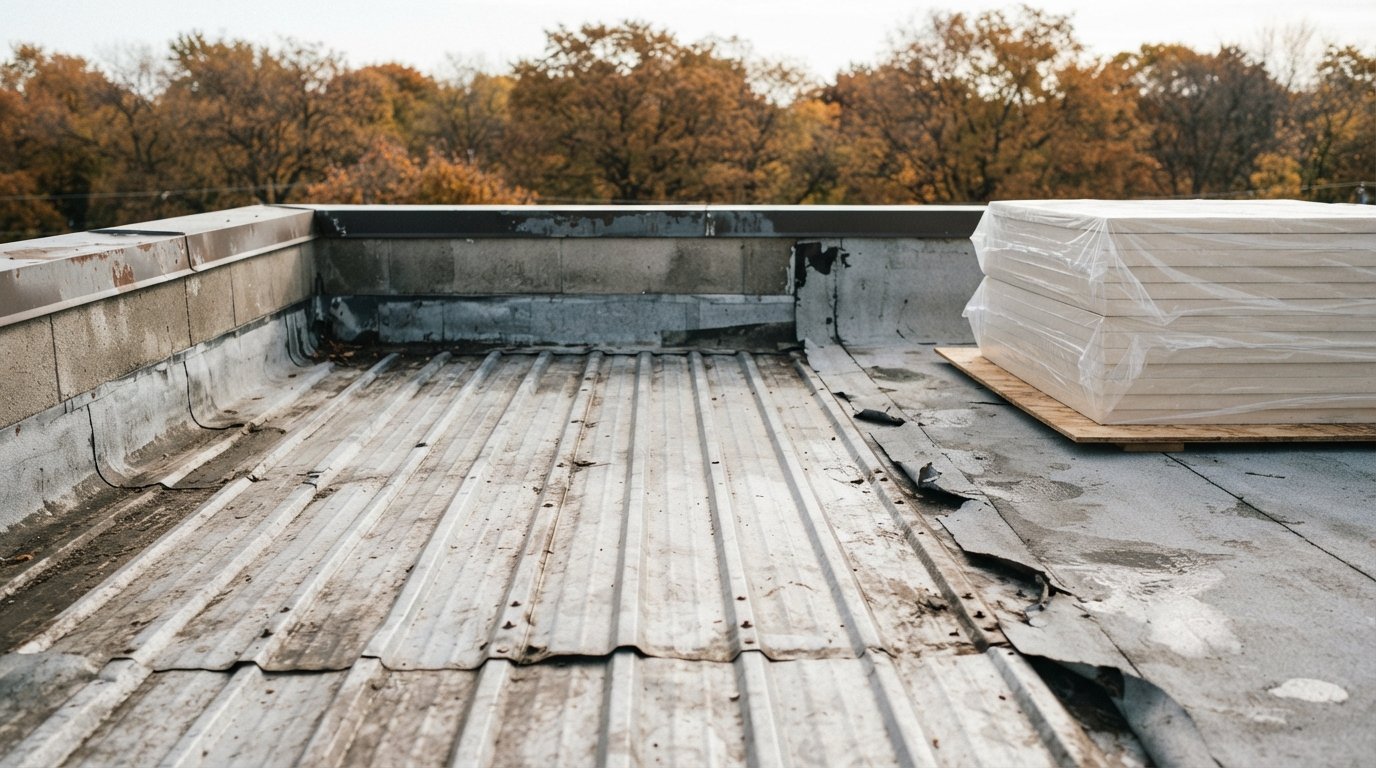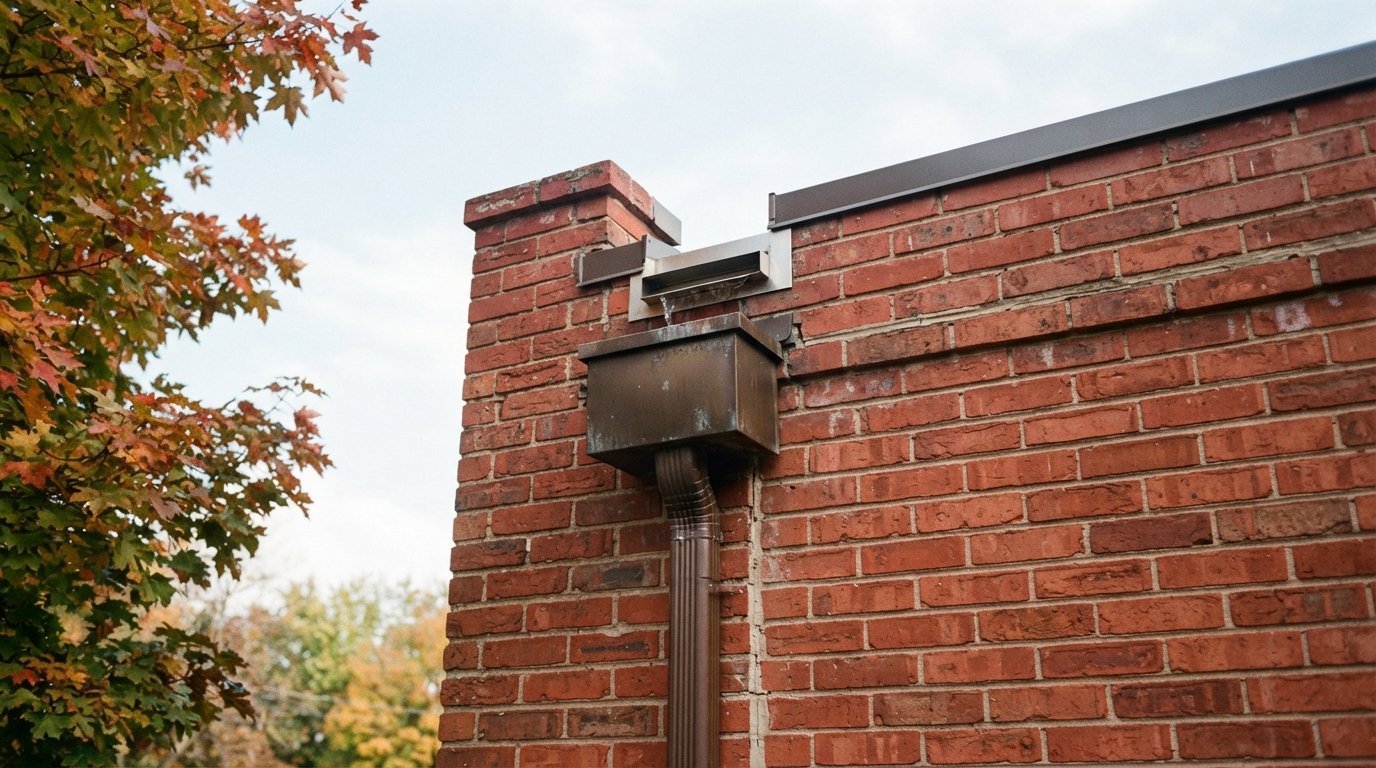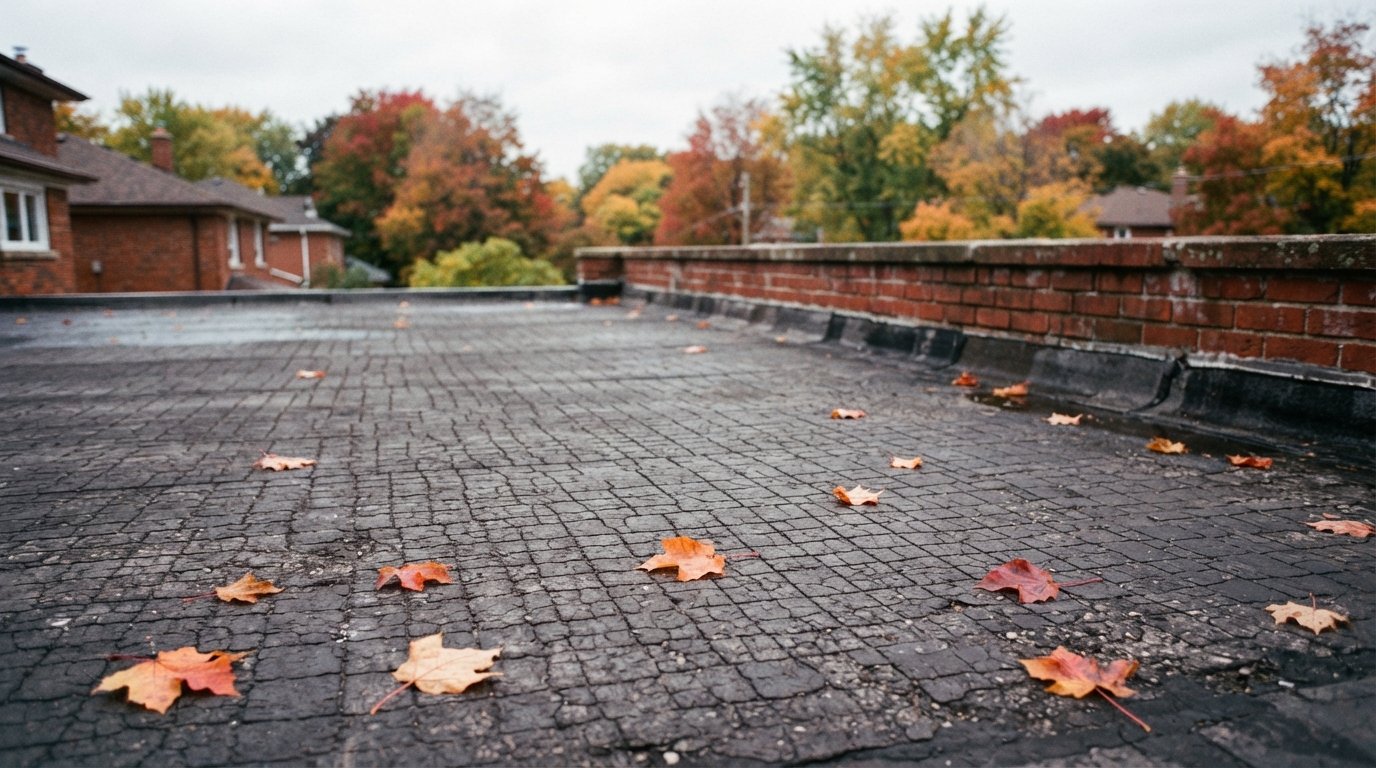
The concrete and steel skyline of the Greater Toronto Area is undergoing a massive, legally mandated ecological transformation. A “Green Roof” is not simply scattering a few potted plants onto a patio; it is a highly engineered, brutal structural intervention where a living, breathing, biological ecosystem is mathematically integrated directly on top of a highly advanced waterproof roofing membrane. Spurred by aggressive municipal bylaws and a desperate need to combat catastrophic urban stormwater flooding, green roofs are rapidly becoming the absolute standard for premium commercial high-rises and luxury custom homes in Toronto. Flat Roofs Toronto specializes in the intense structural waterproofing required to safely bear the crushing weight of a living roof. This authoritative 2026 guide breaks down the crippling costs, the intense structural demands, and how to exploit massive government cash subsidies to fund your ecological conversion.
The 2026 Economics of Green Architecture
Engineering a roof specifically designed to hold thousands of pounds of wet soil and withstand the aggressive, penetrating force of living plant roots commands a heavy premium over standard flat roofing.
| Green Roof Classification | Expected 2026 Cost (Per Sq Ft) | Structural Weight (Saturated) | Maintenance Intensity |
|---|---|---|---|
| Extensive (Sedum/Moss, 2-6″ soil depth) | $18 to $35 | 15 to 35 lbs/sq ft | Extremely Low (2 visits per year) |
| Semi-Intensive (Grasses/Perennials, 6-12″ depth) | $35 to $55 | 35 to 60 lbs/sq ft | Moderate (Regular irrigation checks) |
| Intensive (Full Garden, Trees, 12″+ depth) | $55 to $110+ | 80 to 150+ lbs/sq ft | High (Requires a dedicated gardener) |
The Crucial Add-On: These estimates generally encompass the specialized waterproof membrane, the heavy plastic root barrier, complex drainage mats, engineered soil, and the vegetation itself. What is never included in base quotes is the massive structural steel reinforcement your building practically requires to safely hold the extreme, crushing weight of saturated soil.
Toronto’s Aggressive Green Roof Bylaw
The City of Toronto is ruthlessly serious regarding the urban heat island effect and collapsing sewer infrastructure. They were the first major city in North America to deploy a legally aggressive, mandatory green roof bylaw.
Mandatory Execution: If you are constructing a new commercial, institutional, or massive residential complex boasting a gross floor area exceeding 2,000 square metres, the city absolutely mandates you cover 20% to 60% of your total available roof space with a highly functional green roof. There is no negotiation; if you refuse, you will not receive a building permit.
The Massive Eco-Roof Bailout: To offset this brutal financial mandate, Toronto deployed the Eco-Roof Incentive Program. If you are retrofitting an existing building, the city will aggressively pay you $100 per square metre (roughly $9.30 per square foot) to execute a green roof, or provide smaller subsidies for a highly reflective white cool roof. This massive municipal grant legally caps out at an astounding $100,000 per project, heavily offsetting the terrifying initial capital required.
The Heavy Science: The 7 Layers of Survival
You cannot dump topsoil onto a standard flat roof. Doing so will instantly void the warranty, crush your joists, and completely rot the building from the inside out within three months. A true Green Roof demands 7 highly precise, scientifically arranged layers:
- The Structural Deck: The foundation. Often reinforced with heavy steel I-beams or poured high-density concrete to survive the massive weight dynamic.
- Primary Waterproof Membrane: A premium, elite single-ply membrane (typically 80-mil TPO or PVC) boasting astronomically sealed, robotic hot-air welded seams. A standard asphalt roof will inevitably fail under soil moisture.
- The Root Deflection Armor: Plant roots are aggressive, microscopic drills. A heavy-duty, chemically treated high-density polyethylene (HDPE) sheet is laid down specifically to aggressively stop roots from violently boring tiny holes into the expensive waterproof membrane below.
- The Drainage Grid: A massive three-dimensional plastic dimple-board that acts as an underground river, allowing catastrophic rainfalls to rapidly channel straight to the scuppers without drowning the plant roots.
- The Filter Fabric: A highly porous geodesic mesh restricting fine silt and mud from washing out of the soil and catastrophically plugging the drainage grid below.
- Engineered Growing Medium: Rarely actual dirt. It is an intensely calculated, lightweight proprietary mix of crushed volcanic pumice, shale, perlite, and specific organic compost to retain precise moisture while shedding massive weight.
- The Vegetation: In Toronto, “Extensive” roofs heavily rely on hyper-resilient Sedum (succulents) genetically capable of surviving brutal -25°C winters and baking +35°C summer droughts without artificial irrigation.
The Hidden Dividends: Why the Wealthy Build Them
Why voluntarily spend $40,000 to plant grass on a roof? Because the return on investment (ROI) is staggering.
The Roof Immortality Clause: The number one killer of a flat roof is brutal UV thermal radiation and daily freeze-thaw cycles. By burying the $20,000 waterproof membrane underneath four inches of protective soil, you completely shield it from the sun. The membrane never violently heats up or rapidly freezes. Due to this total thermal protection, the roof’s lifespan violently explodes from the standard 20 years to an astonishing 40 to 60 years of absolute waterproof perfection.
Devastating Heating/Cooling Efficiency: Four inches of dense soil acts as a massive thermal battery. In the blazing July heat, evaporation from the plants acts as a powerful natural air conditioner, mathematically slashing commercial HVAC cooling requirements by an incredible 25% to 40%. In February, the soil provides a massive blanket of dense insulation, violently reducing expensive furnace heat loss.
The Brutal Reality of Maintenance
The greatest lie in green architecture is “maintenance-free.” If you abandon an extensive Sedum roof, aggressive, deep-rooted invasive weeds (like thistles or maple saplings blown by wind) will colonize it. Their massive taproots will pierce the armor and violently destroy the waterproofing. You must aggressively enforce a maintenance contract requiring technicians to summit the roof precisely twice a year to ruthlessly yank out invasive species, verify irrigation valves, clear massive mud blocks from internal drains, and forcefully apply highly specialized, slow-release architectural fertilizers.
Building a successful green roof is a hybrid act of massive heavy engineering and delicate botanical science. Contact Flat Roofs Toronto immediately to engage our elite structural engineers and waterproofing technicians. We will heavily map the load-bearing realities of your building, seamlessly integrate an impenetrable membrane, and assist you in aggressively extracting maximum grant subsidies from the City of Toronto.