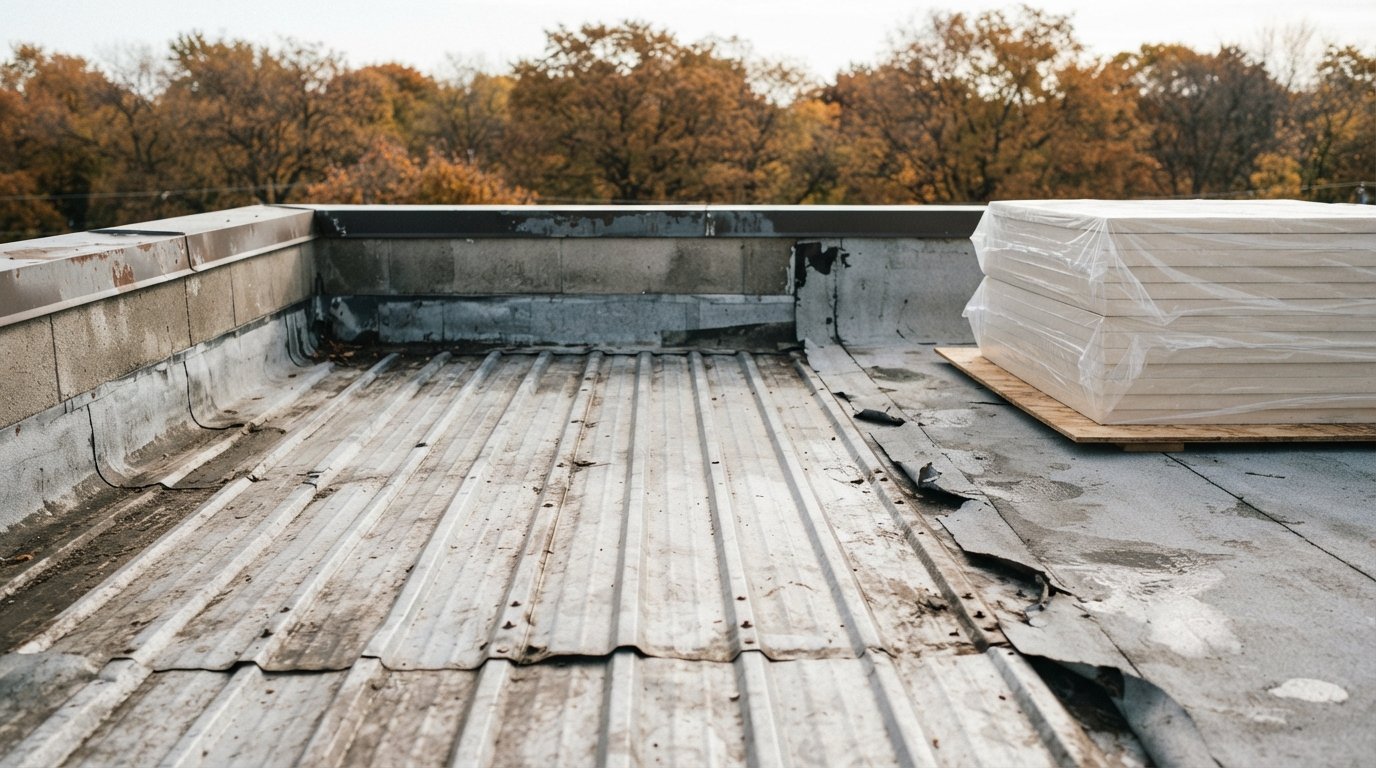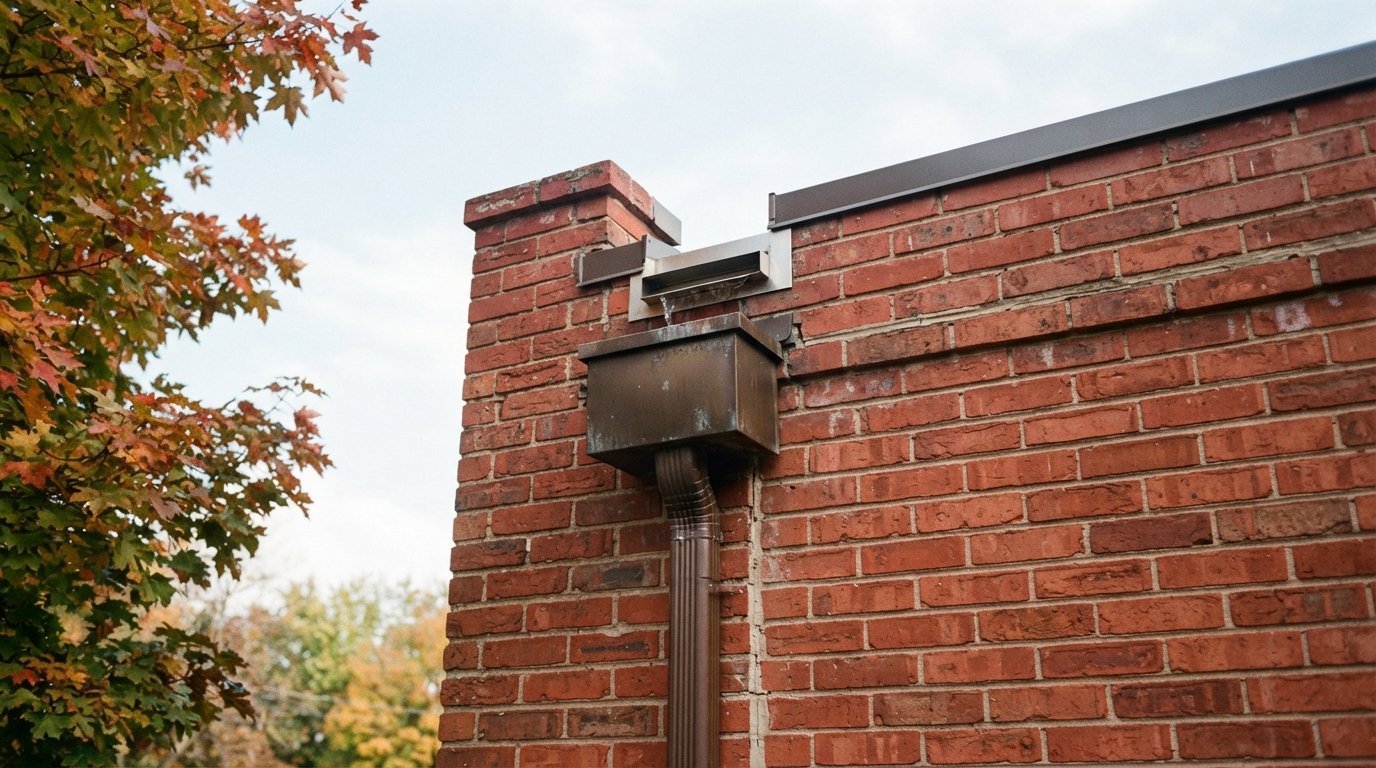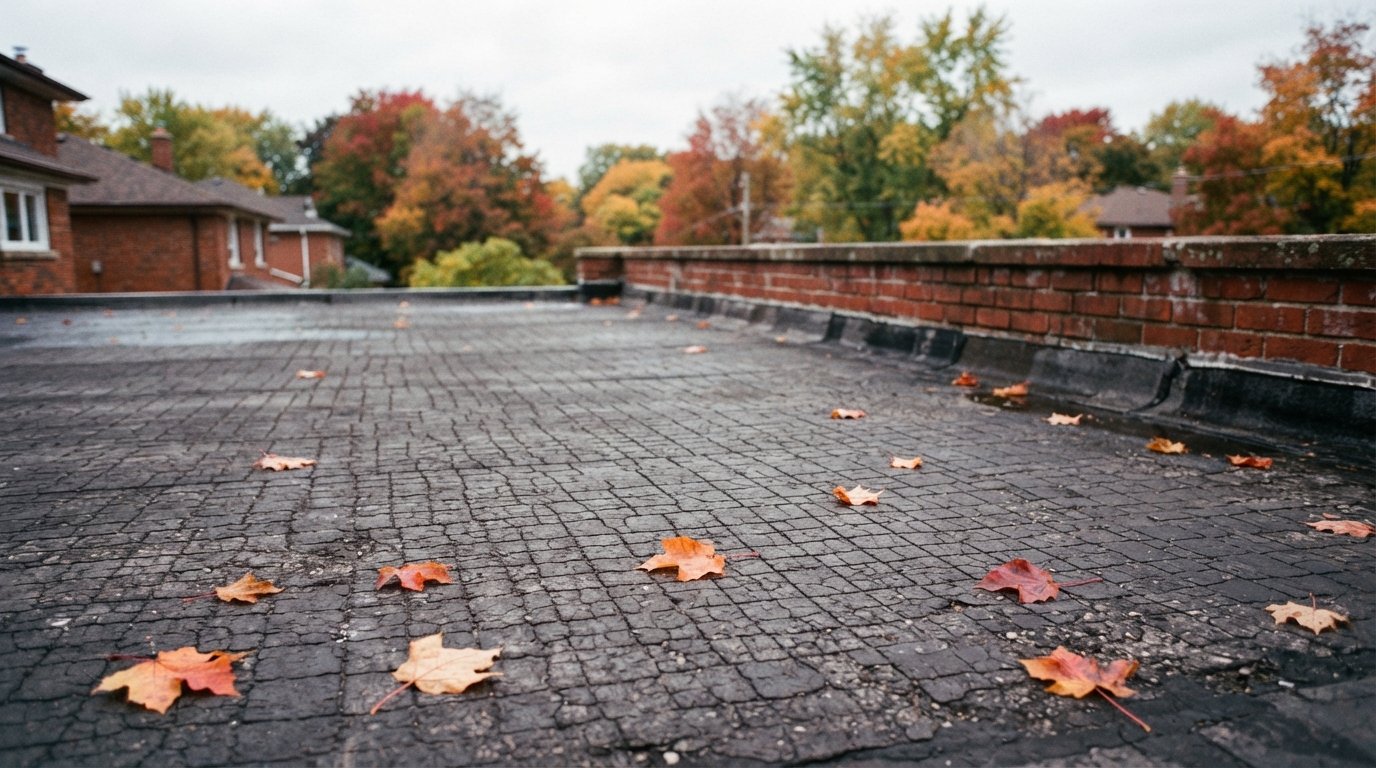

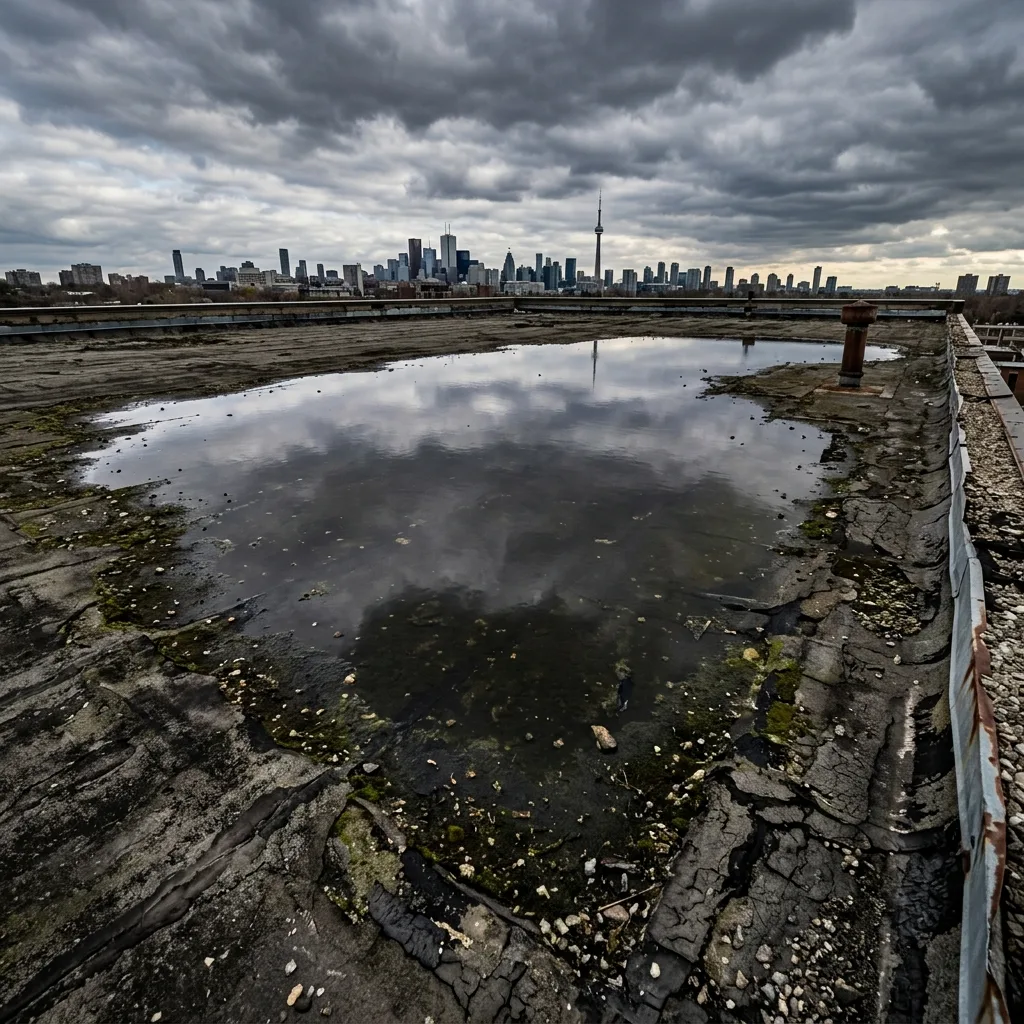
There is a terrifying, highly destructive visual queue that strikes absolute fear into the hearts of experienced commercial property managers and ultra-luxury homeowners across the Greater Toronto Area. Three days after a massive, violent summer thunderstorm has completely passed, the sun is shining brilliantly, yet a massive, dark, 3-inch deep puddle of water remains completely stagnant in the dead center of the sprawling flat roof. This is not a harmless puddle; it is a highly aggressive, relentlessly destructive architectural anomaly known as “Ponding Water.” The roofing industry strictly defines ponding water as any standing pool that remains on a roof deck 48 hours after precipitation has ceased. If left unaddressed, this massive pool of stagnant water will execute a highly predictable, catastrophic sequence of structural destruction, violently crushing the heavy steel trusses, aggressively dissolving the rubber membrane, and ultimately guaranteeing a multi-million dollar interior flood. Flat Roofs Toronto specializes in the elite hydraulic engineering required to aggressively, permanently eradicate standing water. This exhaustive 2026 engineering guide dissects the exact, terrifying mechanics of flat roof ponding water Toronto building owners face, exposing the lethal physics of UV magnification and detailing the absolute necessity of massive tapered insulation systems.
The Physics of Catastrophic Destruction
Ponding water does not simply “leak” randomly. It executes a systematic, multi-pronged violent assault on the massive structural integrity of the building through three undeniable laws of physics.
1. The Crushing Dead Weight (Deflection)
Water is incredibly, brutally heavy. A single cubic foot of water weighs a staggering 62.4 pounds. If a massive commercial warehouse has a wide ponding puddle that is 3 inches deep covering a 20×20 foot area, the roof is supporting over 6,000 pounds of intense, concentrated dead weight. The heavy structural steel decking and massive wooden trusses below were never engineered to support the permanent weight of three pickup trucks parked in one spot. Over years, this immense, crushing weight causes the heavy steel beams to microscopically bend downward. This is known as “deflection.” As the roof violently sags, the “bowl” gets even deeper, which catches even more thousands of gallons of water during the next storm. It is a catastrophic, accelerating death spiral that frequently ends in a sudden, violent, lethal roof collapse during a massive winter snowstorm.
2. The Searing UV Magnifying Glass
During a blistering 35°C July afternoon in Toronto, the intense, searing solar radiation blasts the massive roof. If you have a clear puddle of standing water on a TPO or EPDM membrane, that water acts exactly like a massive, highly efficient magnifying glass. It violently concentrates and intensifies the destructive UV rays directly onto the delicate rubber polymers beneath the surface. This magnified solar assault aggressively “cooks” the membrane, causing the crucial plasticizers to violently burn off. The rubber prematurely dries out, turns brittle, and severely cracks, completely destroying its waterproof capability decades before its engineered lifespan.
3. The Intense Hydrostatic Pressure
A properly pitched roof allows water to effortlessly slide over the heat-welded seams using gravity. When thousands of gallons of water are permanently standing in a deep pool, they exert massive, constant “hydrostatic pressure” aggressively pushing downward and outward against the tiny edges of the rubber seams. If there is a single microscopic pinhole or a slightly fatigued section of old EPDM seam tape, this massive, relentless hydraulic pressure will violently force the water straight through the membrane, causing a catastrophic, massive flood directly into the sensitive interior drywall or commercial server room.
| The Physics of Ponding Water | The Mechanism of Destruction | The Ultimate Structural Consequence |
|---|---|---|
| Massive Structural Dead Weight | 62.4 lbs per cubic foot forces heavy steel trusses to physically sag. | Accelerating deflection creating deeper bowls, risking total, violent roof collapse. |
| Aggressive UV Magnification | Clear water concentrates searing solar radiation like a magnifying glass. | Violently bakes the TPO rubber, causing it to prematurely crack and shatter. |
| Relentless Hydrostatic Pressure | Standing water aggressively, constantly pushes against the membrane seams. | Micro-fissures are violently breached, causing massive, unstoppable interior flooding. |
| Winter Freeze Expansion | The massive puddle freezes solid during a brutal -20°C January night. | The expanding ice block physically, violently rips the delicate rubber membrane apart. |
Diagnosing the True Root Cause
To execute a permanent, elite architectural fix, the roofing engineer must first violently diagnose exactly why the massive puddle refuses to drain. There are three primary suspects in a flat roof ponding water Toronto investigation:
1. The Catastrophically Clogged Drain: This is the most common and easiest to fix. During a violent autumn storm, thousands of wet, heavy oak leaves and massive branches are blown onto the roof, completely suffocating the massive cast iron interior drains. The roof physically cannot drain and acts like a plugged bathtub. An aggressive, violent maintenance sweep to clear the heavy cast iron grates frequently resolves the issue instantly.
2. Crushed or Improperly Set Insulation: When the roof was originally built, the heavy rigid foam insulation may have been installed incorrectly, creating an accidental low spot. Alternatively, massive, heavy foot traffic from HVAC technicians dropping heavy steel compressors may have violently crushed the dense foam, creating a permanent structural bowl that traps water miles away from the main drains.
3. Absolute Zero Structural Pitch: This is the most terrifying, astronomically expensive cause. The original architect designed the massive concrete or heavy steel deck to be completely, perfectly mathematically level, and the original cheap roofer failed to install an artificially sloped insulation system. The massive building has absolutely zero gravitational ability to shed thousands of gallons of rainwater.
The Elite Engineering Solutions
If the massive drain is perfectly clear but the deep ponding water remains, patching the roof with cheap silicone caulking is a catastrophic, utterly useless endeavor. You must fundamentally alter the massive hydraulic geometry of the roof.
The Surgical Strike: Supplementary Drains
If the ponding water is violently isolated to one incredibly deep, specific structural bowl (often caused by heavy deflected steel), the most aggressive, highly efficient solution is a surgical strike. Elite technicians violently cut a brand new hole directly through the massive rubber membrane and the heavy steel deck at the absolute lowest point of the puddle. We install a massive, heavy-duty cast iron roof drain and connect it to a brand new interior plumbing drop pipe. This instantly, aggressively sucks the standing water entirely out of the massive bowl.
The Absolute Mandate: Tapered Polyiso Insulation
If the entire sprawling 50,000 square foot facility is holding dozens of massive puddles because the roof deck is mathematically flat, there is only one legally compliant, architecturally invincible solution: a complete, violent structural tear-off and the installation of a massive “Tapered Polyiso” insulation system.
The specialized commercial crew rips the old, failed roof completely off. We then install an incredibly complex, massive geometric puzzle of highly advanced rigid foam boards. These massive Polyiso boards are meticulously manufactured with a built-in aggressive angle (frequently a 1% to 2% slope). By laying these angled boards precisely across the entire massive deck, we artificially construct a perfect, highly aggressive slope that forces every single drop of water to violently flow directly toward the massive scuppers or interior drains. This elite engineering mathematically eradicates ponding water forever.
| Root Cause of Ponding Water | The Prescribed Architectural Intervention | The Structural Outcome |
|---|---|---|
| Massive Debris Clogging the Drain | Aggressive, violent preventative maintenance to clear all massive cast iron grates. | Instantly restores the massive hydraulic flow. Highly cost-effective. |
| Isolated Structural Bowl (Sagging Deck) | Surgically installing a brand new, heavy-duty interior drain directly in the deep puddle. | Aggressively evacuates the trapped water without requiring a massive roof tear-off. |
| Crushed Insulation near HVAC | Violently cutting out the crushed foam and replacing it with incredibly dense cover-boards. | Restores the flat plane, preventing water from trapping near vulnerable heavy machinery. |
| Entire Roof is Mathematically Level | Mandatory Tear-Off and installation of a massive Tapered Polyiso insulation system. | The absolute elite gold standard. Artificially creates a perfect slope, permanently destroying ponding. |
When Does Ponding Mandate a New Roof?
A small, 1/4-inch deep puddle that evaporates in 72 hours is an aesthetic annoyance. However, if a massive commercial facility holds huge, 3-inch deep lakes that remain stagnant for weeks, the building owner is facing an imminent, catastrophic structural disaster. If an advanced infrared thermal drone scan reveals that the thousands of gallons of standing water have violently breached the microscopic seams and severely soaked the massive rigid foam insulation below, patching the roof is structurally reckless.
Once the massive insulation is saturated, it loses 100% of its thermal resistance, driving commercial HVAC bills into the stratosphere. Furthermore, the trapped water is violently rusting the heavy load-bearing steel deck from the inside out. In this terrifying scenario, the incredibly expensive, highly disruptive complete commercial flat roof replacement is no longer a choice; it is an absolute, non-negotiable structural mandate to prevent the entire massive building from violently collapsing.
The financial implications of ignoring massive ponding water are absolutely devastating. Corporate boards frequently attempt to delay the massive capital expenditure of a full structural tear-off by demanding cheap, band-aid silicone patches over the severe puddles. This is a mathematically guaranteed path to bankruptcy. When the massive, deeply trapped water finally causes the heavy steel trusses to violently snap and the entire sprawling roof physically collapses into the warehouse, the catastrophic loss of multi-million dollar inventory, the massive legal liability for injured warehouse staff, and the total cessation of commercial operations will aggressively eclipse the original cost of a proper tapered insulation system by a staggering factor of twenty. Elite architectural intervention is the only viable corporate strategy.
| The Danger Threshold | The Visual Warning Sign | The Architectural Reality |
|---|---|---|
| Minor Aesthetic Nuisance | A 1/4-inch puddle that completely evaporates within 48 to 72 hours. | No immediate threat, but requires monitoring during massive storms. |
| Moderate Structural Risk | A 1-inch puddle that remains stagnant for weeks, growing dark algae. | The aggressive UV magnification is actively destroying the rubber membrane. |
| Critical Structural Threat | A massive 3-inch deep lake causing visible deflection in the interior ceiling. | The heavy steel trusses are actively bending under thousands of pounds of dead weight. |
| Absolute Catastrophic Failure | An infrared scan proves the foam insulation below the puddle is 100% soaked. | Immediate, violent, total structural Tear-Off is legally mandated. |
How does the commercial roofing industry explicitly define catastrophic flat roof ponding water Toronto conditions?
Why is a massive, clear puddle of water considered a highly destructive threat to my brilliant white TPO rubber membrane?
What violently happens to the heavy structural steel of my massive commercial warehouse if I ignore a deep ponding puddle?
If the massive structural concrete deck of my building is perfectly flat, how do you mathematically force the water to drain?
Can you fix a massive, isolated deep puddle without violently tearing off the entire 50,000 square foot commercial roof?
At what point does massive standing ponding water absolutely mandate a wildly expensive, complete structural roof tear-off?
Schedule Your Elite Hydraulic Engineering Diagnostic Today
Do not gamble the massive structural integrity of your property on the hope that thousands of gallons of standing water will simply evaporate. Elite flat roofing demands uncompromising, massive tapered insulation and absolute hydraulic evacuation.
Call us today at (647) 333-3528 or request a comprehensive ponding water diagnostic to discover how aggressive surgical drains and tapered foam engineering can permanently secure your absolute structural survival.
Flat Roofs Toronto has been the elite, highly technical authority for massive commercial hydraulic design, aggressive tapered insulation execution, and absolute structural waterproofing across the Greater Toronto Area for decades. From precision emergency repair to invincible TPO integration, our master craftsmen deliver uncompromising durability and absolute engineering perfection.