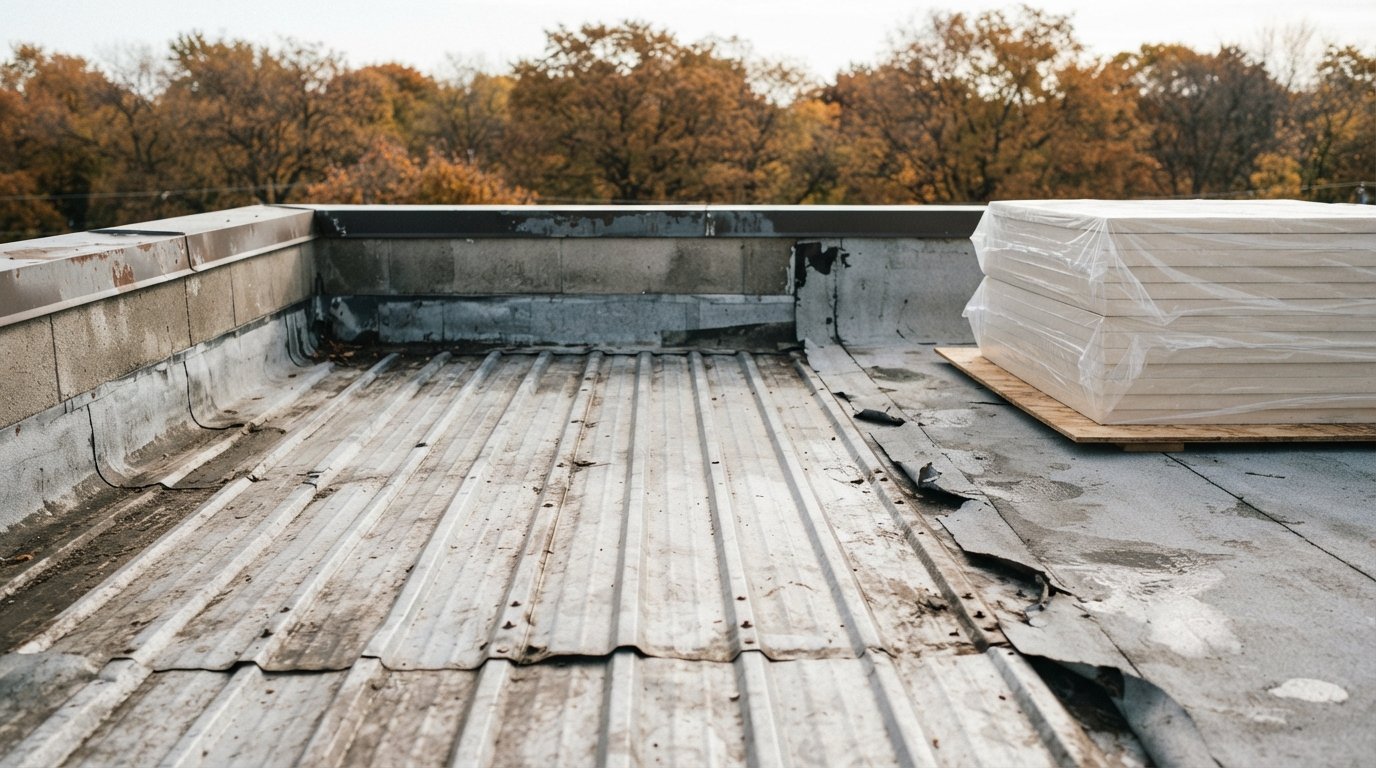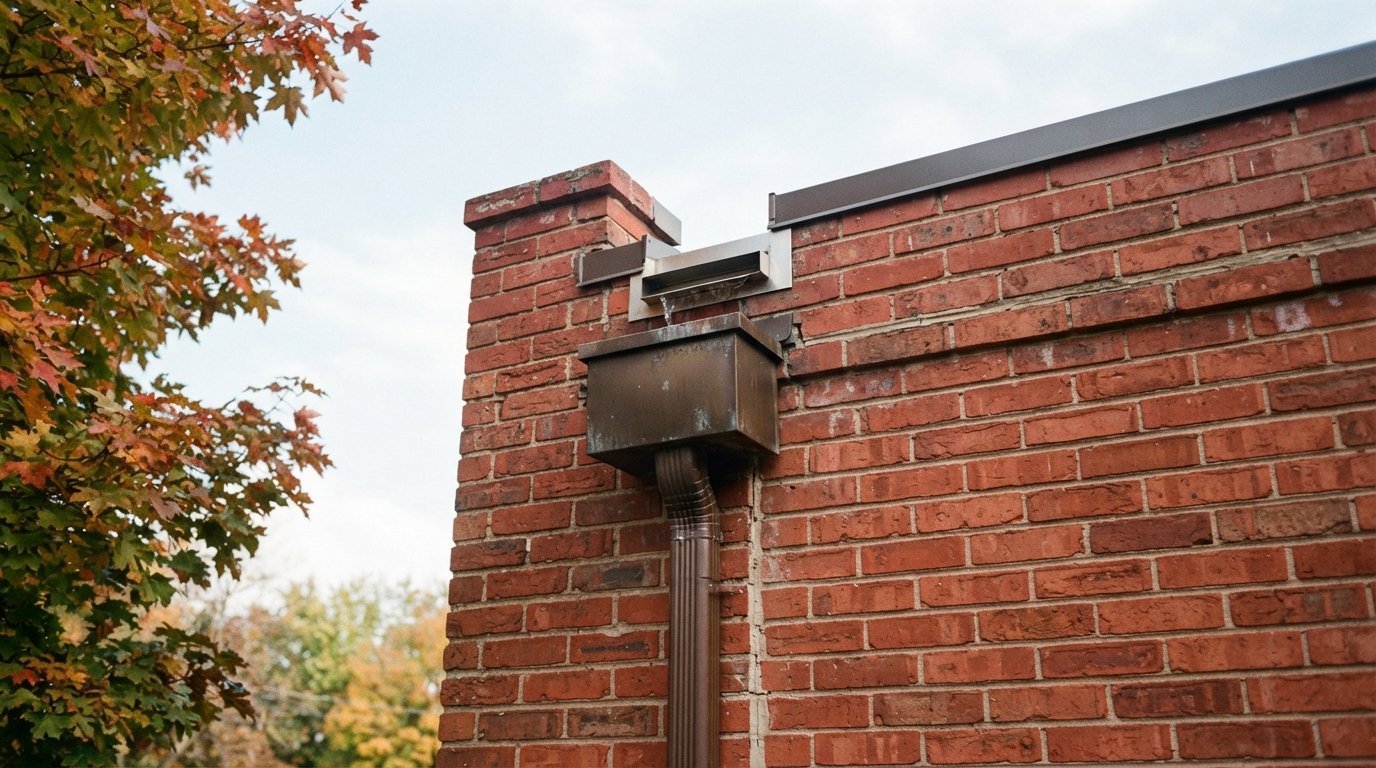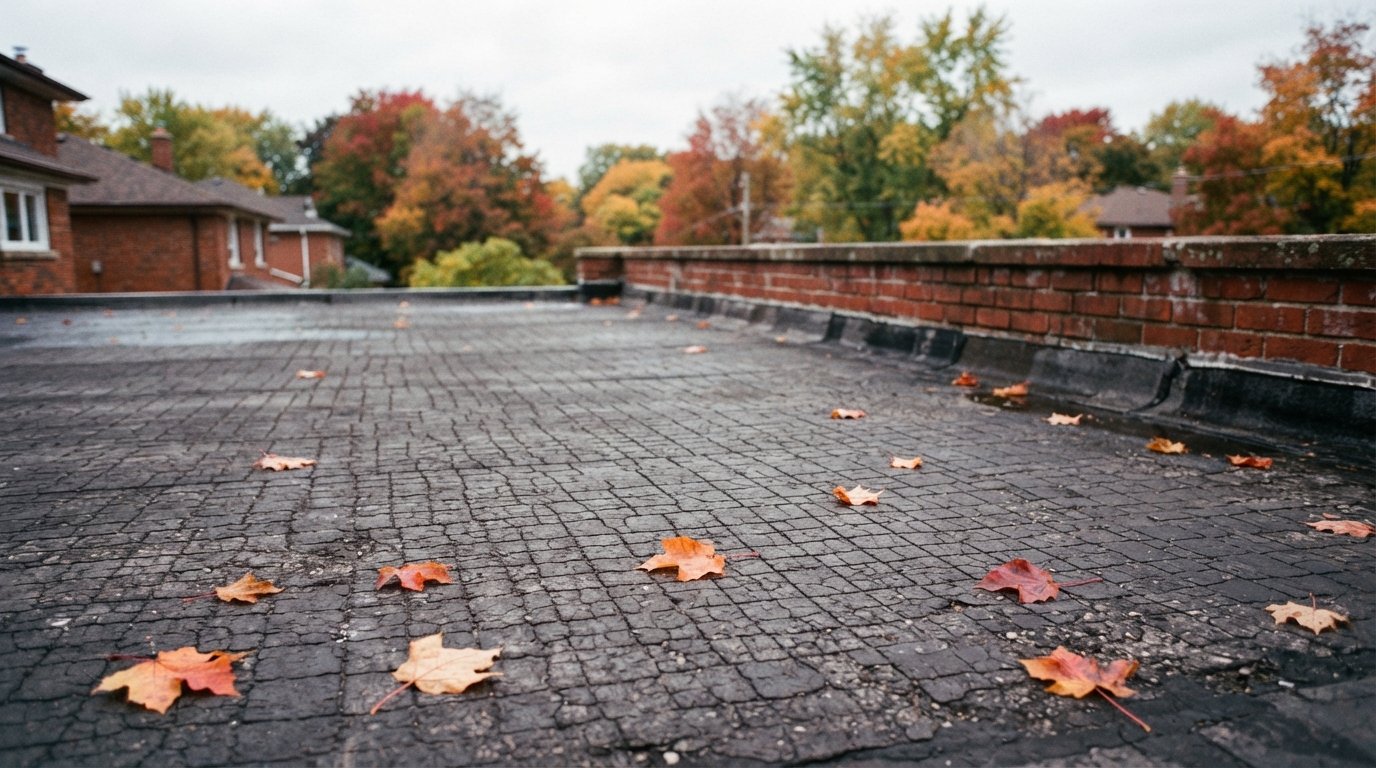

When the owner of a sprawling commercial warehouse or an ultra-luxury modern Toronto custom home stares up at their massive flat roof, they frequently fixate entirely on the flat rubber membrane. This is a massive, highly dangerous architectural distraction. The flat horizontal surface is rarely the origin point of a catastrophic, highly destructive structural flood. The true, terrifying vulnerability of a massive flat roof lies at the vertical perimeter: the incredibly complex, highly exposed parapet wall. The parapet is the short, structural masonry or wooden wall that extends vertically above the flat roof deck, acting as a massive guardrail and aesthetic façade. However, because it stands violently exposed to the brutal, searing Toronto sun, driving horizontal rain, and massive winter ice storms, the parapet takes an absolute, relentless beating. If the highly specialized, incredibly complex metal flashing systems protecting this wall fail, water does not just leak onto the roof, it violently pours straight down directly inside the massive concrete or wooden wall cavity, causing highly invisible, catastrophic structural rot. Flat Roofs Toronto specializes in the elite, highly technical engineering required to permanently armor these highly vulnerable vertical structures. This exhaustive 2026 engineering guide dissects the precise mechanics of flat roof parapet wall repair Toronto architecture, exposing the lethal danger of failed coping caps and the absolute necessity of deeply recessed metal counterflashing.
The Anatomy of Parapet Vulnerability
A massive parapet wall fails in a completely different manner than a flat rubber deck. It is a highly complex intersection of multiple vastly different building materials: structural brick/concrete masonry, flexible TPO/EPDM roofing membranes, and highly rigid sheet metal. In the brutal extremes of a Toronto winter (where the temperature swings violently from -20°C to +5°C in a single afternoon), these three distinctly different materials expand and contract at wildly different, highly aggressive rates. The heavy metal expands rapidly; the rigid brick barely moves. This violent, continuous structural friction aggressively tears apart standard caulking and rips the rubber membrane away from the wall.
Once this massive thermal friction breaches the seal, the catastrophe is highly invisible. Driving, horizontal rain does not fall onto the rubber roof; it violently hits the exposed top or face of the parapet wall. It physically bypasses the massive, expensive flat roof membrane entirely, migrating directly down the inside of the wall cavity. By the time the building owner notices massive brown water stains destroying the expensive interior drywall near the ceiling edge, the heavy structural wooden framing or steel studs inside the wall have been soaking in dark, damp water for months, breeding massive, highly toxic colonies of black mold and causing total, irreversible structural rot.
| Parapet Failure Point | The Architectural Mechanism of Failure | The Invisible Structural Consequence |
|---|---|---|
| Rusted / Missing Coping Caps | The metal lid on top of the wall is ripped off by massive 100km/h wind gusts. | Water violently pours directly down the open vertical core of the massive masonry wall. |
| Failed Base Flashing (The Corner) | The rubber pulling away from the 90-degree corner due to aggressive thermal shrinkage. | Standing ponding water violently breaches the corner, flooding the massive structural deck. |
| Cracked Masonry Mortar Joints | Decades of driving freezing rain violently erodes the brick mortar (spalling). | Water absorbs directly through the brick face, bypassing all metal roof flashing entirely. |
| Surface-Mounted Counterflashing | A cheap metal strip simply screwed to the wall and sealed with cheap caulking. | The intense summer UV violently dries the caulk, allowing water to flow behind the metal. |
The Absolute Mandate: The Metal Coping Cap
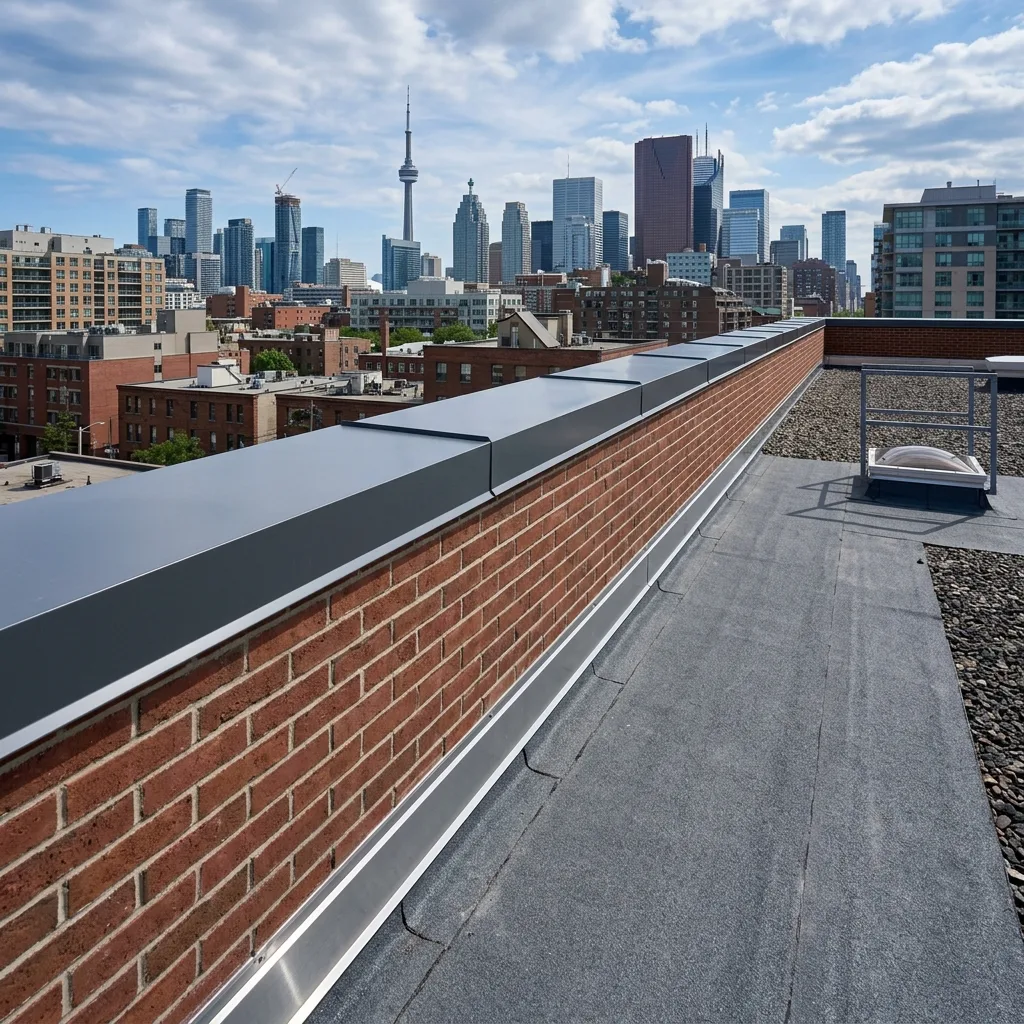
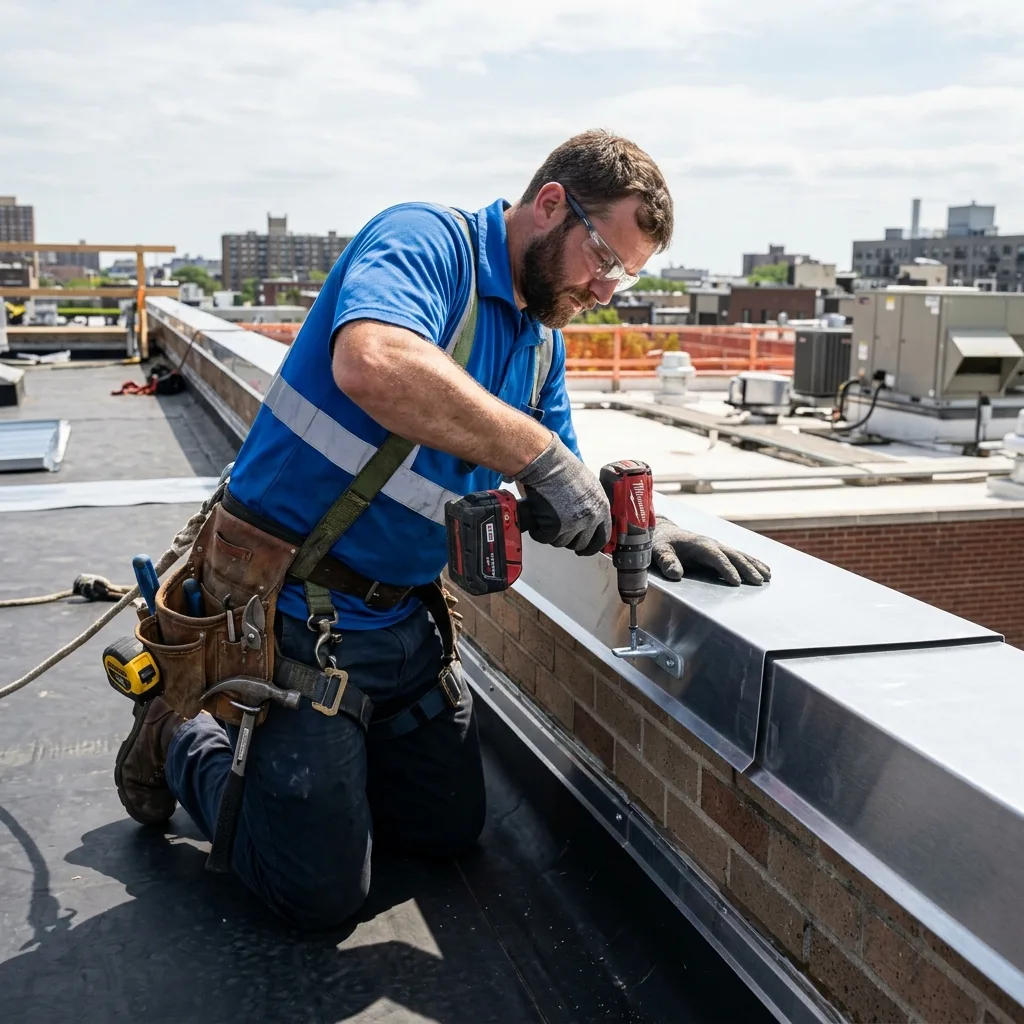
The single most critical defensive structure on any massive commercial flat roof is the Coping Cap. This is the incredibly heavy, custom-fabricated metal “lid” that physically sits entirely over the exposed top edge of the massive parapet wall. It is the absolute first line of defense against driving vertical rain and massive, heavy snow accumulation.
A flawless coping cap is never a generic, pre-bought piece of tin. Elite architectural engineering demands that a massive sheet metal brake meticulously, custom-bends heavy-duty 24-gauge galvanized steel or premium aluminum to match the exact, precise width of the specific wall. The massive cap must aggressively overhang both the interior roof side and the exterior street side of the wall by a minimum of 2 to 3 inches. This massive, aggressive overhang features a highly specific “drip edge” (a sharp downward bend) that mathematically forces the heavy rainwater to safely drip off the metal and fall away from the building, preventing the water from violently curling back under the metal and soaking the masonry face.
Furthermore, because massive coping caps act like giant airplane wings during a violent Toronto windstorm, they cannot simply be nailed down. Elite execution requires incredibly heavy, hidden continuous steel cleats to aggressively lock the massive metal cap into place, guaranteeing it will not be violently ripped off the building during a massive 120 km/h urban microburst.
The Flawless Integration: Counterflashing
If the massive flat parapet wall is incredibly tall (e.g. 4 feet high), it is frequently impossible or unnecessary to run the heavy TPO or PVC roof membrane all the way up and over the top of the wall. In these highly complex commercial scenarios, the membrane is run 12 to 18 inches up the wall and then abruptly stopped. To protect this highly vulnerable top edge of the rubber, the architect must deploy an incredibly critical piece of sheet metal known as “Counterflashing.”
There are two methods of installing counterflashing, and one is a catastrophic, mathematically guaranteed failure.
The Amateur Catastrophe: Surface Mounting
Cheap, unlicensed handymen will simply take a flat piece of metal, screw it directly flat against the brick wall over the rubber edge, and smear a massive, incredibly thick bead of cheap silicone caulking along the top edge. Within 12 months, the searing Toronto UV radiation violently dries out the caulking, causing it to aggressively crack and peel. When it rains, the water flows straight down the brick wall, passes directly behind the failed caulk, and violently pours straight behind the rubber membrane, completely bypassing the massive, expensive flat roof entirely.
The Elite Standard: Deep Reglet Cutting
To execute a flawless flat roof parapet wall repair Toronto standard, the specialized technician completely rejects caulking as a primary defense. Instead, they utilize a massive, incredibly aggressive diamond-blade masonry saw to physically cut a deep, 1-inch horizontal channel (a reglet) straight into the solid brick or mortar joint of the massive wall. The top edge of the custom-bent heavy metal counterflashing is then aggressively jammed deep inside this massive cut and locked into place with lead wedges. Because the metal is now physically recessed deep inside the solid brick, the water flowing down the wall simply washes harmlessly over the incredibly secure metal shield. This elite, highly aggressive structural engineering is mathematically invincible to standard caulk failure.
| Counterflashing Method | The Architectural Execution | The Structural Consequence |
|---|---|---|
| Amateur Surface-Mounted (Caulked) | Metal screwed flat to the brick. Sealed entirely by a bead of cheap caulking. | Catastrophic. Searing UV destroys the caulk in 12 months. Massive, invisible wall floods. |
| Elite Reglet-Cut (Recessed) | A massive diamond saw cuts a 1-inch deep channel directly into the solid brick wall. | Absolute perfection. The metal is jammed inside the brick. Water physically cannot bypass it. |
| Through-Wall Flashing | The metal shield runs completely through the entire thickness of the massive masonry wall. | The highest, most extreme level of commercial structural protection. Prevents all brick saturation. |
| Step-Flashing (For Sloped Intersections) | Individual metal L-brackets interwoven meticulously with asphalt shingles on a slope. | Forces massive volumes of water to aggressively shed downward, preventing sideways rain entry. |
The Base Tie-In: Defeating the 90-Degree Corner
The absolute highest stress point on any massive flat roof is the exact 90-degree corner where the flat horizontal roof deck violently transitions into the vertical parapet wall. When the massive building settles over decades, or when the heavy rubber membrane violently shrinks during a brutal -20°C January freeze, the rubber aggressively tries to pull away from this corner. This creates a massive “trampoline effect,” where the rubber rounds out the corner, lifting completely off the structural deck.
If a heavy HVAC technician steps on this tightened, unsupported rounded corner, the rubber will instantly, violently puncture. To defeat this massive structural stress, elite residential flat roof and commercial installations require the aggressive deployment of a “Cant Strip” and heavy-duty reinforced perimeter fastening. A cant strip is a triangular piece of wood or dense foam installed directly in the 90-degree corner, creating a gentle 45-degree ramp for the rubber to transition up the wall. Furthermore, the massive rubber sheet is violently locked into the deck using incredibly heavy steel plates and screws exactly at the base of the wall before it runs vertically. This highly aggressive mechanical anchoring guarantees that no matter how violently the membrane shrinks in the freezing cold, it physically cannot pull away from the critical parapet corner.
| Architectural Weak Point | The Standard Failure Mode | The Elite Engineering Solution |
|---|---|---|
| The 90-Degree Base Corner | Membrane shrinks and trampolines, puncturing under foot traffic. | Installing a heavy Cant Strip ramp and incredibly dense perimeter steel fastening. |
| The Top Edge of Rubber | Peels away from the wall due to dried, cracked surface caulk. | Deploying incredibly deep, diamond-cut Reglet metal counterflashing. |
| The Exposed Top Wall Cap | Wind violently rips the metal off, flooding the massive masonry wall cavity. | Installing heavy 24-gauge custom Coping Caps locked with massive continuous cleats. |
| Masonry Mortar Joints | Driving rain violently erodes the brick mortar face. | Running the massive TPO membrane completely up and entirely over the top of the wall. |
The Financial Equation: Zero Compromise Architecture
Executing an elite parapet wall fortification is not a cheap endeavor. The incredibly expensive, custom-bent 24-gauge heavy metal coping caps, the highly specialized, aggressive diamond-blade masonry cutting, and the meticulous heat-welding of the massive rubber corners demand elite, high-cost commercial sheet metal tradesmen. Attempting to save a few hundred dollars by hiring a cheap, unlicensed handyman to slap a piece of surface-mounted tin and a tube of silicone against a massive commercial brick wall is the absolute definition of a catastrophic financial error. It guarantees a highly invisible, massive structural flood that will rot the internal wall framing and destroy the massive facility from the inside out. Investing the necessary capital to execute a flawless, highly recessed metal system guarantees absolute, ironclad watertight integrity for the massive perimeter of the property for decades.
Why is the short, vertical “parapet wall” considered the most highly vulnerable, dangerous point on my massive commercial flat roof?
What is a massive metal “Coping Cap,” and why must it aggressively overhang the edges of my parapet wall?
Why is it a catastrophic architectural error to simply screw metal flashing flat against my brick wall and seal it with silicone caulking?
What is the absolute elite, invincible method for installing metal “counterflashing” on a massive brick wall?
What causes the thick rubber membrane to violently pull away from the 90-degree corner of my parapet wall during winter?
Can you install a massive commercial skylight directly adjacent to a high, vulnerable parapet wall?
Schedule Your Elite Parapet Fortification Today
Do not allow a massive, highly expensive flat roof to be catastrophically defeated by amateur, caulked-on perimeter flashing. Elite architectural protection demands aggressive, diamond-cut masonry integration and incredibly heavy custom sheet metal.
Call us today at (647) 333-3528 or request a comprehensive parapet wall structural diagnostic to discover how massive recessed counterflashing and incredibly rigid coping caps can permanently secure the perimeter of your commercial property.
Flat Roofs Toronto has been the elite, highly technical authority for massive commercial sheet metal fabrication, aggressive masonry reglet cutting, and absolute structural waterproofing across the Greater Toronto Area for decades. From precision emergency repair to invincible parapet fortification, our master craftsmen deliver uncompromising durability and absolute engineering perfection.