

Home / Commercial Flat Roofing
Commercial
Commercial Flat Roof Installation in Toronto and the GTA
Warehouses, plazas, condo podiums, offices and industrial buildings. We plan the sequencing so the business underneath stays open, and we finish the roof so nobody has to think about it again for a long time.
What you get from Flat Roofs Toronto
Occupied Buildings
Phased so the tenants keep trading.
Free No-Obligation Quotes
Full scope and number before you commit.
Manufacturer & Workmanship Warranties
System warranties on the materials, ours on the install.
24/7 Emergency Response
Because a plaza roof cannot wait until Monday.
A Commercial Roof Is a Logistics Problem With Roofing Attached
The membrane on a 40,000 square foot warehouse is not fundamentally harder to install than the one on a garage. What makes commercial work different is everything around it: staging materials without blocking a loading dock, keeping a tenant trading while the roof over their stockroom is open, working around rooftop units that cannot be shut down, protecting the interior when the forecast turns, and leaving the site clean every single evening.
Property managers and building owners call us because we plan that part before we quote it. We walk the roof, map the drains and the equipment, work out how the job gets sequenced section by section, and tell you what each phase means for the people underneath. Then we price it. A commercial quote that does not describe the sequencing is not really a quote.
Flat Roofs Toronto is a flat roofing specialist rather than a general roofer, which is what makes that planning possible: low-slope work is the only thing our crews do.
The technical side matters just as much. Wind uplift resistance at the perimeter and the corners, the attachment method, tapered insulation to get water off a dead-level deck, correctly sized drains and overflow scuppers, and properly detailed curbs under every rooftop unit. Those are the things that decide whether a commercial roof reaches its design life or leaks in year four.
What a commercial job covers
- Roof survey, core samples and moisture assessment
- Tear-off or recover, phased around occupancy
- Deck repair and structural make-good
- New insulation, tapered where drainage needs it
- Membrane installation and detailing
- Drains, scuppers, overflow and edge metal
- Curbs, penetrations and rooftop unit flashing
- Daily clean-down and a final walkthrough
Signs a Commercial Roof Is Due
Facilities teams usually spot at least three of these before anyone calls a roofer.
- Repeat leaks in the same area after every heavy rain
- Ponding that is still there two days after the weather cleared
- Seams lifting, fishmouthing or splitting along the field
- Blisters or ridging across large areas of membrane
- Wet or crushed insulation found in a core sample
- Drains and scuppers that back up or run slowly
- Flashing pulling away from curbs, parapets or rooftop units
- A roof approaching or past the end of its warranty term
Commercial Systems We Install
Five systems, and the honest answer is that the right one depends on your deck, your exposure, what runs on the roof and how long you intend to hold the building.
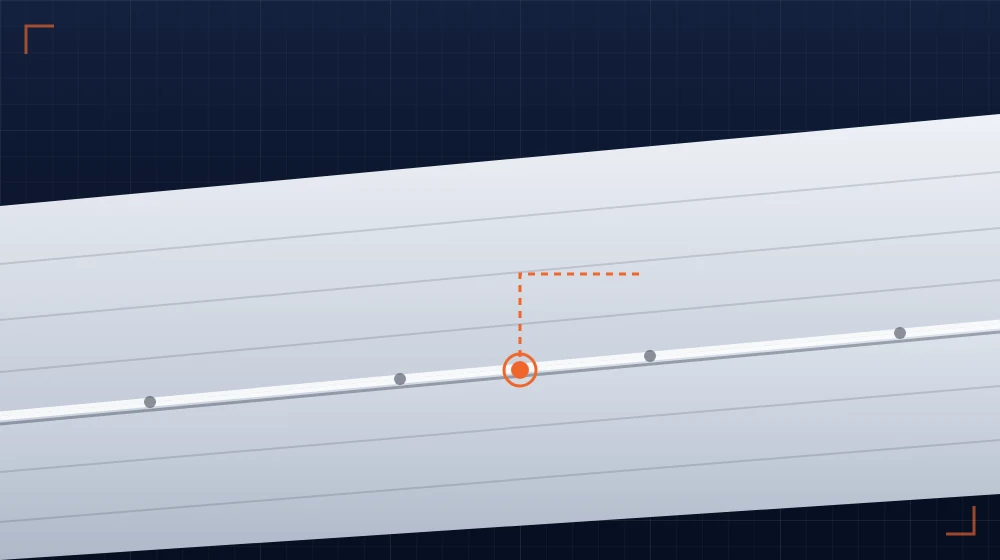
Reflective
TPO Single-Ply
A white thermoplastic sheet whose seams are hot-air welded, so the joint is effectively as strong as the membrane itself. The reflective surface cuts cooling load on large roofs, which is why it dominates warehouse and big-box work. Mechanically fastened, fully adhered or induction welded depending on the wind uplift requirement.
- Hot-air welded seams
- Reflective, reduces cooling load
- Typically 20 to 30 years
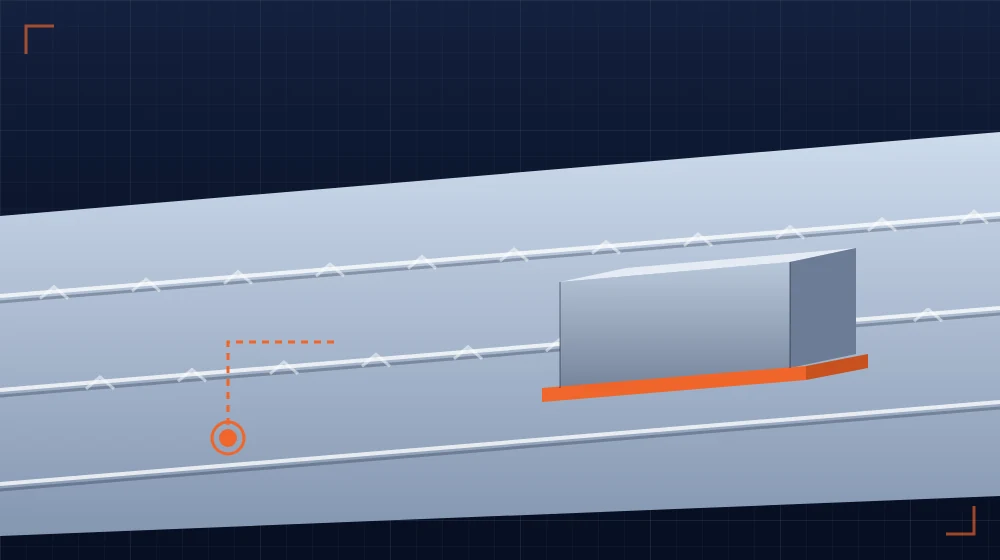
Chemical Resistant
PVC Single-Ply
Also hot-air welded, with markedly better resistance to grease, oils and chemical exhaust than TPO. That makes it the sensible pick over restaurant kitchens, food processing and any roof living downwind of an industrial extract. It also stays flexible and weldable for longer into its service life.
- Welded seams, high seam strength
- Resists grease and chemical exhaust
- Typically 20 to 30 years
Proven
EPDM Rubber
Synthetic rubber in very large sheets, which means very few seams on a big simple roof. It stays flexible through freeze-thaw, it has decades of field history in this climate, and it patches cleanly. Black absorbs heat, which is a drawback in July and an advantage in February.
- Few seams on large simple roofs
- Excellent freeze-thaw flexibility
- Typically 20 to 30 years
Multi-Ply
2-Ply Modified Bitumen
Two reinforced plies bonded into a redundant waterproofing layer. The redundancy is the point: there is a second membrane underneath the first. It takes rooftop foot traffic better than most single-ply systems, which matters where maintenance staff walk to equipment every week.
- Two-layer redundancy
- Handles regular foot traffic
- Typically 20 to 25 years

Traditional
Built-Up Tar and Gravel
Multiple bonded plies finished with gravel ballast. Heavy, long proven, and still occasionally the right call, particularly where an existing structure was designed for the load and the ballast is doing useful work against wind uplift and UV.
- Multiple bonded layers
- Ballast protects against UV and uplift
- Typically 20 to 30 years
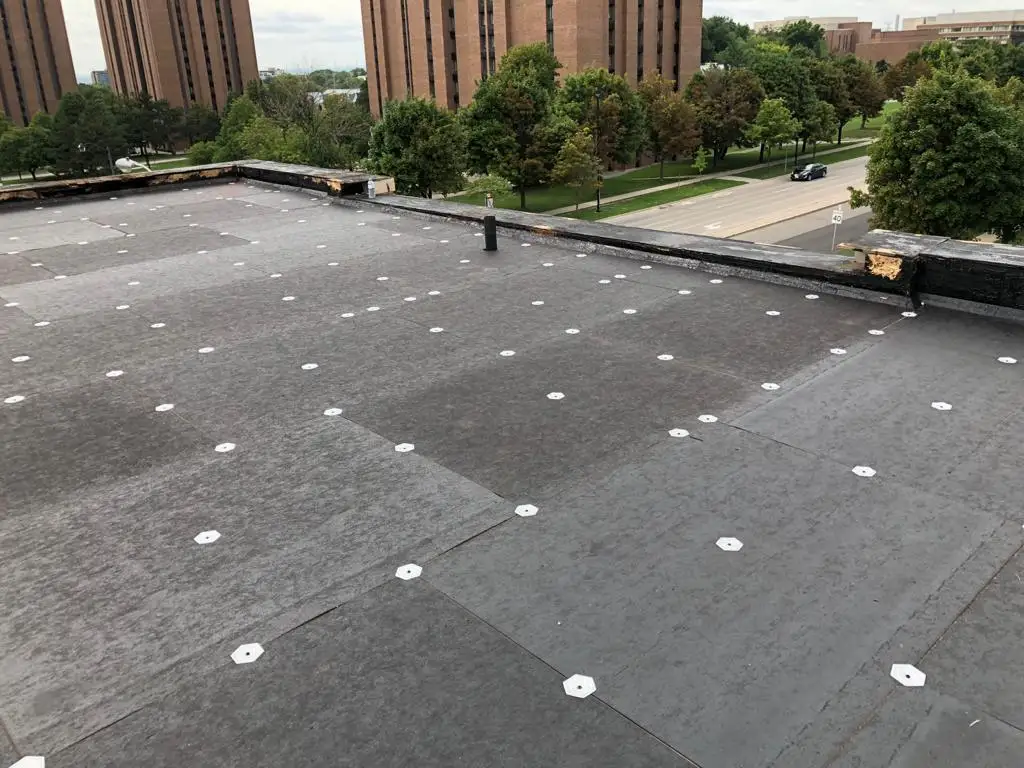
Under Every System
Tapered Insulation
Not a membrane, but frequently the thing that actually fixes the roof. Tapered polyiso built into the assembly creates fall on a dead-level deck and moves water to the drains, which is the single most effective way to stop chronic ponding without touching the structure.
- Creates fall on a level deck
- Adds R-value at the same time
How a Commercial Roof Project Runs
Five stages, with the sequencing agreed before anyone gets on the roof.
1
Survey and Assessment
We walk the roof, check the drainage, take core samples where needed and establish what is actually wet.
2
Scope and Written Quote
System recommendation, phasing plan, timeline and price. Free, in writing, no obligation.
3
Mobilisation and Protection
Access, staging and interior protection agreed with you before day one, so the building keeps operating.
4
Phased Installation
Section by section, watertight at the end of every working day, with the site cleaned down each evening.
5
Handover and Warranty
Final walkthrough, punch list closed out, and the manufacturer and workmanship warranty documents handed over.
Membrane Work on Real Roofs
Two-ply modified bitumen going down on Toronto and GTA roofs.
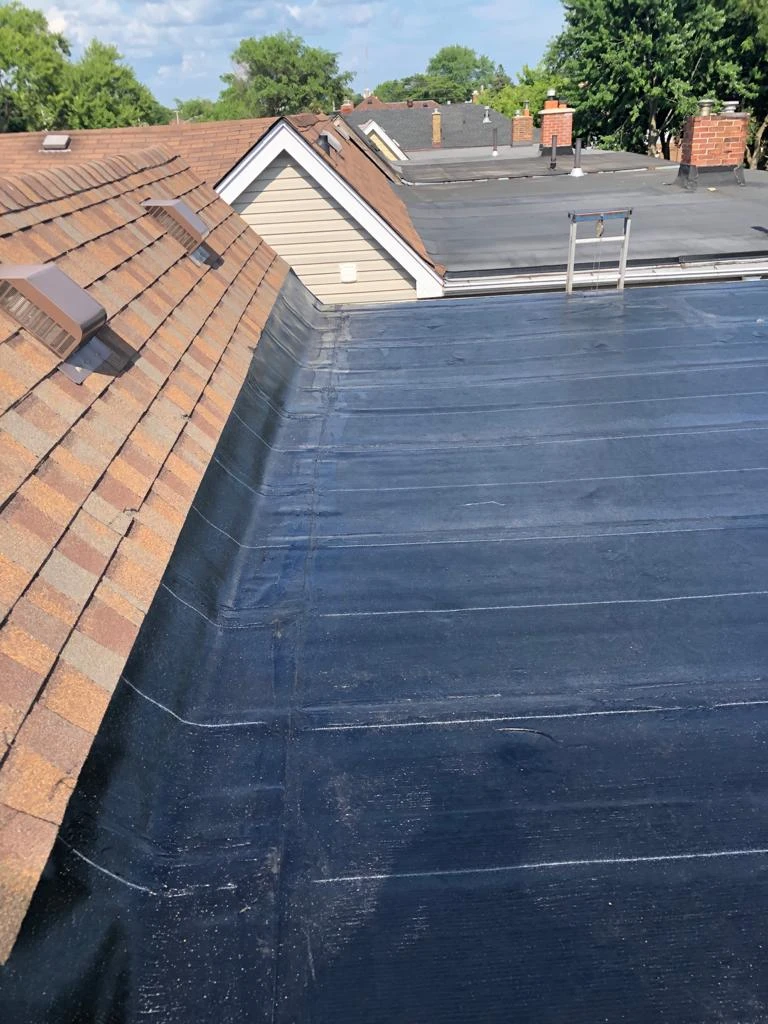
Lumbered Slope Build and Two-Ply System, Toronto
A lumbered slope framed over a flat roof deck to move water toward the drains, with a two-ply system installed over it.
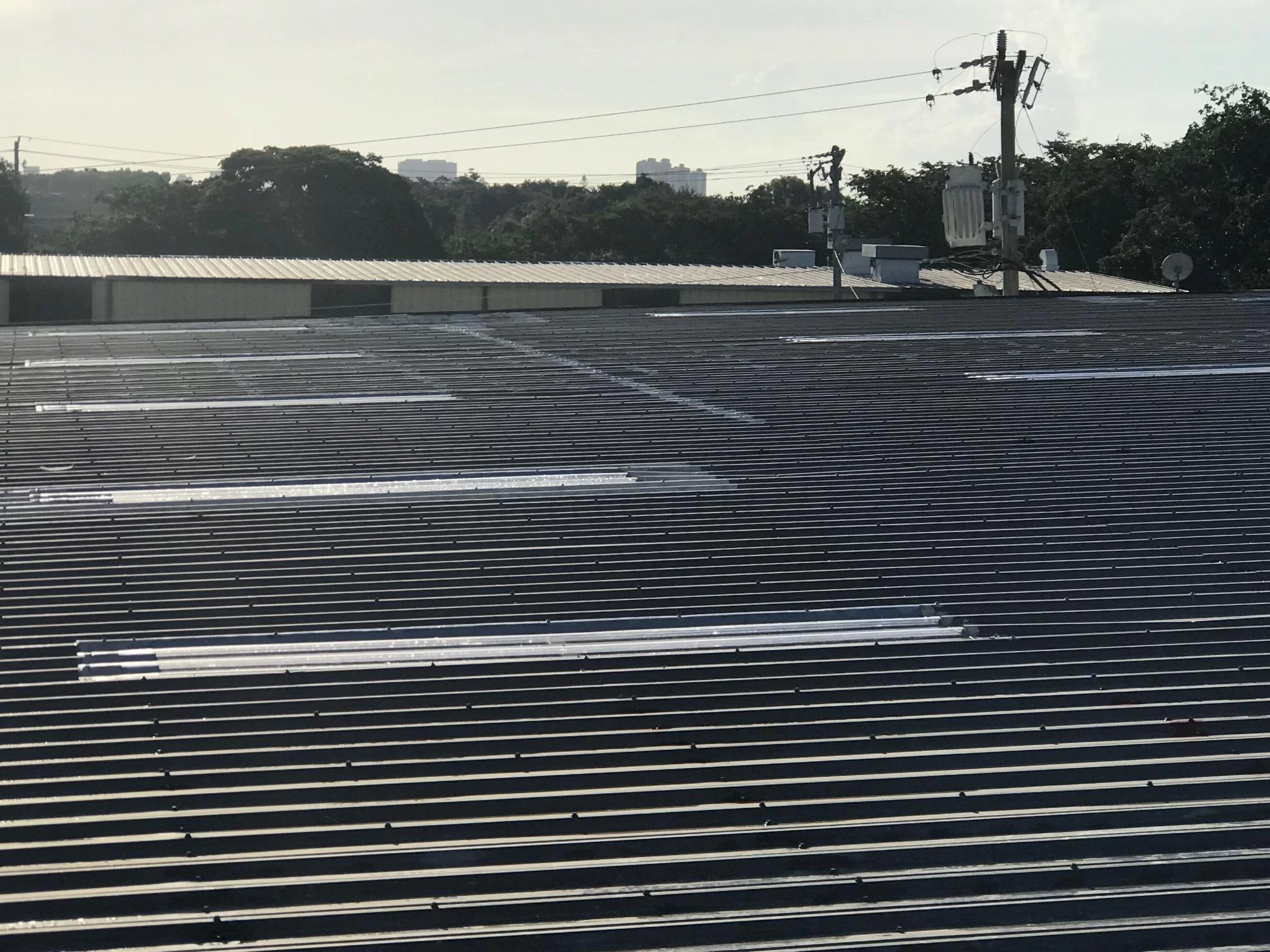
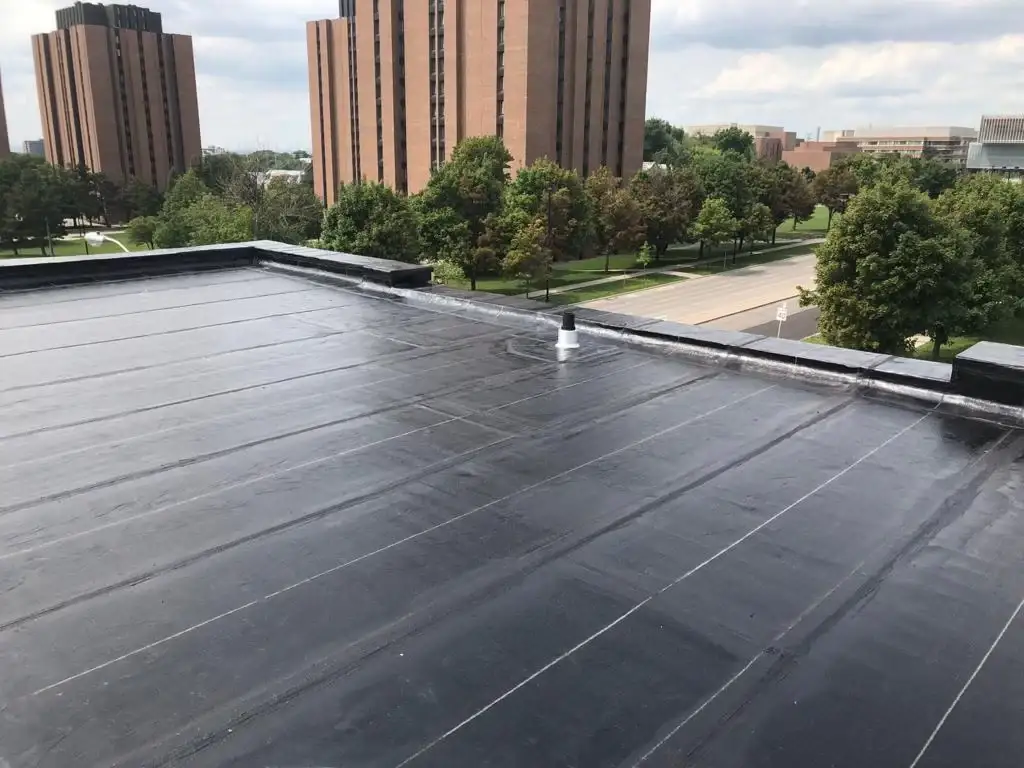
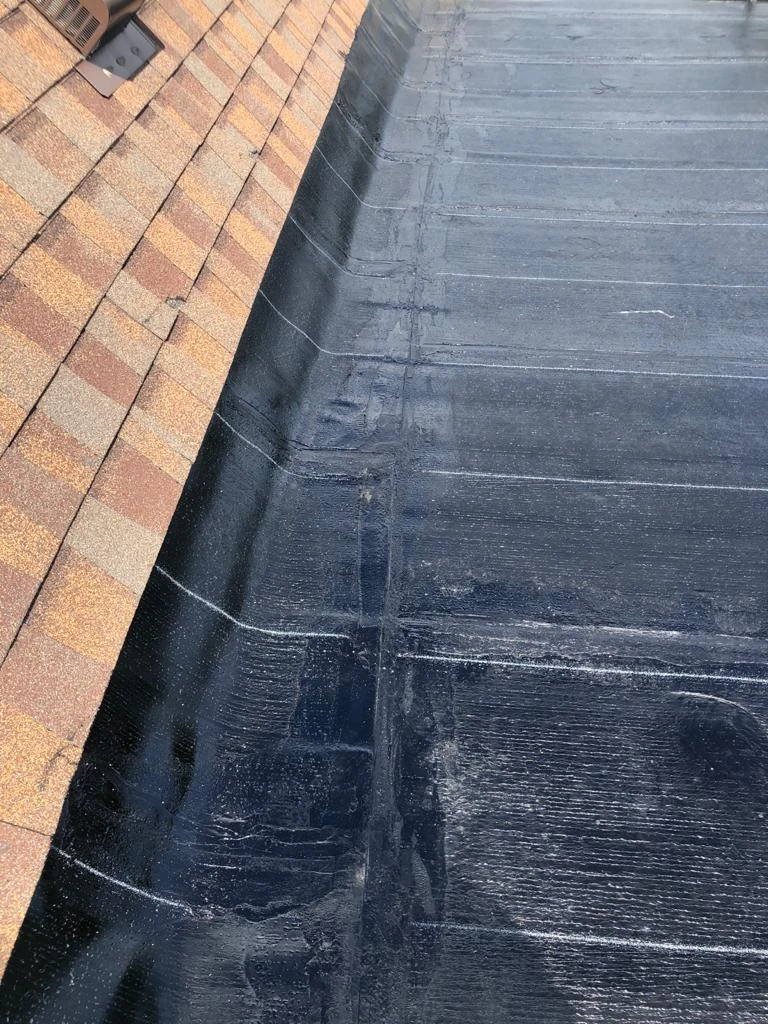
Flat Roof Application Detail, Toronto
A detail from a flat roof membrane application, showing the finished surface of the system.
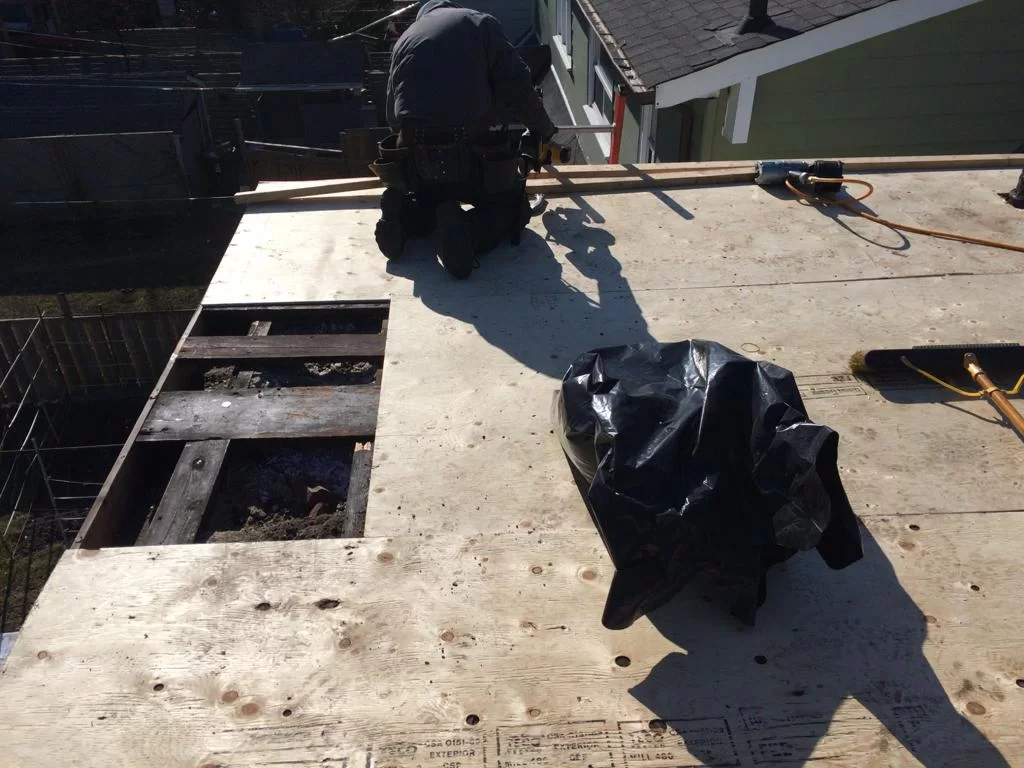
Attic Inspection and Blown-In Insulation, Toronto
Inspection of a flat roof attic space followed by blown-in insulation. The cavity is checked before any insulation is added.
What Drives Commercial Flat Roof Pricing
Commercial pricing has more variables than residential because the building itself is a variable. We survey first, then quote in writing with the phasing spelled out. These are the factors that make the biggest difference to the number.
- Area and roof geometry. Cost per square foot falls as area rises, right up until the roof is cut into sections by walls, level changes and equipment.
- Tear-off versus recover. Whether the existing assembly can stay depends on how many layers are already there and how much of the insulation is wet.
- Insulation and taper. R-value targets and a tapered design to correct drainage are frequently the largest single line on a commercial quote.
- Attachment method. Mechanically fastened, fully adhered and induction welded all price differently, and wind uplift requirements at corners and perimeters drive that choice.
- Rooftop equipment. Every unit, curb, duct, conduit run and support has to be worked around, flashed and made good. Equipment density is a bigger cost driver than most owners expect.
- Access and occupancy. Crane or hoist requirements, restricted working hours, night or weekend work, and phasing around tenants all carry real cost.
Every commercial quote we give is free, in writing and carries no obligation, and it sets out the phasing as well as the price so you can see what each stage means for the building.
Commercial Flat Roofing Questions
What property managers and building owners ask us before awarding the work.
Can you re-roof while the building stays open?
Yes, and on most commercial jobs that is the requirement rather than the exception. We phase the work in sections, take on only as much roof as we can make watertight before the end of the working day, protect the interior underneath, and agree access routes and working hours with you in advance. The phasing plan is part of the written quote.
How do I know if the insulation under my roof is wet?
Core samples. We cut small test cores through the assembly, look at the insulation and the deck, and patch the cores properly afterwards. It is the only way to know for certain, and it is the difference between a recover that lasts and a recover that traps water. Infrared surveys can narrow down where to core, but the core is what confirms it.
Which membrane should I use on a warehouse?
TPO is the most common answer for large simple roofs, mainly because the reflective surface cuts summer cooling load across a big area and the welded seams are strong. If the roof lives under kitchen or industrial exhaust, PVC is the better choice for chemical resistance. If the roof gets heavy weekly foot traffic to equipment, a two-ply modified bitumen system takes that abuse better. We recommend after we have walked it. Our flat roofing systems guide compares all six side by side.
How long does a commercial flat roof last?
Typically 20 to 30 years for the systems we install, assuming the drainage works and the roof gets inspected. The single biggest predictor of a short life is standing water, followed by neglected flashing at curbs and penetrations. A roof that gets walked twice a year and has its drains cleared reliably outlasts an identical roof that does not.
Do you handle emergency commercial repairs?
Yes. We run 24/7 emergency flat roof repair across Toronto and the GTA, which on a commercial building usually means getting the water stopped and the interior protected first, then coming back to do the permanent repair properly once the weather allows.
What warranties do we get?
Manufacturer warranties on the roofing materials and system, and our workmanship warranty on the installation. They are separate documents covering separate failures, and both are handed over at project close-out along with the final walkthrough.
Areas We Cover
Toronto and out through the GTA. Open the plan to find your area, or call and ask about somewhere we have not named.
Select a region on the plan
Free, No Obligation
Request a Free Quote
Tell us what the roof is doing and we will come and look at it. No charge, and no obligation to proceed.
Call Us
Office Hours
Open 7 days a week: 7:00am to 11:30pm
Emergencies
The line above is answered 24/7 for anything that cannot wait, including weekends and statutory holidays.
Related Flat Roofing Services
Three more places our crews spend their time. Every one of them touches the same roof.
Google Reviews
Commercial Flat Roofing Reviews
These come straight from our Google Business Profile. We cannot edit them, reorder them or take one down, and the rating in the header is whatever Google is showing today.



Free, No Obligation
Book a Commercial Roof Survey
We will walk the roof, core it where it matters and give you a written scope with the phasing worked out. Free, and with no obligation.