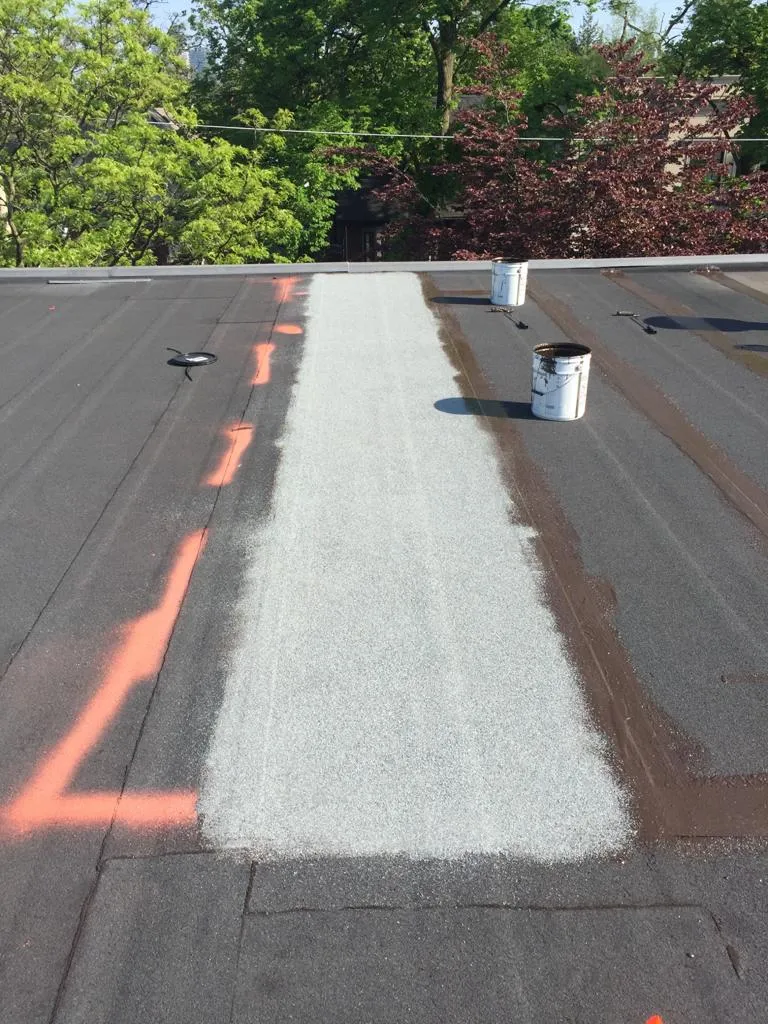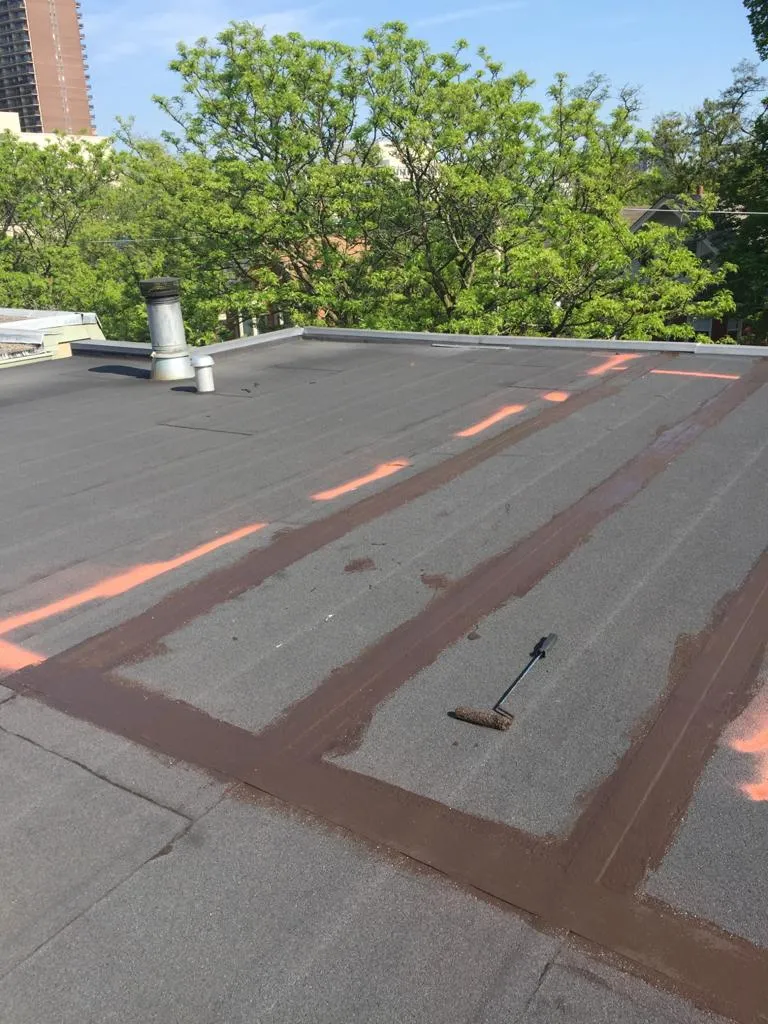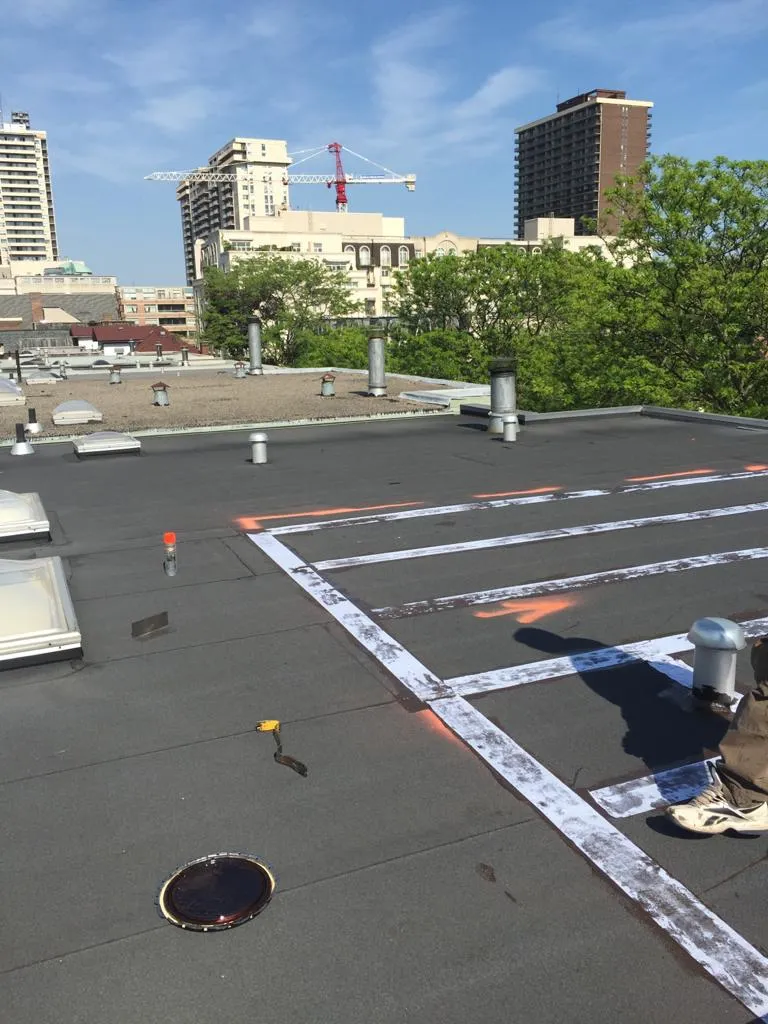

Over the past decade, the architectural skyline of the Greater Toronto Area has experienced a massive, undeniable revolution in flat roofing materials. The incredibly heavy, highly toxic, incredibly dangerous hot-asphalt Tar and Gravel systems that dominated the 20th century have been almost entirely eradicated. In their place stands the absolute, undisputed champion of modern commercial and luxury residential waterproofing: Thermoplastic Polyolefin, universally known as TPO. This brilliantly white, highly reflective, single-ply rubber membrane now commands over 50% of the entire commercial roofing market. However, simply purchasing a highly expensive roll of TPO does not guarantee a watertight building. The absolute survival of the massive membrane relies entirely on the incredibly rigorous, highly scientific installation protocol executed by elite, specialized commercial tradesmen. A single microscopic error during the heat-welding phase guarantees a catastrophic, multi-million dollar structural flood. Flat Roofs Toronto operates the most rigorously trained TPO installation division in the province. This exhaustive 2026 engineering guide dissects the exact, step-by-step mechanics of a flawless TPO roof installation Toronto commercial properties demand, exposing the massive dangers of the tear-off phase, the absolute necessity of rigid foam insulation, and the flawless physics of robotic molecular bonding.
Phase 1: The Violent Structural Tear-Off
Unless an advanced infrared thermal drone scan explicitly proves that the existing roof insulation is 100% bone dry (allowing for a roof-over overlay), the installation of a massive new TPO membrane absolutely must begin with a complete, incredibly violent structural tear-off. This is not a gentle renovation; it is a massive, heavy-machinery demolition project.
Elite commercial roofing crews arrive at dawn and deploy massive, specialized roofing tear-off machines (often called “Roof Warriors”). These heavy, motorized machines violently rip the old, incredibly heavy Tar and Gravel or dying EPDM rubber into massive, manageable chunks. The crew then violently shovels thousands of pounds of this highly toxic, saturated debris into massive industrial dumpsters craned directly to the roof edge. The ultimate objective is to strip the massive commercial facility entirely down to the bare structural steel or concrete deck.
Once the bare deck is exposed, the massive, highly critical structural audit begins. The master technicians aggressively inspect the heavy corrugated steel decking. If decades of hidden leaks have caused massive sections of the steel to violently rust and rot, those sections are immediately cut out and replaced with heavy-duty structural steel plates. Dropping a brand new TPO roof over a rotting steel deck guarantees a massive, terrifying roof collapse during the first heavy Toronto winter snowstorm.
| Demolition Phase | The Critical Structural Action | The Consequence of Neglect |
|---|---|---|
| Heavy Machinery Tear-Off | Violently stripping the massive old roof down to the bare steel or concrete. | Failing to remove soaked insulation traps thousands of gallons of water under the new roof. |
| Steel Deck Rust Inspection | Aggressively probing the corrugated steel for catastrophic hidden rot. | Ignoring rusted steel guarantees a violent, sudden roof collapse under heavy winter snow. |
| Debris Evacuation | Using heavy cranes to safely lower massive bins of toxic roofing waste. | Leaving sharp, heavy debris on the deck instantly punctures the new TPO rubber from below. |
| Phased Daily Demolition | Only tearing off the exact square footage that can be sealed that same day. | Leaving the bare roof exposed overnight guarantees a massive interior flood if a storm hits. |
Phase 2: The Thermodynamic Insulation Shield
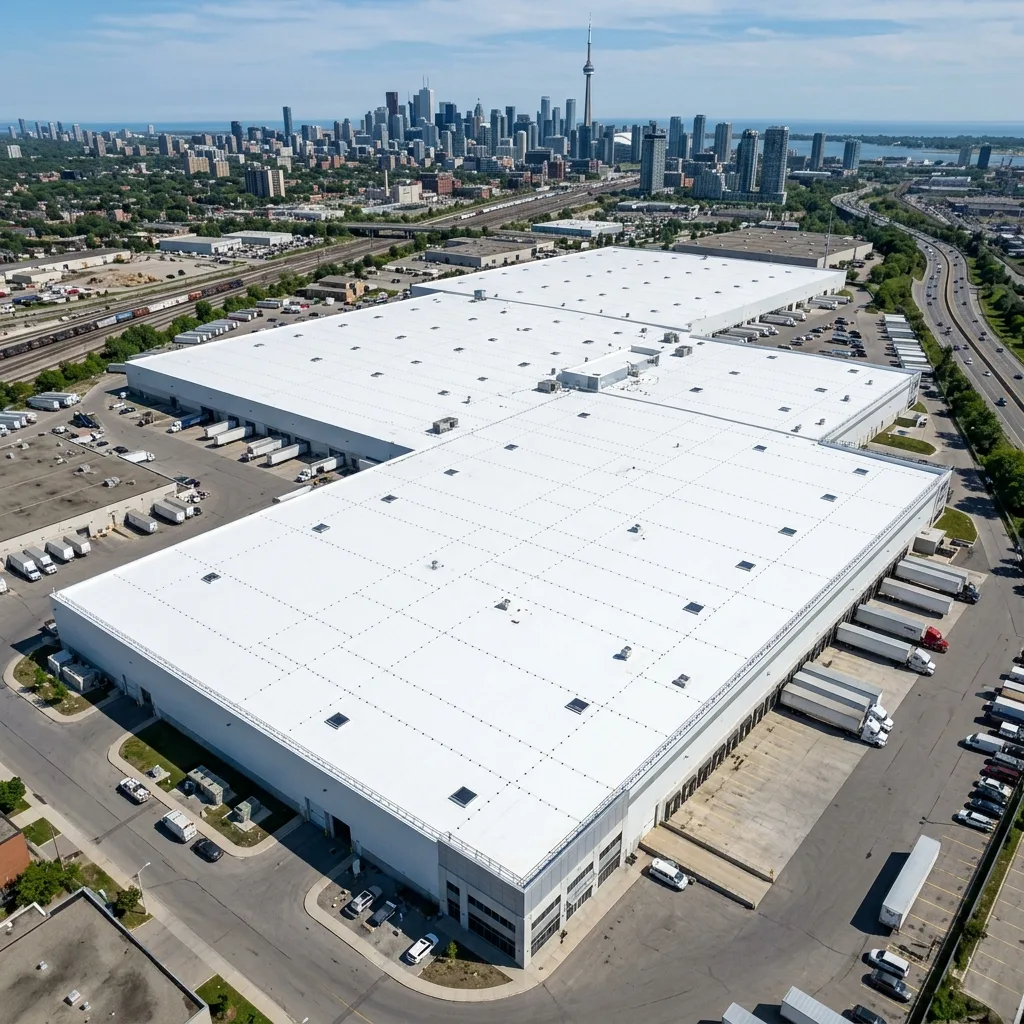
The bare steel deck of a massive warehouse possesses absolutely zero thermal resistance. To comply with the incredibly strict 2026 Ontario Building Code mandates for massive energy efficiency, the crew must build a highly advanced thermodynamic shield before the rubber can be installed.
This is achieved by deploying massive, incredibly thick boards of rigid Polyiso (Polyisocyanurate) insulation. The technicians lay down a highly complex geometric puzzle of these massive foam boards across the entire 50,000 square foot deck. To ensure the massive foam does not blow off the roof during a 100 km/h Toronto windstorm, the crew utilizes heavy-duty commercial screw guns to violently drive thousands of massive steel plates and incredibly long structural screws directly through the thick foam and deeply into the heavy steel deck below.
If the massive flat roof suffers from severe ponding water, the crew will deploy “Tapered Polyiso.” These highly specialized foam boards are manufactured with a precise, aggressive angle. When fully assembled, the massive foam layer artificially creates a perfect, highly aggressive slope across the entire flat deck, mathematically forcing every single drop of rainwater to flow violently toward the massive interior drains, completely eradicating the threat of standing water.
Phase 3: The Membrane Rollout and Attachment
With the massive thermodynamic shield fully secured, the crew hoists incredibly heavy, 10-foot wide rolls of brilliant white TPO membrane onto the massive roof. There are two elite methods for attaching this massive rubber sheet to the building, entirely dependent on the specific architectural demands of the commercial facility.
The Mechanically Fastened System
This is the incredibly fast, highly dominant standard for massive commercial warehouses. The crew rolls out a massive 10-foot wide sheet of TPO. Along one edge of the sheet, they violently drive thousands of heavy steel screws and massive barbed plates straight through the rubber, through the thick insulation, and directly into the structural steel deck. They then roll out the next massive sheet of TPO so that it overlaps the massive row of screws by 6 inches. The overlapping seam is then permanently heat-welded, completely hiding the massive steel fasteners beneath a flawless, waterproof rubber seal. It provides incredible, massive resistance against violent wind uplift.
The Fully Adhered System
For ultra-luxury modern custom homes or commercial buildings with massive concrete decks where screws cannot easily penetrate, we deploy the fully adhered system. The crew violently rolls highly aggressive, incredibly sticky commercial contact adhesive over both the massive foam insulation and the bottom of the TPO rubber. When the glue flashes off (dries slightly), they carefully roll the massive TPO sheet onto the foam. The two glued surfaces violently bond together instantly, creating a flawless, totally flat, stunningly aesthetic installation with absolutely zero massive steel fasteners penetrating the rubber.
| Attachment Methodology | The Engineering Mechanism | The Optimal Architectural Deployment |
|---|---|---|
| Mechanically Fastened TPO | Massive screws and plates driven through the seam into the steel deck. | Sprawling commercial warehouses and massive industrial distribution centers. |
| Fully Adhered TPO (Glued) | Aggressive contact adhesive violently bonds the entire massive sheet to the deck. | Ultra-modern custom residential homes and heavy concrete commercial decks. |
| Induction Welded (RhinoBond) | TPO is electromagnetically melted to special coated plates beneath the rubber. | Massive high-wind zones where incredible, aggressive uplift resistance is legally mandated. |
| Ballasted System | The membrane is laid loose and held down by thousands of pounds of heavy river rock. | Highly obsolete. The massive crushing weight is generally rejected in modern engineering. |
Phase 4: The Physics of Robotic Molecular Bonding
The absolute defining moment of a massive TPO roof installation Toronto project is the execution of the seams. TPO absolutely cannot be glued together; chemical adhesives will violently fail under the massive thermal stress of a Toronto winter. TPO must be permanently, molecularly bonded.
Elite commercial technicians deploy incredibly expensive, highly advanced robotic hot-air welding machines. The technician perfectly aligns the robot along the 6-inch overlapping seam of the two massive TPO sheets. As the heavy robot slowly drives forward, it violently blasts incredibly precise 1000°F (538°C) hot air directly between the two sheets. This intense, searing heat instantly liquefies the top molecular layer of the bottom sheet and the bottom molecular layer of the top sheet. A heavy silicone pressure roller on the back of the robot immediately crushes the molten plastic together. Within exactly 3 seconds, the plastic cools and permanently, violently fuses into a single, massive, continuous piece of rubber. In rigorous engineering pull-tests, the massive TPO field membrane will actually tear in half before the robotic heat-welded seam ever fails. It is the absolute pinnacle of invincible waterproofing technology.
Phase 5: Flashings and Detail Fortification
The massive flat field of the roof is incredibly easy to seal. The true, terrifying complexity of the installation lies at the massive perimeter parapet walls, the heavy HVAC curbs, and the intricate plumbing vent stacks. These massive “penetrations” are where 95% of all catastrophic commercial leaks originate.
Master technicians must hand-weld highly complex, customized pieces of “unreinforced” TPO detailing rubber around every single massive pipe. For the massive parapet walls, the TPO membrane is aggressively run up the vertical face of the wall and violently locked into place using massive custom-bent sheet metal counterflashing. Furthermore, if the massive roof features massive commercial skylights, the TPO must be meticulously, flawlessly welded entirely up the vertical sides of the elevated wooden curbs, guaranteeing that even if the roof floods with 6 inches of standing water, the water physically cannot bypass the invincible rubber armor.
Additionally, the integration of pitch pockets (the metal boxes surrounding heavy AC wire bundles) demands absolute precision. The massive TPO membrane is tightly welded around the base of the metal box, and the interior is aggressively filled with a highly advanced, pourable two-part polyurethane sealant. This massive sealant block violently cures into a solid rubber mass, permanently eliminating any possibility of water tracking down the heavy electrical conduits and into the sensitive commercial server room below. This meticulous, elite dedication to custom-welded flashings is what truly separates a catastrophic amateur installation from a master-crafted, invincible TPO flat roof.
| Highly Vulnerable Detail | The Standard Amateur Failure | The Elite TPO Welding Solution |
|---|---|---|
| Round Plumbing Vent Pipes | Smearing a massive tube of cheap silicone caulking around the heavy pipe. | Hand-welding a highly customized, unreinforced TPO target patch to flawlessly seal the pipe. |
| The 90-Degree Wall Corner | The tight rubber violently shrinks and punctures during a deep winter freeze. | Installing heavy Cant Strips and aggressively welding reinforced inside/outside corner patches. |
| Heavy HVAC Metal Curbs | Relying on cheap pitch pockets that violently dry out in the searing sun. | Wrapping the heavy TPO completely up the massive metal curb and heat-welding every seam. |
| Massive Parapet Top Edges | Nailing the rubber to the top of the wall and leaving it exposed to violent wind. | Locking the rubber down with incredibly heavy, custom-fabricated 24-gauge metal Coping Caps. |
Why is TPO so incredibly dominant in the massive TPO roof installation Toronto commercial market?
What violently happens if the crew forgets to do an infrared scan and installs new TPO over soaking wet insulation?
How does a massive robotic hot-air welder permanently fuse the heavy TPO rubber seams together?
What is a “Mechanically Fastened” TPO system, and why is it used on massive commercial warehouses?
Why can’t you just use cheap chemical glue to stick the massive TPO sheets together like an old rubber roof?
If my commercial roof starts violently leaking at 2:00 AM during a massive January blizzard, can you repair TPO?
Schedule Your Elite TPO Engineering Consultation Today
Do not gamble the massive structural integrity of your sprawling commercial facility or luxury modern home on amateur installations. Elite single-ply waterproofing demands incredibly advanced robotics and uncompromising structural diagnostics.
Call us today at (647) 333-3528 or request a comprehensive TPO installation proposal to discover how molecularly bonded, heat-welded thermodynamics can permanently secure your massive property investment.
Flat Roofs Toronto has been the elite, highly technical authority for massive commercial flat roof installations, precise TPO heat-welding, and absolute structural waterproofing across the Greater Toronto Area for decades. From precision robotic bonding to invincible wind-uplift engineering, our master craftsmen deliver uncompromising durability and absolute architectural perfection.