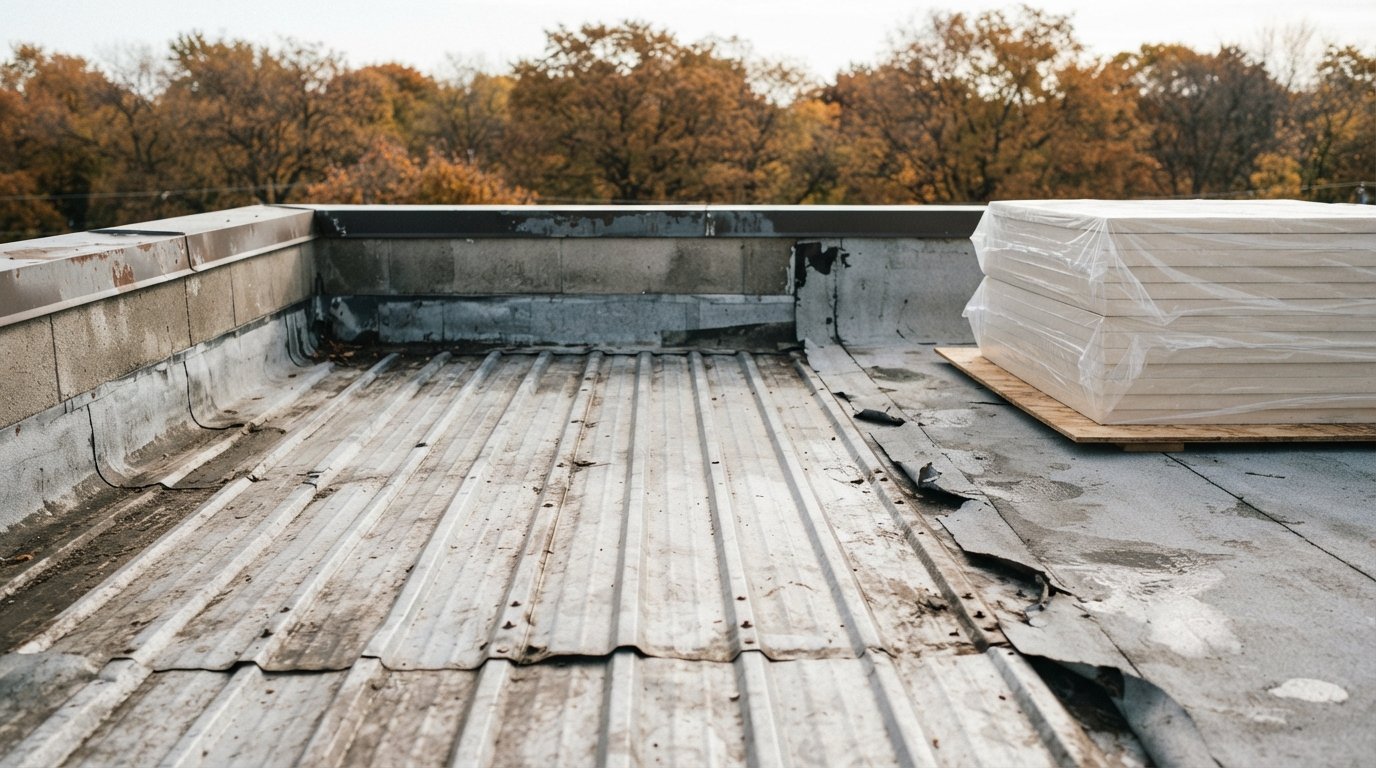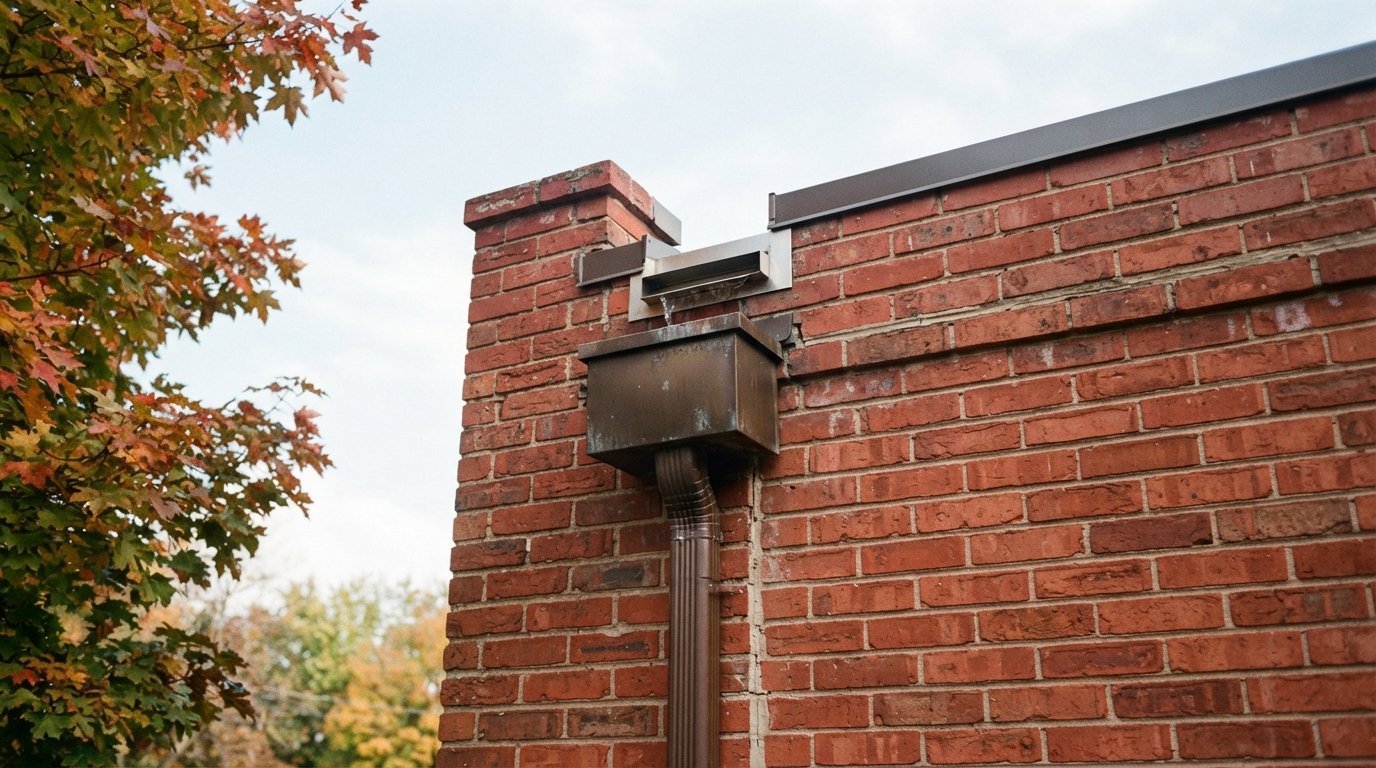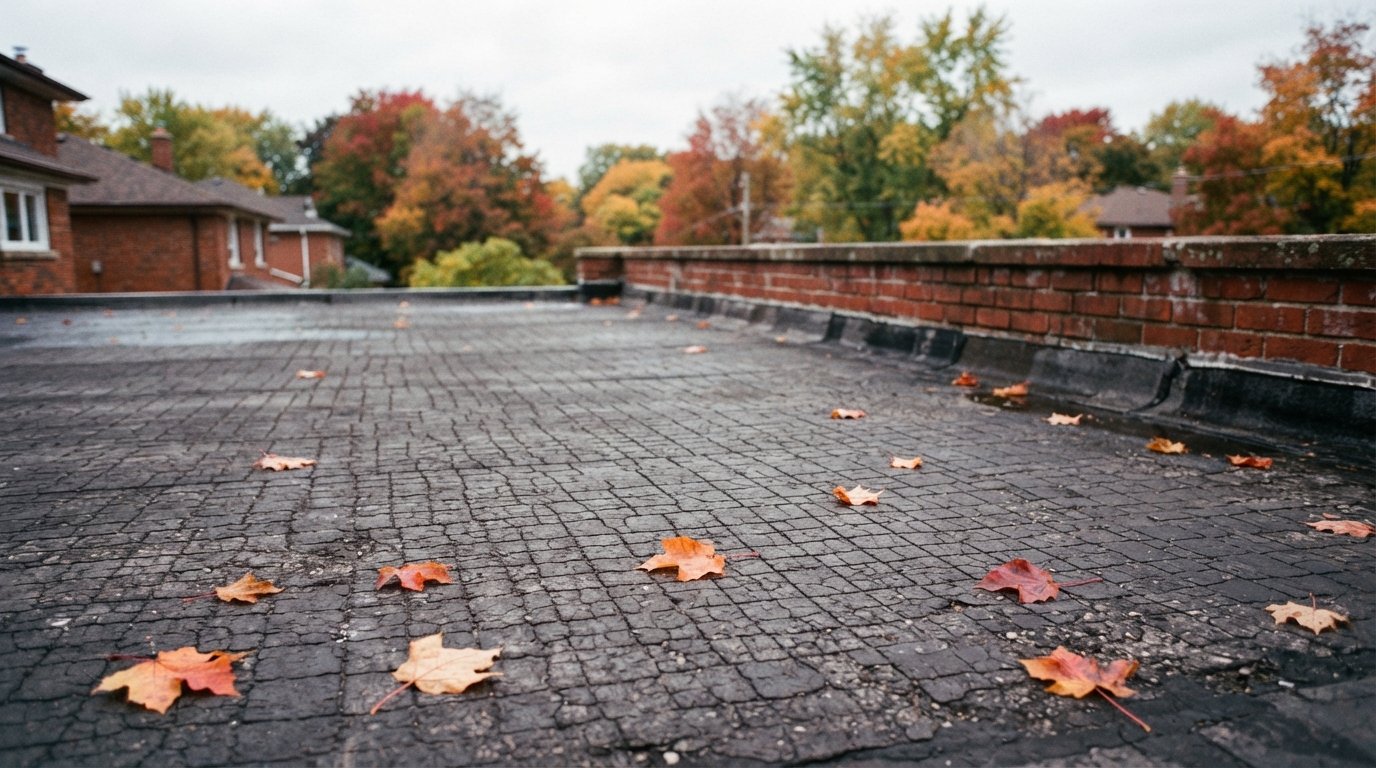

Unlike sloped residential shingle roofs, flat roofs defy gravity. They do not rely on a steep pitch to rapidly shed massive volumes of water; instead, they function as a continuous, waterproof swimming pool liner stretched aggressively across the top of your building. In the dense urban grid of the Greater Toronto Area, spanning high-rise condos, sprawling commercial plazas, and million-dollar custom modern homes, flat roofs are the undisputed architectural standard. However, this engineering marvel is in a constant state of war against the brutal, unforgiving Canadian climate. Flat Roofs Toronto has acted as the premier diagnostician for catastrophic membrane failures across the GTA for decades. This authoritative 2026 guide forensically dissects the most devastating flat roof problems, exposes the hidden thermal enemies destroying your membrane, and provides the exact economic calculations you need to determine if a targeted repair is viable, or if the system requires total replacement.
The 2026 Economics of Flat Roof Intervention
Determining the financial cost of a flat roof failure requires an aggressive assessment of the membrane type and the hidden damage inflicted upon the heavy structural insulation below. Here are the realistic metrics for GTA properties:
| Symptom of Failure | Structural Implication & Root Cause | Estimated Repair/Replacement Cost |
|---|---|---|
| Isolated Active Leak | A targeted puncture, minor seam failure, or degraded HVAC penetration. | $400 to $1,800 |
| Chronic Ponding Water (48+ hours) | Crushed underlying insulation or severe structural joist sagging altering the pitch. | $1,500 to $4,500+ (Tapered ISO insulation required) |
| Massive Surface Blistering | Moisture trapped eternally between the ply layers, vaporizing into expanding gas when heated. | $500 to $1,500 (per major section cut-out) |
| Catastrophic Seam Splitting | Extreme thermal shock causing the membrane to violently shrink and pull itself apart. | $800 to $3,000 |
| Failed Perimeter Flashing | Metal drip edges expanding and tearing the membrane away from the parapet wall. | $500 to $2,500 |
| Widespread Alligator Cracking | Total UV degradation of an ancient tar/bitumen system. Nearing systemic collapse. | Requires Full Replacement |
| Complete System Replacement | When the insulation matrix is entirely saturated, exceeding 30% of the total roof area. | $12,000 to $45,000+ (Depends aggressively on square footage) |
The Brutal Physics: How Toronto Destroys Flat Roofs
The climate of Southern Ontario subjects exterior building materials to physical stresses rarely seen in other global regions. Your flat roof is enduring a daily, relentless assault.
1. The Lethal Freeze-Thaw Cycle
Toronto does not just get cold and stay cold; it fluctuates violently. The city endures an astonishing 40 to 60 distinct “freeze-thaw” cycles every single winter. During the day, the black membrane absorbs solar radiation, melting heavy snow into deep pools of water. This water instinctively searches for microscopic cracks around drains or skylights. When the sun sets and the temperature violently plunges to -15°C, that trapped water freezes solid. Water expands by 9% when freezing. It acts as a microscopic jackhammer, explosively widening the seam. This daily repetition literally tears the roof apart at the molecular level, guaranteeing massive spring leaks.
2. Extreme Thermal Shock and UV Degradation
In July, an unshaded black Modified Bitumen roof in downtown Toronto can reach blistering surface temperatures exceeding 80°C (176°F). A sudden afternoon thunderstorm sweeps off Lake Ontario, dropping icy rain onto the super-heated surface. The membrane violently and instantaneously contracts. This massive “thermal shock” eventually snaps the reinforced fiberglass completely. Furthermore, decades of intense UV radiation slowly bake the volatile, flexible oils directly out of asphalt-based roofs, turning them into rigid, brittle crackers that shatter under heavy foot traffic.
3. The Terror of Ice Dams on Flat Edges
Ice dams are not exclusive to sloped roofs. If the internal drains (scuppers) become clogged with frozen leaves, or the perimeter drip edge freezes over, a massive wall of solid ice forms. This dam forcefully holds an ocean of melting snow directly on the roof deck. The immense sheer weight of 6 inches of standing water, approaching 31 pounds per square foot, can aggressively push flat roofs far beyond their engineered structural load limits, leading to catastrophic ceiling collapse.
The Repair vs. Replacement Threshold Matrix
Contractors who immediately demand a full roof replacement the moment they spot a leak are financially exploiting you. However, relentlessly patching a dead roof is equally foolish. At Flat Roofs Toronto, we utilize strict mathematical thresholds to advise clients.
When to Surgically Repair:
- Age Factor: The membrane (TPO, EPDM, or Bitumen) is under 15 years old and retains its core flexibility.
- Isolation: The leak is highly focused around a specific, identifiable puncture (e.g. dropped tools by an HVAC technician) or a single degraded plumbing vent flashing.
- Insulation Integrity: Core samples prove the incredibly expensive Polyisocyanurate (ISO) insulation boards beneath the membrane remain completely bone-dry.
When Full Replacement is Unavoidable:
- The 30% Saturation Rule: We deploy advanced infrared thermal imaging drones. If the infrared scan proves that more than 30% of the underlying insulation matrix is completely saturated with trapped water, repairing the membrane is useless. Wet insulation possesses zero R-value and will aggressively rot the structural steel or wood decking away from the inside out.
- Chronic Systemic Failure: The seams are splitting across the entire expanse, not just in one corner. This indicates the membrane has physically shrunk to its maximum limit and is tearing itself apart.
- The Economic Tipping Point: If a quoted repair exceeds 30% to 40% of the total cost of a brand new, fully warrantied roof replacement, pulling the trigger on a new roof is the only mathematically sound long-term decision.
Advanced Methods of Emergency Intervention
If water is actively pouring into your commercial warehouse or custom living room, immediate emergency roof repair is commanded. Do not attempt to climb onto a wet, icy flat roof, you will slip off the unprotected perimeter. Professional emergency crews deploy rapidly:
- Heavy Tarping & Drainage: Crews will aggressively pump the standing water off the roof and deploy massive, weighted waterproof tarpaulins over the suspected failure zone to temporarily halt water intrusion.
- Heat-Welded Patching (TPO/PVC): For advanced single-ply membranes, technicians use specialized 1,000°F robotic hot-air welders to literally melt a new, impenetrable patch of identical membrane directly into the damaged area, fusing them into a single molecular sheet.
- Mastic and Torch Repair (Bitumen): On older tar roofs, crews will cut away the massive blisters, dry the void with heavy blowtorches, and aggressively trowel heavy-duty rubberized asphalt mastic into the wound, sealing it with a fresh cap sheet.
The Absolute Necessity of Preventative Maintenance
A flat roof requires maintenance exactly like a luxury vehicle. Ignoring it guarantees premature death. You must execute an aggressive, bi-annual inspection protocol (Spring and Fall). Ensure all internal drain baskets are completely free of organic compost. Verify that technicians servicing rooftop HVAC units have not dropped sharp screws onto the rubber membrane. Have a professional visually inspect the heavy metal coping cap flashing along the parapet walls to ensure the sealant has not dried and cracked.
Do not allow a minor $500 seam repair to morph into a catastrophic $30,000 structural decking collapse. Contact Flat Roofs Toronto today to arrange a fully documented structural and thermal inspection. We protect luxury residences and commercial assets across Toronto, Mississauga, Markham, Vaughan, and the entire GTA.